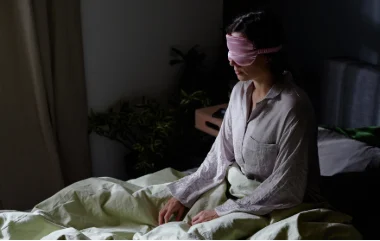












For millions of Americans, the transition from wakefulness to slumber is no longer a natural biological process but a battleground. As the pressures of modern life intensify, the elusive nature of a "good night’s rest" has become a pervasive public health concern. Recent data from the Centers for Disease Control and Prevention (CDC) paints a startling picture: nearly 13% of U.S. adults now rely on some form of sleep aid—be it prescription medication, over-the-counter (OTC) supplements, or the rapidly growing category of cannabis and CBD products—on a near-daily basis.
While the widespread use of these aids signals a desperate search for relief, medical experts are sounding the alarm. The reliance on chemical interventions, particularly as public perception of marijuana shifts, creates a complex landscape of risks, misconceptions, and unproven benefits that could be doing more harm than good.
The State of American Sleep: A Statistical Overview
The reliance on sleep aids is not merely a lifestyle choice; it is a symptom of a systemic inability to achieve restorative rest. According to the latest CDC findings, over 30% of American adults consistently fail to hit the recommended seven-hour minimum for sleep. This chronic deprivation is linked to an array of health issues, including cardiovascular disease, metabolic disorders, and cognitive decline.
The Demographics of Exhaustion
Data indicates that gender plays a significant role in how sleep aids are utilized. Women are statistically more likely to seek pharmacological assistance for sleep than men. However, when it comes to the consumption of marijuana and CBD, the gender gap narrows significantly, suggesting that the normalization of cannabis is transcending traditional demographics.
The trend is particularly pronounced among younger and middle-aged cohorts. A recent survey by the American Academy of Sleep Medicine (AASM) revealed that adults aged 25 to 44 are the most likely demographic to report a perceived benefit from using marijuana for sleep. This generation, often characterized by high-stress environments and digital saturation, is turning toward alternative substances in record numbers, often bypassing traditional medical channels in the process.
A Chronology of the Cannabis Trend
The integration of marijuana into the nightly routine is a relatively recent phenomenon, fueled by a wave of state-level legalizations and an evolving cultural narrative that markets cannabis as a "natural" wellness product.
- Early 2010s: As medical marijuana legislation began to spread across the U.S., early anecdotal reports surfaced regarding its sedative properties.
- 2018–2020: The widespread availability of CBD products and the normalization of recreational use in several states led to a surge in consumer interest, often outpacing clinical research.
- 2024–2025: The CDC and AASM released comprehensive analyses indicating that marijuana has transitioned from a niche alternative to a mainstream sleep aid, despite a lack of clinical consensus on its long-term efficacy or safety.
This rapid adoption has created a "clinical lag," where the behavior of the public has moved faster than the scientific community’s ability to validate the practice.
The "Multifaceted" Reality: Why Science Remains Skeptical
The primary challenge in evaluating marijuana as a sleep aid lies in its complex chemistry. Cannabis contains hundreds of compounds, including THC and CBD, which interact with the human endocannabinoid system in ways that are not yet fully understood by sleep scientists.
The Conflict of Evidence
Research into cannabis and sleep is inherently contradictory. Some studies suggest that certain cannabinoids may help reduce the time it takes to fall asleep (sleep latency). However, other clinical trials indicate that while a patient might fall asleep faster, the quality of that sleep is often degraded. Specifically, chronic use has been linked to a reduction in REM sleep—the stage of the sleep cycle critical for memory consolidation and emotional regulation.
The Psychological Component
Perhaps the most revealing finding from recent pilot studies is the "expectancy effect." Researchers discovered that individuals who strongly believe in the sleep-promoting properties of cannabis often overestimate the duration and quality of their sleep. In these instances, the perceived benefit is more psychological than physiological. This placebo effect creates a dangerous cycle where users feel they are resting better, while their bodies are not actually reaping the physiological benefits of restorative sleep.
The Hidden Costs: Health Risks and Trade-offs
The normalization of sleep aids comes with a significant caveat: the potential for long-term health consequences. Medical professionals point to several alarming associations:
- Dependence and Tolerance: Regular use of sleep aids—including both pharmaceuticals and cannabis—can lead to physiological dependence. Over time, the body builds a tolerance, requiring higher doses to achieve the same sedative effect, which significantly increases the risk of adverse reactions.
- Cognitive Impairment: Chronic use of sleep-altering substances is linked to "brain fog," memory issues, and a diminished ability to perform complex tasks during the day.
- Interaction Risks: Many users do not disclose their use of marijuana or OTC sleep aids to their primary care physicians. When combined with other medications—such as blood pressure pills, antidepressants, or antihistamines—these substances can lead to dangerous, sometimes life-threatening, drug interactions.
- Underlying Condition Masking: The most dangerous aspect of self-medicating is that it often masks the root cause of insomnia. Chronic sleep issues can be a sign of sleep apnea, thyroid dysfunction, or clinical anxiety. By simply "knocking themselves out," patients may be ignoring a serious, treatable medical condition.
Official Recommendations: The Shift Toward Evidence-Based Care
In light of the data, the medical establishment is urging a pivot away from quick-fix substances and toward proven, sustainable treatments. The gold standard for addressing chronic insomnia is not found in a pill bottle or a vape pen, but in Cognitive Behavioral Therapy for Insomnia (CBT-I).
What is CBT-I?
CBT-I is a structured program that helps patients identify and replace the thoughts and behaviors that cause or worsen sleep problems. Unlike sedatives, which treat the symptom, CBT-I treats the underlying cause. It has been proven in numerous clinical trials to be more effective and longer-lasting than medication, with none of the side effects associated with chemical dependency.
The Role of the Physician
Sleep specialists emphasize that patients struggling with consistent sleep issues should prioritize a consultation with a healthcare professional. "Sleep is not a luxury; it is a fundamental pillar of health," note experts at the AASM. A physician can help determine if a patient needs a sleep study to rule out disorders like sleep apnea, which require specialized interventions like CPAP therapy rather than sedatives.
Implementing Sustainable Sleep Hygiene
While clinical intervention is necessary for chronic cases, the AASM and other health organizations advocate for "sleep hygiene" as the first line of defense for the general public. These evidence-based habits include:
- Consistency: Maintaining a strict sleep schedule, going to bed and waking up at the same time every day, including weekends.
- Environment: Creating a "sleep sanctuary"—a cool, dark, and quiet room free from electronic devices.
- The 30-Minute Rule: Avoiding blue light exposure (phones, tablets, computers) at least 30 to 60 minutes before bedtime.
- Stimulant Control: Limiting caffeine intake to the morning hours and avoiding heavy meals or alcohol in the evening, both of which are known to disrupt sleep architecture.
Conclusion: Reclaiming Rest
The modern reliance on sleep aids is a reflection of a society that is perpetually "on." However, the data is clear: there is no shortcut to restorative rest. While the allure of a quick-acting aid—be it pharmaceutical or cannabis-based—is strong, the long-term trade-offs in cognitive health, sleep quality, and physical dependency are too great to ignore.
As we look toward the future of public health, the emphasis must shift from the commodification of sleep to the restoration of natural, healthy sleep hygiene. For those currently trapped in a cycle of insomnia, the path forward is not found in the next trending substance, but in evidence-based care. If you find yourself reaching for an aid more nights than not, it is time to have a conversation with a doctor, explore CBT-I, and return to the fundamentals of what the human body truly needs: a quiet mind, a consistent routine, and the patience to allow sleep to happen naturally.