For over a decade, Medicare Advantage (MA) served as the "golden goose" of the American health insurance industry. By bundling traditional Medicare benefits with supplemental offerings, private carriers enjoyed consistent growth and robust profit margins. However, the landscape has shifted dramatically over the past 24 months. Faced with a "perfect storm" of surging medical utilization, heightened regulatory pressure from Washington, and rising costs, the nation’s largest insurers have launched a sweeping, systemic retreat from the market.
As carriers pivot from aggressive expansion to defensive consolidation, millions of American seniors are finding their healthcare options increasingly limited. This transformation, while stabilizing the balance sheets of industry giants like UnitedHealthcare and Humana, signals a permanent shift in how private insurance interacts with the public Medicare system.
The Turning Point: Why the "Cash Cow" Went Lean
Historically, Medicare Advantage was significantly more profitable than other insurance markets, such as the Affordable Care Act (ACA) exchanges or employer-sponsored plans. At the industry’s peak in the late 2000s, analysts estimated that gross margins hovered between 7% and 8%.
The recent contraction stems from two primary pressures:
- Utilization Spikes: Post-pandemic, seniors returned to medical facilities in record numbers. The pent-up demand for elective procedures—combined with a sicker, more complex patient population—drove medical loss ratios (MLRs) higher, eroding the thin margins insurers rely on.
- Policy and Reimbursement Headwinds: Washington has tightened the screws on how the Centers for Medicare & Medicaid Services (CMS) calculates risk-adjustment payments. With federal reimbursement rates failing to keep pace with medical inflation, insurers have been forced to recalculate the viability of their portfolios.
Chronology of a Market Correction
The shift did not happen overnight, but the 2025 and 2026 plan years marked a distinct turning point in corporate strategy.
- Early 2024: Warning signs emerged as major carriers reported that medical cost trends were outpacing projections. Earnings calls began to pivot from "membership growth" to "margin discipline."
- Late 2024/Early 2025: Insurers began signaling an intent to exit unprofitable geographic regions. Companies like Cigna and HCSC initiated the sale or total divestiture of their MA assets, viewing the capital requirements as too burdensome for the potential return.
- The 2026 Enrollment Cycle: This period saw the first widespread evidence of a "controlled retreat." Major players, including UnitedHealthcare, systematically reduced their footprint, cutting hundreds of counties from their service areas.
- Mid-2026: Financial results demonstrated the efficacy of these cuts. While membership numbers dipped, the remaining, "leaner" portfolios began showing signs of recovery, with margins trending toward the higher end of target ranges.
- The 2027 Outlook: As of mid-2026, the industry is already preparing for further reductions. Bids submitted to CMS for 2027 indicate that the strategy of "simplifying the footprint" is now a standard operating procedure for the Big Five insurers.
Data-Driven Contraction: The Case of UnitedHealthcare
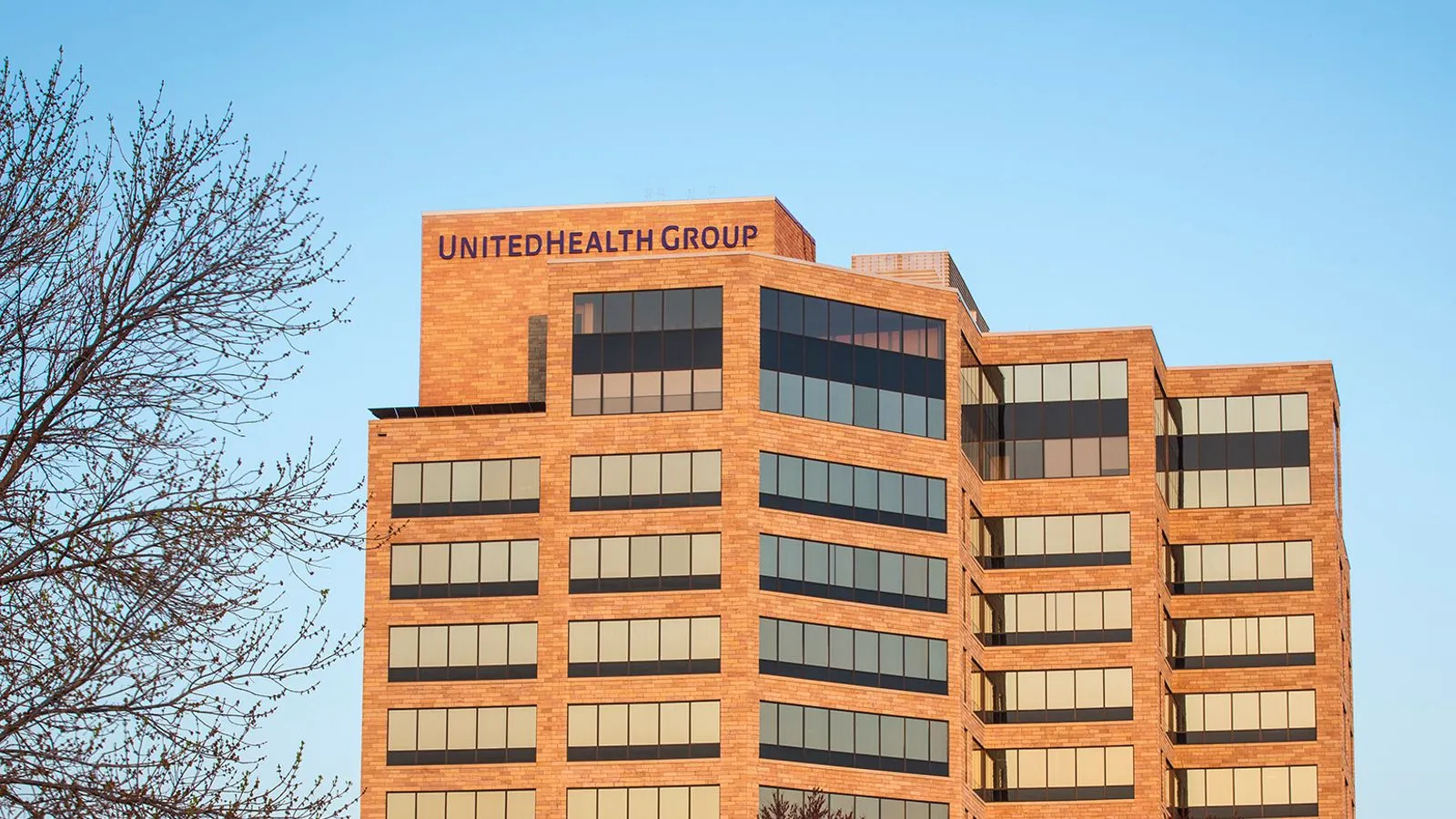
UnitedHealthcare, as the largest Medicare Advantage insurer in the United States, provides the most comprehensive case study of this market correction. The company’s 2026 fiscal year has been defined by a deliberate sacrifice of market share in favor of solvency.
Membership and Margin Dynamics
In the second quarter of 2026, UnitedHealthcare reported a membership of approximately 7.6 million seniors—a significant drop from the 8.4 million reported at the close of 2025. Projections suggest the company may shed up to 1.1 million members by the end of the year.
However, from a financial perspective, this was a successful maneuver. By eliminating plans in 109 counties and pulling back from one entire state, the company offloaded high-cost, low-margin segments. This "culling" process, alongside a shift in broker commission structures—which now incentivize the sale of more profitable, stable plans—has bolstered the bottom line.
UnitedHealthcare had set a 2026 margin target of 2% to 4%. Following the mid-year performance, management confirmed that they expect to finish the year in the upper half of that range, signaling that the austerity measures are yielding the desired financial outcomes.
Official Responses and Executive Strategy
The sentiment across the C-suites of major health insurers is one of cautious optimism, tempered by a recognition that the "glory days" of 8% margins are likely gone.
UnitedHealthcare’s Position
"I would say all trends are pointing in the right direction," noted the company’s CFO during a recent earnings call. The strategy is clear: focus on core markets, limit provider network breadth to control costs, and reduce the scope of "bells and whistles" supplemental benefits, such as over-the-counter allowances.
The Humana and CVS/Aetna Pivot
Humana, the nation’s second-largest MA provider, has adopted a similarly aggressive stance. The company expects to discontinue specific plans for 2027, an action that will impact roughly 600,000 seniors, or about 8% of its total MA membership.
Meanwhile, CVS Health’s Aetna, Elevance, and Centene are following suit. Centene CEO Sarah London articulated the industry’s prevailing sentiment, stating, "Looking ahead to 2027, we plan to further simplify our Medicare Advantage footprint." For these companies, the priority has shifted from capturing every possible beneficiary to ensuring that every beneficiary currently on the books contributes to the company’s financial stability.
Implications for Seniors: A New Era of Choice
The retreat from Medicare Advantage has profound implications for the elderly population, who have come to rely on these private plans for integrated care.
Reduced Choice and Generosity
The most immediate impact is the reduction in plan availability. In many counties, seniors are finding fewer plan options than they had in previous years. Furthermore, the plans that remain are increasingly "bare-bones." Supplemental benefits—such as dental, vision, hearing, and wellness allowances—that were used as competitive tools to attract members are being trimmed or eliminated to preserve the plan’s core viability.
The "Broker" Influence
As insurers shift commission structures to push agents toward more profitable plans, the advice seniors receive from brokers may become increasingly biased. Beneficiaries must now be more vigilant than ever, as the "best plan" for an insurance company’s margin may not necessarily be the plan that provides the best value or coverage for an individual senior’s health needs.
The Looming 2027 Disruption
As Medicare open enrollment approaches on October 15, millions of seniors will be forced to navigate a significantly changed market. With major carriers continuing to file for plan exits and benefit reductions, the 2027 enrollment period is shaping up to be another year of high volatility.
Conclusion: The New Normal
The Medicare Advantage market is undergoing a structural realignment. The era of unchecked growth and outsized profitability has been replaced by a period of rigorous financial scrutiny. While this transition is necessary for the long-term sustainability of private Medicare participation, the burden of this adjustment is falling squarely on the shoulders of the beneficiaries.
As the industry prepares for the 2027 plan year, the message to investors and shareholders is one of fiscal discipline and margin recovery. However, the message to the American senior is more sobering: the gold-plated benefits and widespread access that defined the last decade of Medicare Advantage are fading, replaced by a landscape defined by cost-containment, limited networks, and a more restricted, albeit more stable, menu of options.
For policymakers, the challenge remains: how to maintain the appeal of Medicare Advantage as a competitive alternative to traditional Medicare while ensuring that the pursuit of corporate profit does not erode the fundamental promise of affordable, comprehensive healthcare for the nation’s seniors.