








By Rachael Robertson, Enterprise & Investigative Writer, MedPage Today
October 15, 2026
Welcome to Culture Clinic, MedPage Today’s collaboration with Northwell Health to offer a healthcare professional’s take on the latest viral medical topics.
Two decades ago, the landscape of reality television was dominated by a distinct brand of "makeover" programming—shows that promised to transform not just the wardrobes, but the fundamental identities of their participants. Yet, among the genre’s many casualties, one program stood out for its audacity and its profound ethical failures: The Swan.
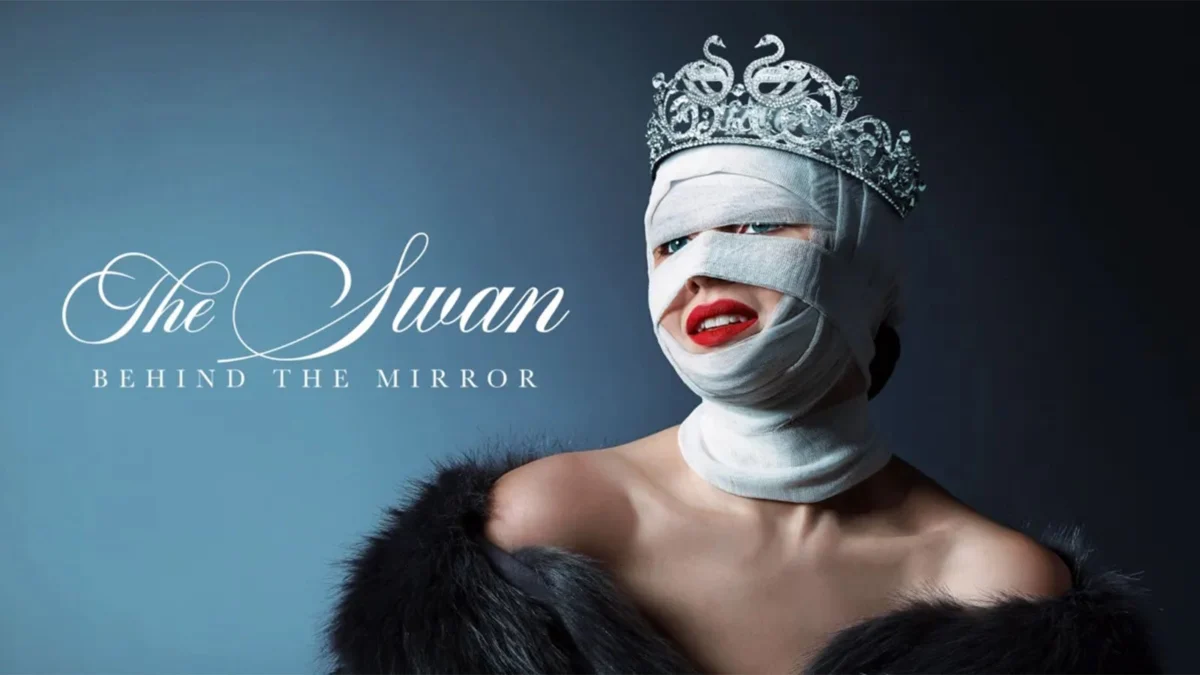
Now, with the release of the new documentary The Swan: Behind the Mirror, former contestants and medical professionals are revisiting the show’s legacy, sounding a long-overdue alarm about the dangerous intersection of entertainment, psychological manipulation, and surgical excess. For the medical community, the show serves as a cautionary tale of what happens when the Hippocratic Oath is traded for ratings.
The Architecture of a Spectacle
The Swan, which aired on Fox for two seasons between 2004 and 2005, operated on a premise that would be viewed as deeply predatory by modern standards. The casting call targeted women struggling with low self-esteem, promising them a life-altering "glow up." Over the course of several months, these women were sequestered, subjected to intensive plastic surgery, rigorous exercise regimes, and high-pressure life coaching, all while being denied access to a mirror.
The climax of each episode was a "reveal"—a dramatic moment where the participant would finally see her new face and body before being forced to compete against other contestants in a beauty pageant. To the producers, it was gold-standard reality television. To the medical community, it was a gross violation of surgical ethics.
Surgical Excess and Patient Safety
The clinical practices depicted on the show were, according to modern experts, a direct antithesis to responsible plastic surgery. During the filming, surgeons performed a battery of procedures—including rhinoplasty, breast augmentation, liposuction, abdominoplasty, and veneers—within a single, 10-hour block of anesthesia.
Kelly Killeen, MD, a Beverly Hills-based plastic surgeon and member of the American Society of Plastic Surgeons, views the show as a stain on the profession. "That’s just not how plastic surgery should ever be," Killeen told MedPage Today. "It’s demoralizing. To have it all broadcast on television is awful."
From a clinical standpoint, the risks associated with such extensive, concurrent surgeries are significant. "Patients just don’t heal well when you’re operating all over somebody’s body," Killeen explained. Standard surgical protocols prioritize breaking up elective procedures into smaller, manageable sessions to minimize the duration of anesthesia and the stress placed on the patient’s physiological systems.
The danger was compounded by the show’s post-operative requirements. Contestants were placed on calorie-deficit diets while simultaneously engaging in hours of intense daily exercise. Lyle Leipziger, MD, chief of plastic surgery at Northwell Health’s North Shore University Hospital and Long Island Jewish Medical Center, emphasized that such practices fly in the face of post-operative care standards.
"The idea is to never push the envelope," Leipziger noted. "We advise patients to abstain from exercise—other than gentle walking—for at least six weeks following most major procedures to mitigate the risks of elevated blood pressure, hematomas, and dehiscence, or ‘popped’ sutures. You must ensure everyone heals at their own rate, under careful monitoring."
Ethical Erosion: Informed Consent and Manipulation
Beyond the physical risks, the documentary highlights a systemic breakdown in informed consent. Several participants reported that they were left to manage their own post-operative dressings, often relying on fellow contestants for care. Many were never fully apprised of the lifelong maintenance required for their surgeries, such as the periodic replacement of implants or the long-term upkeep of veneers.
The psychological impact was equally severe. The show’s producers and surgeons frequently utilized derogatory language, labeling the contestants’ natural features as "not ideal" or in need of being "fixed."
Killeen points out that this language is not only unprofessional but discriminatory. "When women come in, I don’t look at their whole body and go, ‘What can I make better?’ Because there are so many different types of beautiful," she said. "I think it is incredibly dangerous when we start telling people they are not ‘ideal.’ Even if a surgery is technically challenging, we never label a patient’s features as ‘difficult.’"
The documentary suggests that this rhetoric disproportionately targeted women of non-white ethnic backgrounds, attempting to push them toward a homogenous beauty standard. The manipulation was a dual-pronged effort: surgeons used the language of deficiency to encourage more procedures, while producers leveraged the emotional turmoil of the women to capture the dramatic outbursts that defined early 2000s reality TV.
The Medical Establishment’s Response
The two plastic surgeons who served as the faces of The Swan, Terry Dubrow, MD, and Randal Haworth, MD, have maintained varying degrees of silence regarding the show’s legacy. Dubrow, who gained significant fame later for his work on the reality series Botched, did not respond to multiple requests for comment for the documentary or for this report.
Haworth, however, did grant an interview for the documentary. His reflections have been met with widespread condemnation from the medical community. When asked about his perspective on the show two decades later, Haworth remarked, "I’ve become more empathetic because I have a dog." The flippancy of this response has been cited by critics as evidence of the profound lack of clinical empathy that characterized the show’s production.
Implications for Modern Practice
In the years since The Swan was canceled, the field of plastic surgery has shifted toward a more nuanced, patient-centered approach. However, the rise of social media and the "influencer" culture has created new, albeit different, pressures for patients.
Dr. Leipziger notes that because plastic surgery has become significantly more mainstream and accessible, the burden of responsibility on the surgeon has never been higher. "The conversations between doctors and patients are all the more crucial now," Leipziger said. "We have to ensure that patients are seeking procedures for the right reasons, with a clear understanding of the risks, the recovery, and the reality of the outcome."
The lessons from The Swan remain vital:
- Patients are not props: The primary duty of a surgeon is to the patient’s health, not the narrative arc of a television show.
- Standard of Care is non-negotiable: Rapid "makeovers" that ignore recovery protocols for the sake of visual drama are medically irresponsible.
- Language matters: Clinicians must be vigilant against internalizing or promoting biased beauty standards that pathologize natural features.
Conclusion: A Legacy of Reflection
The release of The Swan: Behind the Mirror acts as a reckoning for both the entertainment industry and the surgical community. While hindsight provides the clarity to condemn the show’s practices, it also serves as a reminder of the vulnerability of patients seeking validation through surgery.
"This show is really not an accurate representation of responsible modern plastic surgery," Leipziger concluded. As cosmetic procedures continue to integrate into daily life, the medical community must remain vigilant, ensuring that the patient’s humanity remains at the forefront of every consultation. The era of the "Swan" may be over, but the ethical imperative to protect patients from the pressure of perfectionism is more critical than ever.