











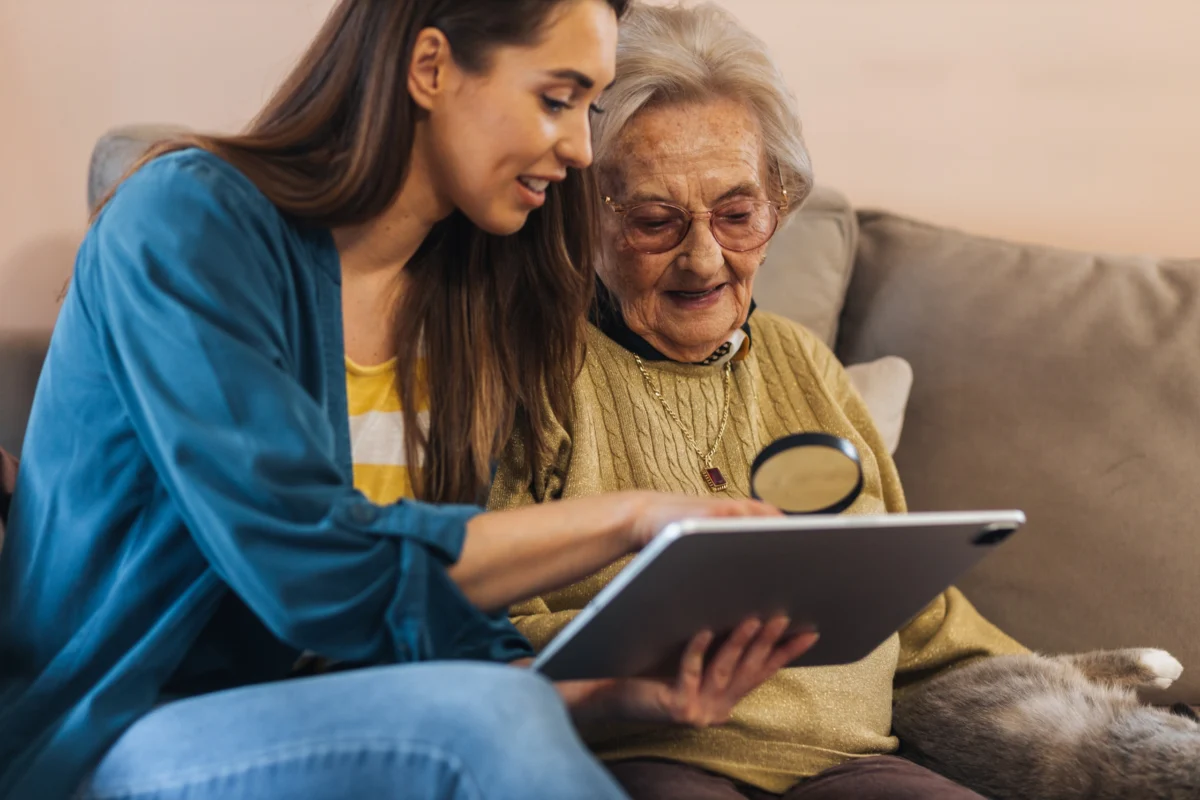
The landscape of modern medicine has undergone a seismic shift, accelerated by necessity and solidified by technological advancement. Telehealth—the delivery of healthcare services via digital communication platforms—has transitioned from a niche convenience to a cornerstone of the contemporary medical experience. For the aging population, this shift represents more than mere convenience; it is a gateway to independence, consistent chronic disease management, and a safer healthcare experience that bypasses the logistical hurdles of the physical office.
As we navigate an era where health outcomes are increasingly tied to patient engagement and accessibility, understanding the nuances of virtual care has never been more critical. This report examines the mechanics, safety protocols, and strategic implications of telehealth for seniors and their caregivers.
The Evolution of Virtual Care: A Chronological Overview
To understand the current state of telehealth, one must look at its rapid maturation over the last decade.
The Pre-Digital Era: Historically, medical care was defined by the "office visit." For older adults, this often meant reliance on family members for transportation, the physical toll of navigating clinics, and the logistical nightmare of managing multiple appointments for chronic conditions.
The 2020 Catalyst: While telehealth existed prior to 2020, the global pandemic served as the primary driver for widespread adoption. Within months, regulatory barriers were lowered, and insurance providers—including Medicare—expanded coverage for virtual visits. What began as an emergency measure quickly proved its efficacy.
The Post-Pandemic Integration: Today, telehealth has settled into a "hybrid model." It is no longer an alternative to traditional medicine but a complementary pillar. Current data suggests that the integration of remote monitoring devices—such as blood pressure cuffs that sync with smartphone apps—has further solidified the role of virtual care in long-term geriatric health maintenance.
The Pillars of Telehealth: Why It Matters for Aging Adults
The benefits of virtual care are particularly profound for individuals managing the complexities of aging.
1. Removing the Barrier of Mobility
For seniors with limited mobility, chronic pain, or frailty, the journey to a doctor’s office is often the most taxing part of the appointment. Telehealth eliminates the need for physical transit, reducing the risk of falls and the fatigue associated with travel.
2. Shielding the Vulnerable
Older adults are frequently at higher risk for complications from infectious diseases. Waiting rooms, by design, are spaces where sick individuals congregate. By transitioning routine follow-ups to a digital format, patients can discuss their health needs without the inherent risk of exposure to circulating viruses or bacterial infections in a clinical setting.
3. Streamlining Chronic Disease Management
Managing conditions such as hypertension, diabetes, or arthritis requires frequent check-ins. Telehealth allows for a more frequent, "low-friction" connection between the patient and the physician. Instead of waiting for a quarterly in-person visit, patients can conduct brief, monthly virtual check-ins to monitor medication efficacy and symptoms, allowing for faster adjustments to treatment plans.
Technical Accessibility: Getting Started with Confidence
A common misconception is that telehealth is exclusively for the "tech-savvy." In reality, the systems have been engineered for simplicity. To participate in a telehealth visit, a patient generally requires only three things:
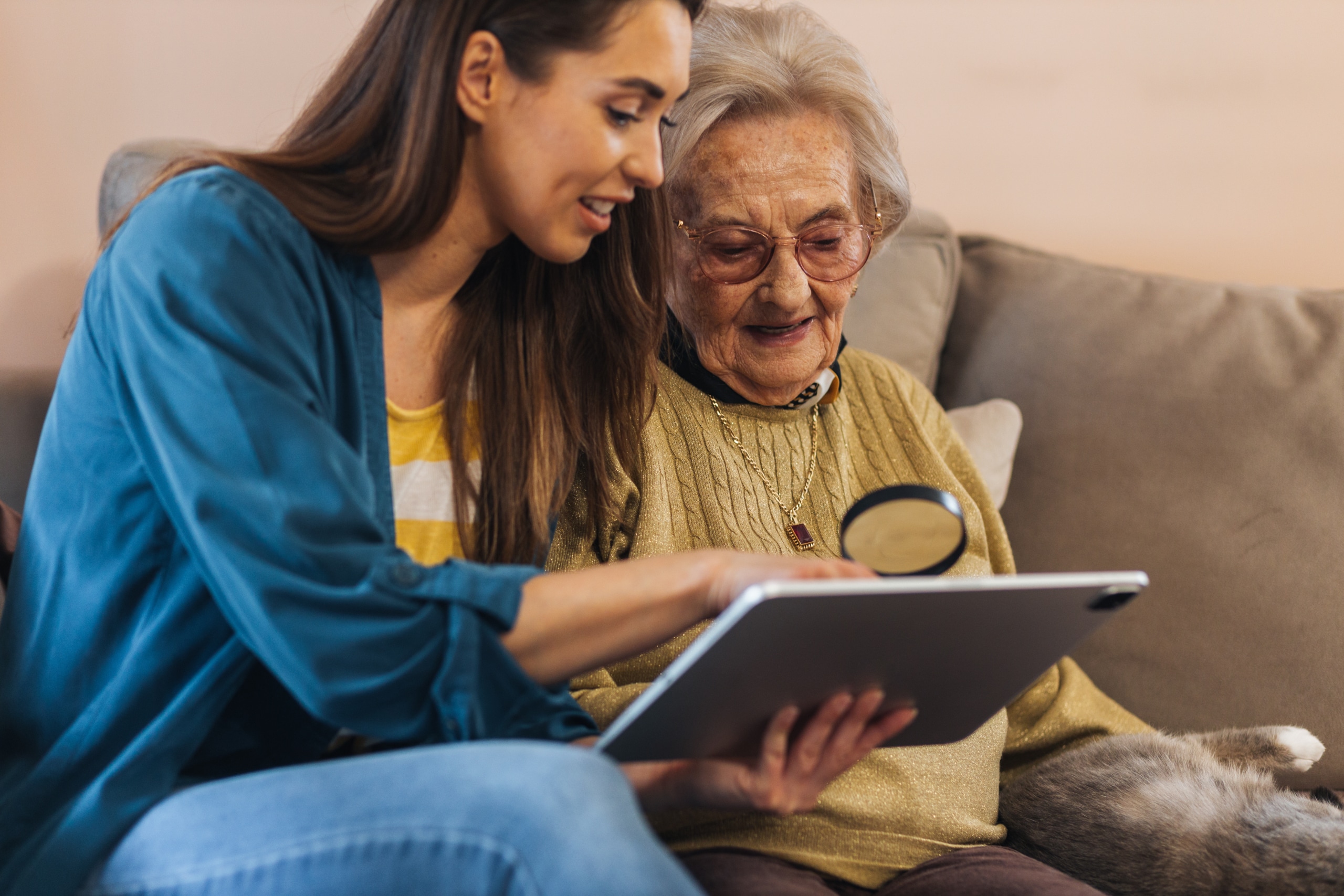
- A Reliable Connection: High-speed internet (Wi-Fi) or a stable cellular data connection.
- A Compatible Device: A smartphone, tablet, or a computer equipped with a webcam and microphone.
- An Access Link: A secure portal or link provided by the healthcare clinic.
The "Ten-Minute Rule" for Preparation
For seniors preparing for their first or fiftieth virtual visit, the most effective strategy is the "10-Minute Rule." Logging into the virtual portal ten minutes prior to the scheduled appointment allows the patient to:
- Ensure the camera is positioned at eye level.
- Test the microphone volume.
- Confirm that the device is charged or plugged into a power source.
- Review any notes or questions they have prepared for the physician.
Triage: Deciphering When to Go Virtual vs. When to Seek Emergency Care
Not every ailment is suitable for a digital screen. Distinguishing between a routine follow-up and a medical emergency is vital for patient safety.
| Category | Telehealth Appropriate | Seek Immediate Emergency Care |
|---|---|---|
| Respiratory | Cold, flu, or seasonal allergy symptoms | Difficulty breathing or chest pain |
| Dermatological | Minor rashes or suspected infections | Unexplained sudden swelling or burns |
| Neurological | Medication refills or general inquiries | Signs of stroke (facial droop, confusion, slurred speech) |
| Physical | Chronic pain follow-ups | Broken bones, head trauma, or severe injury |
| Systemic | Mental health check-ins | High fever (>104°F) or uncontrolled bleeding |
Note: If you are ever in doubt, the safest course of action is to contact your primary care provider or call emergency services immediately.
Protecting Patients: Navigating the Risks of Scams
As telehealth popularity grows, so does the prevalence of bad actors. Cybersecurity in healthcare is a significant concern, and patients must be proactive in protecting their digital health data.
Identifying Legitimate Portals
The golden rule of virtual care is to only use channels sanctioned by your existing healthcare provider.
- Verification: Never click on unsolicited email links promising a "virtual doctor visit."
- Official Sources: Always log in via the official app or website of your hospital system or insurance provider.
- Financial Privacy: Be wary of any service that demands payment via non-traditional methods (such as gift cards or wire transfers). Legitimate telehealth visits are billed through standard insurance or verified patient payment portals.
- Data Sensitivity: Never share your social security number or financial details over an unverified chat or video call.
The Implications for Future Healthcare Policy
The rise of telehealth has forced a reevaluation of healthcare policy. Professional medical organizations, such as the Alliance for Aging Research, have been at the forefront of advocating for the long-term preservation of telehealth benefits.
The implications are clear: when we remove the geographical and logistical barriers to care, patients are more likely to remain adherent to their medication regimens and more likely to report symptoms early, before they escalate into hospital-worthy crises. Furthermore, the integration of telehealth is helping to address the "caregiver burden," as family members can join virtual calls regardless of their physical location, ensuring that the senior’s health goals are supported by a broader support network.
Expert Perspective: A Commitment to Quality
Katrin Werner-Perez, Director of Health Programs for the Alliance, emphasizes that the goal of telehealth is to "enhance the human element of medicine, not replace it." By shifting the administrative and routine tasks to a digital space, the precious time spent in an in-person appointment can be dedicated to more complex examinations, physical touch, and the nuances of the doctor-patient relationship that cannot be replicated through a screen.
As the population continues to age, the systems we build today must be resilient, accessible, and safe. Telehealth is not merely a technological trend; it is a fundamental shift in how we honor the health and dignity of older adults, ensuring that expert medical care remains a constant, reliable presence in their lives, regardless of where they call home.
For those interested in further resources, including guides on how to discuss telehealth with your insurance provider or how to set up specific devices, the Alliance for Aging Research website provides comprehensive toolkits designed to bridge the gap between patient and provider.
Disclaimer: This article is for informational purposes only and does not constitute medical advice. Always consult with your primary healthcare provider regarding your specific medical needs and before making changes to your healthcare routine.