




In the landscape of health and wellness, we often fixate on metrics like blood pressure, cholesterol levels, or the number of steps taken in a day. Yet, one of the most profound indicators of how well you are aging—and how effectively your body will support you in the decades to come—is hidden in a deceptively simple movement: the single-leg stand.
For individuals over the age of 60, the ability to balance on one leg is not merely a party trick or a fitness challenge; it is a critical diagnostic tool. According to longevity experts, this movement acts as a gateway to understanding your neurological health, the integrity of your connective tissues, and your overall risk for mobility loss.
The Foundation of Movement: Why Balance Matters
At its core, human locomotion is a repetitive, rhythmic act of one-leg balancing. When we walk, we are essentially shifting our center of gravity from one leg to the other in a controlled, falling-forward motion.
"Single-leg balance is the foundation of almost every movement we perform," explains Sue Hitzmann, a renowned longevity and fitness expert, fascia educator, and founder of the MELT Method. "Watch an older adult who struggles with mobility, and you will often see a ‘waddle’ or a shuffle. This happens because the ability to trust one leg to hold the body’s entire weight has been compromised. The brain no longer feels safe shifting that weight, so it minimizes the movement to stay ‘grounded.’"
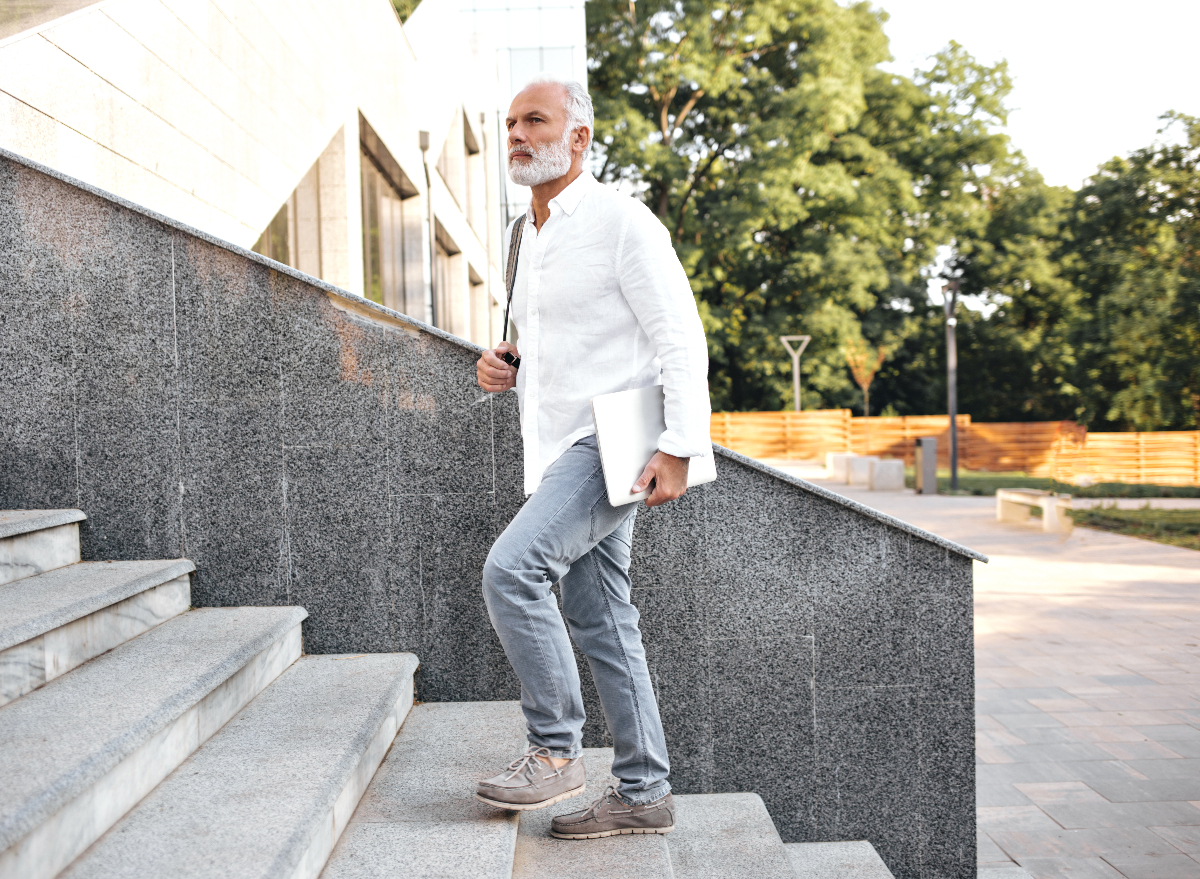
This instability extends beyond walking. Simple daily tasks—climbing a flight of stairs, stepping over a curb, getting dressed in the morning, or navigating uneven terrain like a grassy lawn—require the body to stabilize on a single base of support. If that foundation is shaky, the body compensates, leading to stiff movements, excessive reliance on railings, and an increased fear of falling.
The Role of Fascia: The Hidden Communication Network
To understand why balance degrades, one must look at the body’s "organ of awareness": the fascia. Fascia is the connective tissue network that envelops every muscle, bone, nerve, and organ. It is not merely a structural casing; it is a vast, sensory-rich communication web.
"Fascia contains millions of sensory receptors that tell your brain where your limbs are in space, how to manage tension, and how to adjust your posture in real-time," Hitzmann notes. This process is known as proprioception—your body’s ability to sense its position in the environment without looking at your limbs.
When we are younger, our fascia is typically hydrated, elastic, and responsive. However, as we age, if we do not proactively maintain this tissue, it can become dehydrated and sluggish. Hitzmann uses the analogy of an antenna: "Think of your fascia like an antenna that needs to be tuned to keep neural signals firing accurately. If that tissue becomes stiff or ‘fuzzy,’ the brain receives delayed or inaccurate information about your joint positions. Your balance will reflect that loss of signal long before you notice any overt mobility issues."
Benchmarks for Longevity: What Success Looks Like
How do you know if your stability is up to par? Clinical data and population studies provide a clear, albeit challenging, standard for those over 60.
The Standard Benchmark
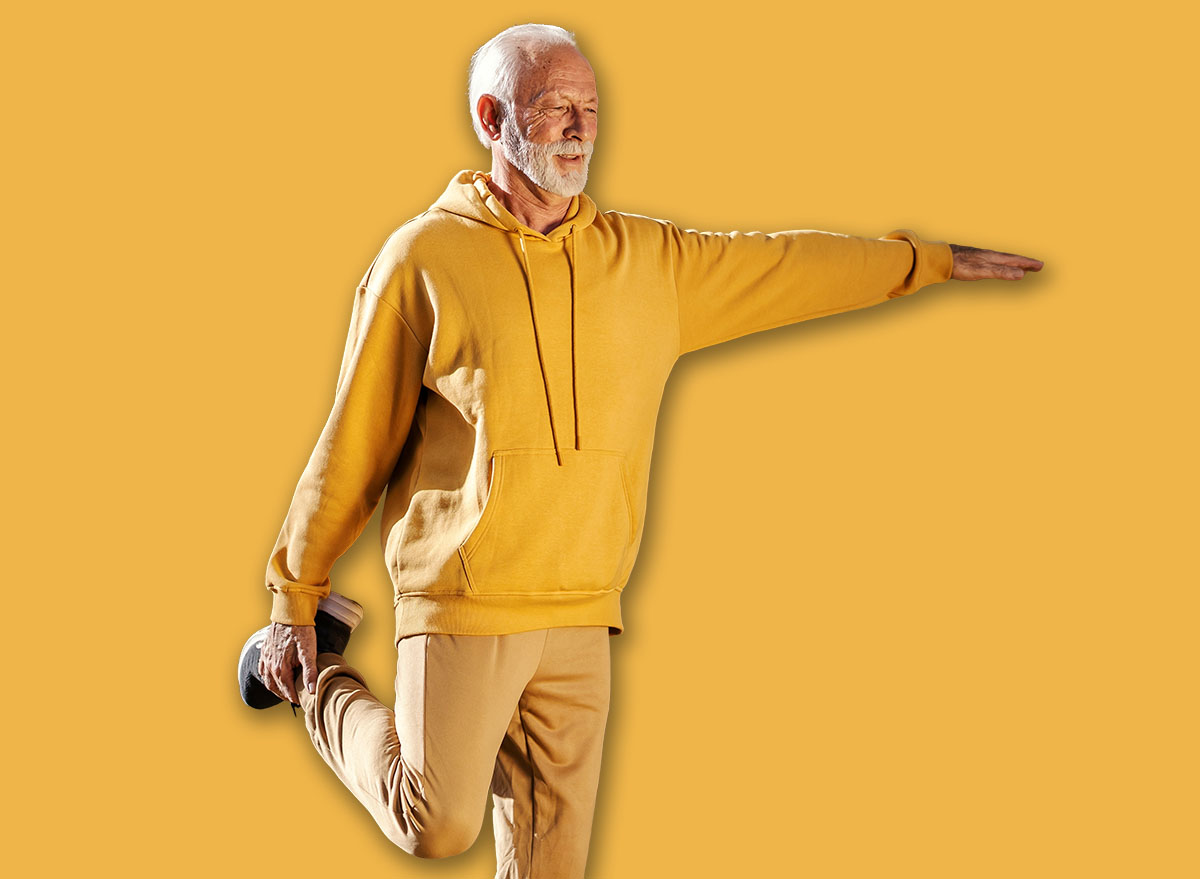
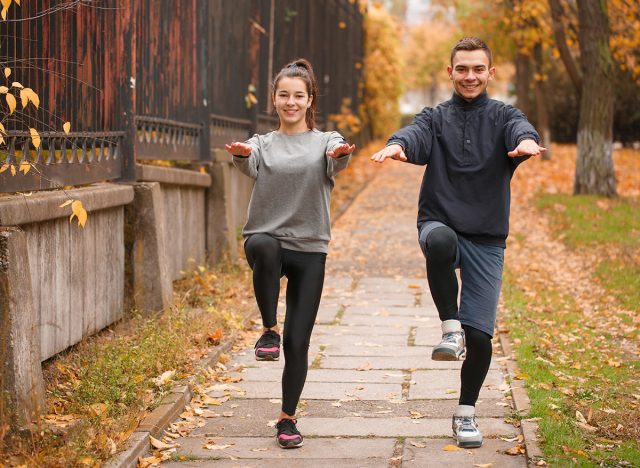
For a healthy adult over 60, the "gold standard" is the ability to maintain a single-leg stand with eyes open for 20 to 30 seconds. During this time, the individual should be able to stand without:
- Wobbling or flailing the arms excessively.
- Holding their breath (a common sign of bracing or tension).
- Gripping the floor with the toes (which indicates a lack of ankle stability).
The Advanced Challenge
Once the basic benchmark is met, Hitzmann suggests a more rigorous test: the eyes-closed balance. "By closing your eyes, you remove visual input, which forces your nervous system to rely entirely on your proprioceptive receptors and your inner ear," she says. "Ideally, we want to see someone hold this for 10 to 15 seconds."
It is important to note that most people will find one side is naturally stronger or more stable than the other. This asymmetry is common, but it is also a signal that the body requires targeted attention to correct muscular or fascial imbalances.
Chronology of Mobility Decline: A Proactive Approach
The decline of balance is rarely an overnight event. It is a slow, cumulative process that often follows a predictable trajectory:
- The Early Phase (50s–60s): Subtle shifts occur. You may find yourself holding the handrail more often or feeling "unsure" on uneven surfaces. This is the stage where the fascia begins to lose its elasticity.
- The Compensation Phase (60s–70s): The body begins to change its movement patterns. You might take shorter, slower strides or widen your gait to feel more secure. This is where the risk of injury begins to climb.
- The Stability Crisis (75+): Without intervention, the nervous system’s reflexive stability—the automatic ability to catch oneself—diminishes. This is the period where falls become significantly more frequent and, consequently, more dangerous.
The critical takeaway is that the "Stability Crisis" is not an inevitable outcome of aging. Because the fascia responds remarkably well to consistent, gentle input, the window for intervention is always open.
Implications for Daily Life
Why should a busy professional or retiree dedicate time to balancing on one leg? The implications extend far beyond the gym.
- Injury Prevention: Falls are the leading cause of injury among older adults. Improving your balance is the single most effective way to maintain independence.
- Cognitive Integration: Balance training is essentially brain training. It forces the nervous system to process complex sensory data, which is a powerful way to keep the brain sharp and adaptable.
- Energy Efficiency: When your fascia is hydrated and your joints are properly aligned, movement becomes "effortless." You spend less energy just trying to keep yourself upright, leaving more vitality for the activities you love.
Practical Steps: How to Improve Your Score
If you find that you cannot hit the 20-second mark, do not be discouraged. Balance is a skill, not a static trait. Hitzmann suggests several habits to improve your fascial health and stability:
1. Mindful Daily Movement
Incorporate small balance exercises into your routine. While brushing your teeth or waiting for the coffee to brew, practice standing on one leg. Start by holding onto a counter for support and gradually reduce your reliance on it as your confidence grows.
2. Hydration and Compression
Since fascia thrives on hydration, ensure you are drinking enough water. Furthermore, incorporate techniques like self-massage or using foam rollers. Gentle, rhythmic pressure helps "melt" stiff fascia, allowing the tissues to rehydrate and regain their spring.
3. Breathwork
Many people hold their breath when trying to balance. This creates unnecessary tension in the core and prevents the nervous system from relaxing. Focus on deep, rhythmic belly breathing while performing your balance exercises.
4. Vary the Terrain
Once you master the flat floor, challenge yourself on different surfaces—a rug, a yoga mat, or a patch of grass. These variations force your ankles and hips to make the "thousands of micro-adjustments" that keep your neural pathways firing.
Conclusion: The Long-Term Investment
Taking care of your body is the ultimate investment in your future. By testing your balance today, you are essentially looking into a crystal ball of your future physical capabilities. If your time is decreasing over the months or years, it is a clear call to action from your nervous system.
"The good news," Hitzmann emphasizes, "is that balance isn’t something you lose and never get back. It is a trainable, responsive quality. By committing just a few minutes a day to these simple, functional movements, you can ensure that your 60s, 70s, and beyond are defined by mobility, confidence, and the freedom to move through the world with ease."
Do not wait until a fall occurs to prioritize your stability. The test is free, the time required is minimal, and the reward—a future of active, independent living—is priceless.