




For decades, the name Linus Pauling was synonymous with scientific brilliance. As one of the few individuals to win two unshared Nobel Prizes—one for Chemistry and one for Peace—Pauling stood as a titan of 20th-century intellect. He unlocked the secrets of the chemical bond and decoded the complex architecture of proteins. Yet, late in his career, he pivoted toward a crusade that would baffle his peers and tarnish his reputation among the medical establishment: the fervent promotion of high-dose vitamin C as a cure for cancer.
For years, the scientific community dismissed Pauling’s claims as the "halo effect" in action—the erroneous belief that a genius in one field is necessarily wise in all others. When Pauling passed away from cancer in 1994 at the age of 93, his vitamin C obsession was widely regarded as a tragic, if not embarrassing, postscript to an otherwise illustrious career.
However, half a century later, the narrative is shifting. Modern oncology is revisiting the vitamin C question with sophisticated tools and a more nuanced understanding of cellular metabolism. The verdict is no longer a simple "right or wrong"; instead, it has become a complex story of pharmacology, bioavailability, and the distinction between a nutrient and a drug.
The Chronology of a Scientific Feud
The controversy began in the early 1970s, when Pauling entered a collaboration with Scottish physician Ewan Cameron. Together, they conducted observational studies on patients with advanced, incurable malignancies. They administered massive doses of vitamin C—initially via intravenous (IV) infusion, followed by oral tablets. The results, as reported by Pauling and Cameron, were staggering: patients receiving the vitamin reported not only extended lifespans but also a significantly improved quality of life compared to those who did not.
The medical establishment, however, was skeptical. To settle the debate, the Mayo Clinic conducted two landmark, double-blind, randomized controlled trials. These trials were designed with rigor, but there was a fundamental procedural disconnect: the Mayo Clinic researchers administered the vitamin C exclusively via oral tablets. The results were unequivocally negative; there was no discernible benefit for the cancer patients.
Following the Mayo Clinic’s findings, the mainstream oncology community effectively buried the topic. Vitamin C was relegated to the status of an "alternative" health fad, and Pauling’s reputation as a serious researcher in this area suffered a terminal blow. For thirty years, the "Vitamin C versus Cancer" debate was treated as a closed book.
Bioavailability: The Missing Link
What both the proponents and the critics of the time failed to account for was the physiological limit of the human digestive system. The gut is a gatekeeper; it has a finite capacity for absorbing ascorbic acid. Once a person reaches a certain threshold of oral intake, the body simply ceases to absorb more, and the excess is excreted. Consequently, swallowing hundreds of tablets per day does not lead to a proportional increase in blood concentration.
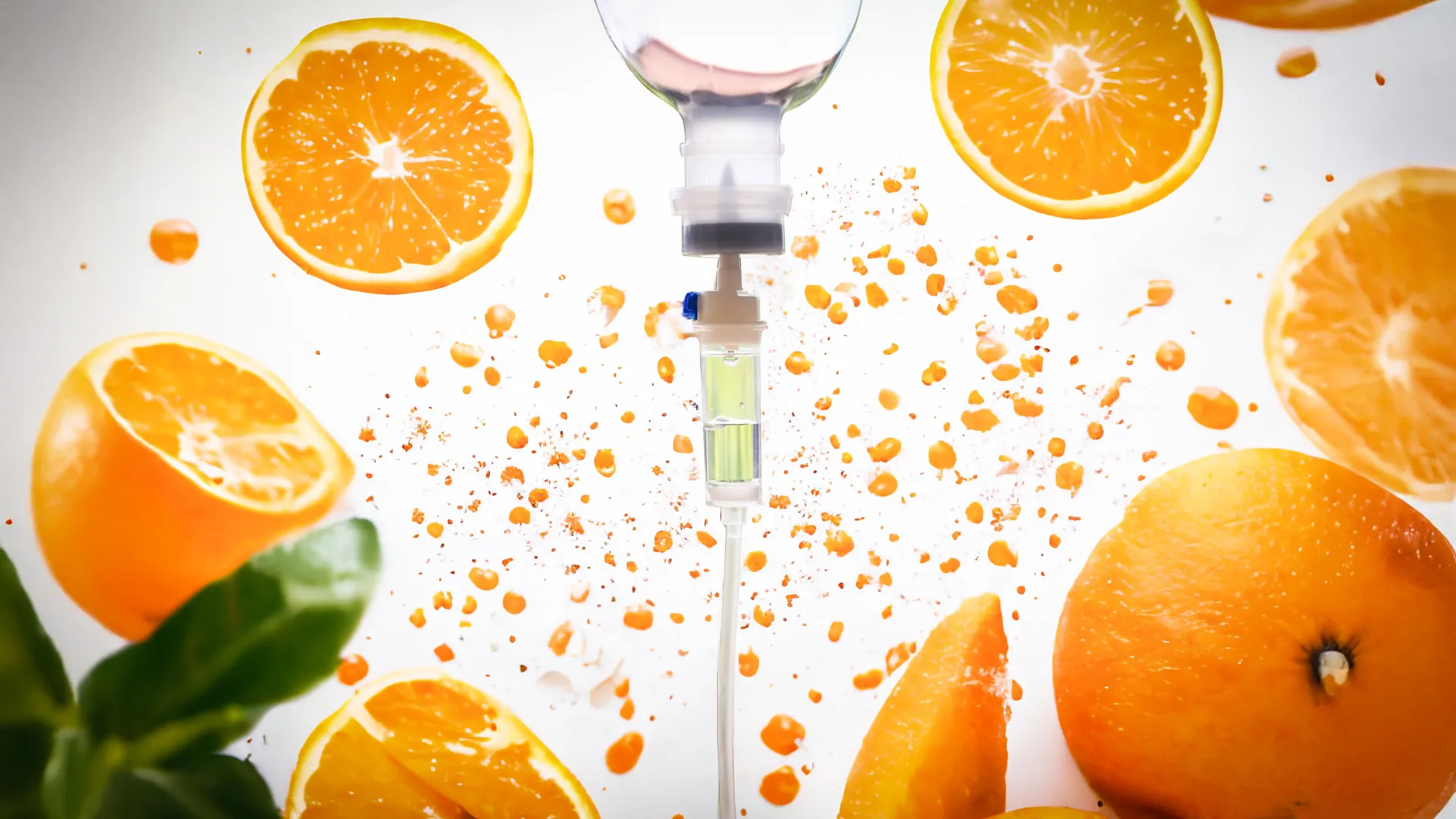
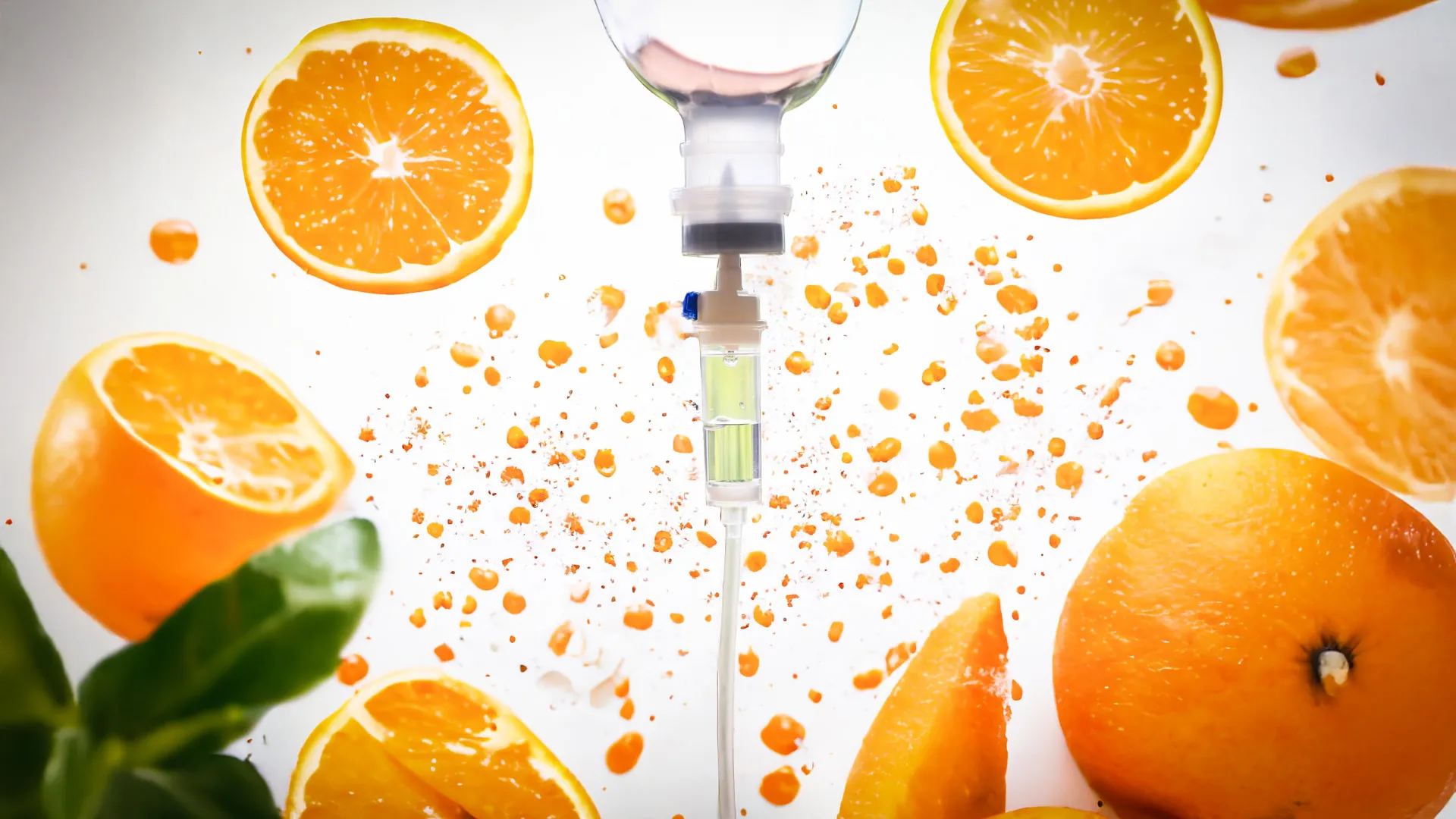
Modern researchers now understand that the delivery method is the variable that changes everything. Intravenous administration bypasses the gut’s restrictive absorption threshold, allowing blood plasma levels to soar to concentrations tens or even hundreds of times higher than what could ever be achieved through ingestion. At these pharmacological concentrations, vitamin C ceases to act as a gentle nutrient and begins to exhibit properties that researchers are only now beginning to fully quantify.
Mechanism of Action: When Antioxidant Becomes Pro-oxidant
To understand why high-dose IV vitamin C acts differently, one must look at its paradoxical role in cellular biology. At physiological levels, vitamin C acts as a classic antioxidant, neutralizing free radicals and protecting DNA. However, when concentrated in the blood via IV infusion, it shifts into a pro-oxidant state, particularly in the microenvironment surrounding tumors.
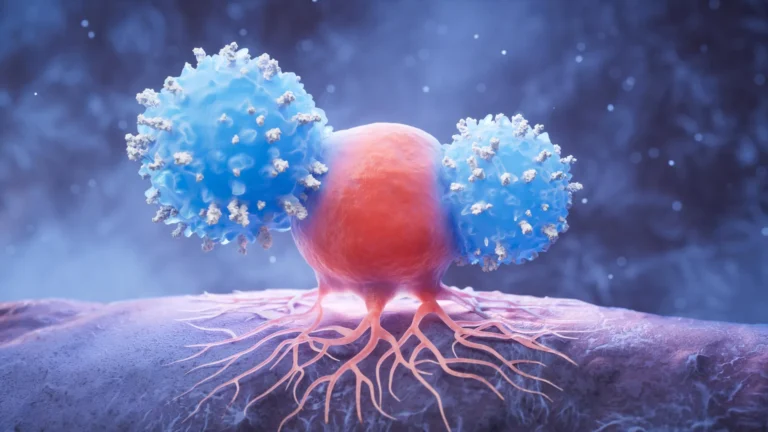
In laboratory settings, high-dose vitamin C facilitates the production of hydrogen peroxide—a reactive oxygen species. Cancer cells, which are often metabolically stressed and survive in environments with poor oxygen and nutrient supplies, lack the robust antioxidant enzymes (such as catalase) found in healthy cells. When suddenly flooded with a "pulse" of hydrogen peroxide, these vulnerable cancer cells suffer catastrophic damage to their DNA and energy-generating mitochondria.
In this context, high-dose vitamin C functions less like a vitamin supplement and more like a selective, low-toxicity chemotherapy agent. It targets the "weak spots" of the cancer cell while leaving healthy cells—which possess superior internal cleanup mechanisms—relatively unscathed.
Supporting Data and Current Clinical Realities
While the laboratory evidence is compelling, the jump to human clinical application remains a work in progress. Small-scale trials have been conducted on patients with notoriously difficult-to-treat cancers, including pancreatic, ovarian, and glioblastoma.
The data, while not conclusive, reveal several consistent trends:
- Safety: High-dose IV vitamin C is generally well-tolerated when administered by trained medical professionals. It is not, however, a "wellness drip" for the general public; it carries significant risks for patients with renal failure or specific genetic conditions.
- Synergy: Some studies suggest that when paired with conventional chemotherapy, vitamin C may reduce the debilitating side effects of treatment, such as nausea, pain, and extreme fatigue.
- Quality of Life: Even in trials where there was no clear extension of survival, patients consistently reported higher quality-of-life scores. For those battling late-stage disease, this reduction in suffering is a clinical outcome of significant value.
Implications for Modern Oncology
If high-dose vitamin C is not the "miracle cure" Pauling once envisioned, what is its place in the modern clinic? The current consensus is that it remains an experimental, albeit promising, adjunct. It is not a replacement for standard therapies like radiation, surgery, or targeted immunotherapy.
The medical community is now moving toward a more sophisticated synthesis. Research is exploring whether vitamin C can "mark" cancer cell DNA in ways that make tumors more sensitive to conventional treatment. Other studies are investigating whether it can prime the immune system to better recognize and infiltrate tumors. These are early-stage, speculative findings, but they highlight a shift from viewing vitamin C as a "supplement" to viewing it as a potential "metabolic modulator."
The Legacy of a "Partly Right" Pioneer
Looking back at the trajectory of Linus Pauling’s work, we find a lesson in the humility of scientific progress. Pauling was, in many respects, wrong: he exaggerated the efficacy of oral vitamin C, mischaracterized it as a universal remedy, and relied on data that failed to hold up to the rigors of modern clinical trials.
Yet, he was also undeniably right in his intuition that this simple molecule possessed latent, untapped therapeutic potential. He sensed that the key lay in the dosage and the method of delivery—a realization that the medical world took decades to catch up to.
Science rarely moves in a straight line. It is a messy, iterative process marked by bold hypotheses, fierce skepticism, and, eventually, a quieter, more data-driven return to the questions we thought we had already answered. The story of vitamin C and cancer reminds us that even the most "settled" topics in medicine can harbor hidden truths.
While Linus Pauling may never be fully vindicated in the way he hoped, he is no longer viewed as a charlatan. Instead, he stands as a symbol of the necessity of questioning the status quo. He may not have discovered the fountain of youth, but he did, perhaps, catch a glimpse of a future where simple, metabolic interventions could one day play a sophisticated role in the most complex fight of our lives.