In a discovery that could fundamentally reshape our understanding of aging and metabolic health, researchers at UCLA have identified a specific subset of immune cells that act as a biological "bottleneck," driving inflammation and chronic disease. These cells, identified as senescent macrophages, have been found to accumulate in aging tissues and, most notably, in the livers of individuals suffering from fatty liver disease.
The study, published in the journal Nature Aging, offers a tantalizing prospect: by selectively clearing these malfunctioning cells, researchers were able to reverse liver damage in mice, even when the subjects continued to consume a high-fat, high-cholesterol diet. This finding not only provides a potential roadmap for treating fatty liver disease but also offers a significant breakthrough in the field of geroscience, suggesting that the underlying mechanisms of aging are increasingly within our grasp to manipulate.
The Mechanics of Cellular Senescence: Understanding "Zombie Cells"
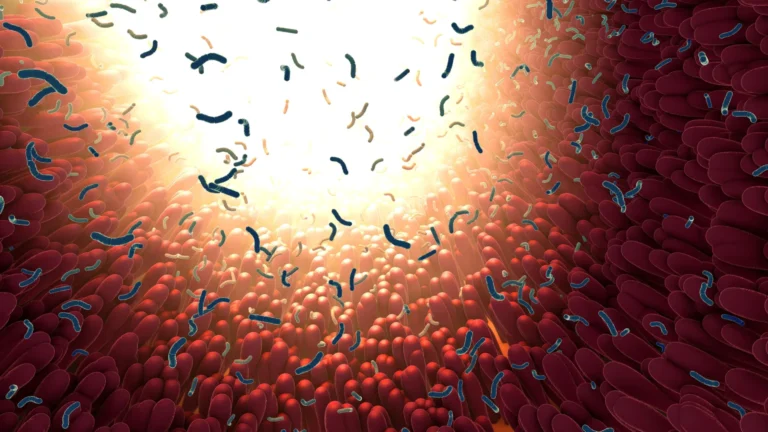
At the heart of the research is the concept of cellular senescence. Under normal circumstances, cells follow a life cycle of division, function, and programmed death. However, when cells are subjected to chronic stress, they can enter a state of suspended animation known as senescence. They stop dividing, but they refuse to die.
These "zombie cells," as they are colloquially known, remain metabolically active, secreting a cocktail of inflammatory proteins and signaling molecules that disrupt the function of neighboring healthy cells.
"Senescent cells are fairly rare, but think of them like a broken-down car on the 405 freeway," explains Anthony Covarrubias, senior author of the study and a member of the Eli and Edythe Broad Center of Regenerative Medicine and Stem Cell Research at UCLA. "Just one stalled car can back up traffic for miles. Now imagine five or ten of them slowly accumulating. That’s what these cells do to a tissue: even a small number causes enormous disruption."
Solving the Macrophage Mystery
For years, the scientific community remained divided over whether macrophages—the body’s "garbage collectors" that patrol tissues to clear debris and fight infection—could become senescent. Because healthy, activated macrophages often exhibit molecular features similar to those found in senescent cells, distinguishing between a hardworking immune cell and a dysfunctional, inflammatory one proved to be an immense technical hurdle.
The UCLA team successfully bypassed this confusion by identifying a unique molecular "barcode." Through extensive genomic analysis, the researchers determined that the co-expression of two specific proteins, p21 and TREM2, serves as a reliable marker for senescent macrophages. These cells are no longer capable of performing their protective duties; instead, they serve as engines of chronic inflammation.
Using this new marker, the team observed a startling correlation between age and cellular dysfunction. In youthful liver tissue, only about 5% of macrophages exhibited this senescent signature. In older mice, however, that figure skyrocketed to between 60% and 80%, mirroring the well-documented increase in chronic liver inflammation that accompanies human aging.
Cholesterol: The Hidden Catalyst
The research further identifies diet as a potent driver of this biological decline. While aging is a primary factor, the team discovered that excess LDL cholesterol forces healthy macrophages into a premature senescent state.
In laboratory experiments, when researchers exposed healthy macrophages to high levels of LDL, the cells abruptly ceased division and began the characteristic release of inflammatory proteins, mirroring the p21-TREM2 signature found in aging mice.
"Physiologically, macrophages can handle cholesterol metabolism," explains Ivan Salladay-Perez, the study’s lead author and a graduate student in the Covarrubias lab. "But in a chronic state, it’s pathological. When you look at fatty liver disease, which is driven by overnutrition and too much cholesterol in the blood, that excess cholesterol appears to be a major driver of the senescent macrophage population."
This discovery raises a sobering question: do high-fat, high-cholesterol diets accelerate biological aging across the entire body? The implications extend far beyond the liver, suggesting that these dietary habits may be inducing macrophage senescence in vital organs such as the heart, brain, and adipose tissue, potentially accelerating the development of a host of age-related diseases.
Reversing the Damage: The Power of Targeted Clearance
To determine if these cells were truly the "culprit" behind metabolic decline, the researchers utilized a senolytic compound known as ABT-263. This drug is specifically designed to target and eliminate senescent cells.
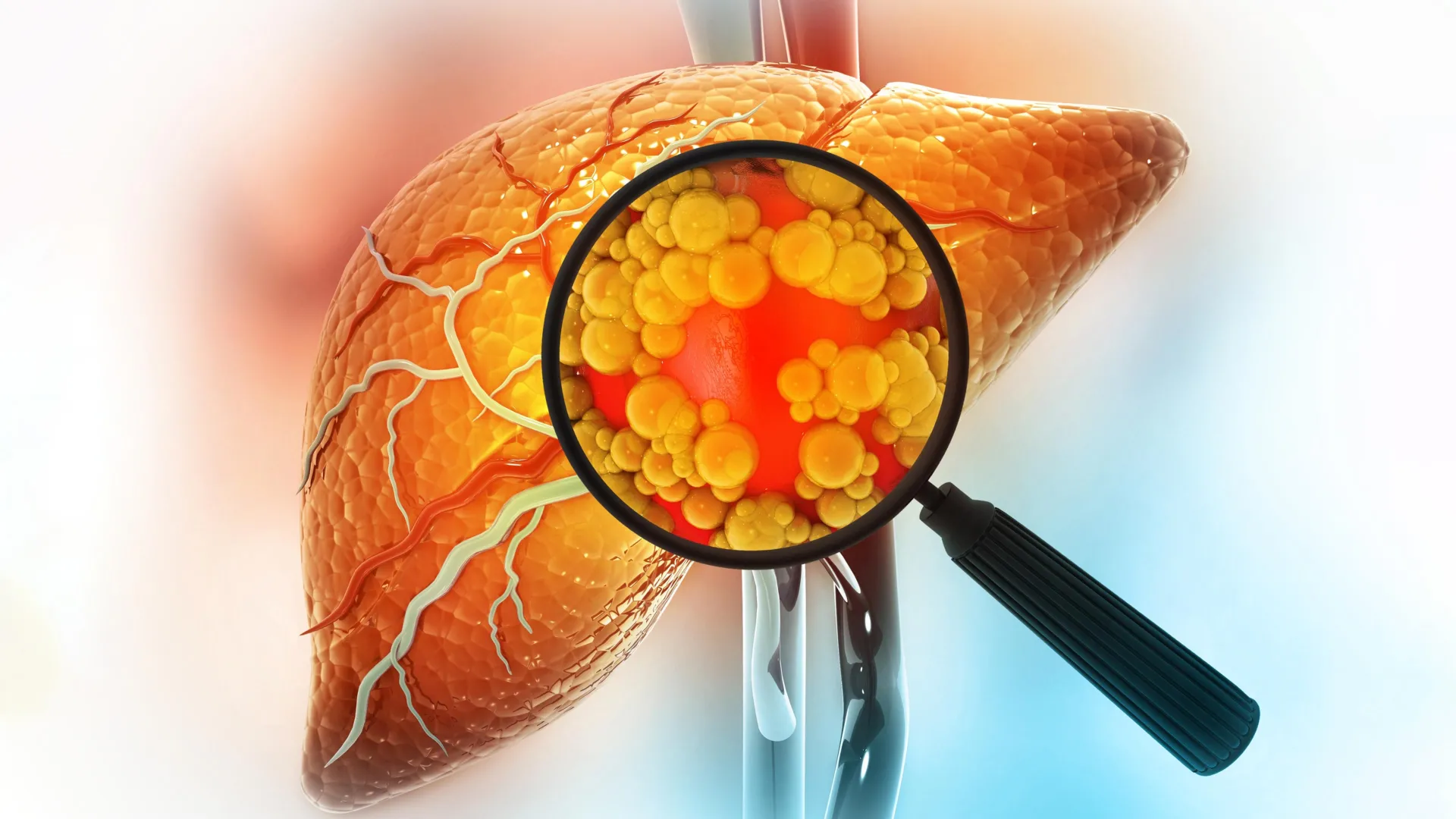
The results were transformative. In mice fed a high-fat, high-cholesterol diet, the elimination of senescent macrophages triggered a rapid systemic recovery. Liver mass, which had become significantly enlarged due to fat accumulation, returned to a near-normal state. Even more striking was the impact on total body weight, which dropped by approximately 25% following treatment.
Visual inspection of the treated livers revealed a profound change: the formerly enlarged, yellowish, fatty organs had regained their healthy, deep-red color and structure. "That’s what wowed me," said Salladay-Perez. "Eliminating senescent cells doesn’t just slow the fatty liver—it actually reverses it."
Bridging the Gap to Human Medicine
The team sought to validate these findings by examining human liver biopsy datasets. The results confirmed their laboratory observations: the p21-TREM2 signature was significantly elevated in diseased human livers compared to healthy ones, suggesting that macrophage senescence is a conserved mechanism of human pathology.
This is particularly relevant for urban centers like Los Angeles, where fatty liver disease has reached epidemic proportions. Estimates suggest that 30% to 40% of the local population may be affected, with disproportionately higher rates in Latino communities. Currently, the medical community lacks effective, non-invasive treatments for the condition, making early detection and intervention difficult.
"This is a huge public health crisis in the making," says Covarrubias. "We’re seeing fatty liver disease in younger and younger people. So we’re really happy to make some inroads into understanding what’s driving it and identifying cell types we might be able to target."
Future Directions: Safety and Systemic Impact
While the efficacy of ABT-263 in mice is undeniable, the drug is currently too toxic for human use. The UCLA team is now pivotting toward a secondary phase of research: identifying safer, more precise compounds that can strip away senescent macrophages without inducing systemic side effects.
Furthermore, the team is expanding their scope to investigate whether similar mechanisms underpin other age-related neurological and systemic conditions. For instance, they are currently examining whether microglia—the specialized macrophages of the central nervous system—undergo a similar senescence process in the presence of the cellular debris associated with Alzheimer’s disease.
Implications: A New Era of Geroscience
The UCLA study provides robust support for the "geroscience hypothesis," the radical notion that aging is not a collection of independent, inevitable declines, but rather a biological process driven by shared, underlying mechanisms. By identifying the specific role of senescent macrophages, researchers are shifting the paradigm from treating symptoms to addressing the root cause of inflammation.
"If you really understand the basic mechanisms driving inflammation with aging, you can target those same mechanisms to treat not just fatty liver disease, but atherosclerosis, Alzheimer’s, and cancer," says Salladay-Perez. "It all goes back to understanding how these cells arise in the first place."
As the scientific community continues to map the pathways of cellular aging, the dream of "healthspan extension"—not just living longer, but living healthier—feels increasingly achievable. While human trials remain on the horizon, the ability to reverse established disease in a laboratory model marks a pivotal milestone in modern medicine.
The research was supported by prestigious institutions including the National Institutes of Health, the Glenn Foundation for Medical Research, the American Federation for Aging Research, and the UCLA-UCSD Diabetes Research Center. As these findings move through the peer-review and clinical-trial pipelines, they offer a beacon of hope for millions struggling with the metabolic consequences of a modern, high-calorie world.