The landscape of respiratory care has been profoundly shaped by the pioneers who dared to envision a more standardized, evidence-based, and compassionate profession. At the epicenter of this evolution stands the Jimmy A. Young Award, the most prestigious honor bestowed by the American Association for Respiratory Care (AARC). Named in honor of the late AARC president—a man whose life was synonymous with dedication to the field—the award serves as the ultimate recognition for individuals who have provided sustained, transformative contributions to respiratory therapy.
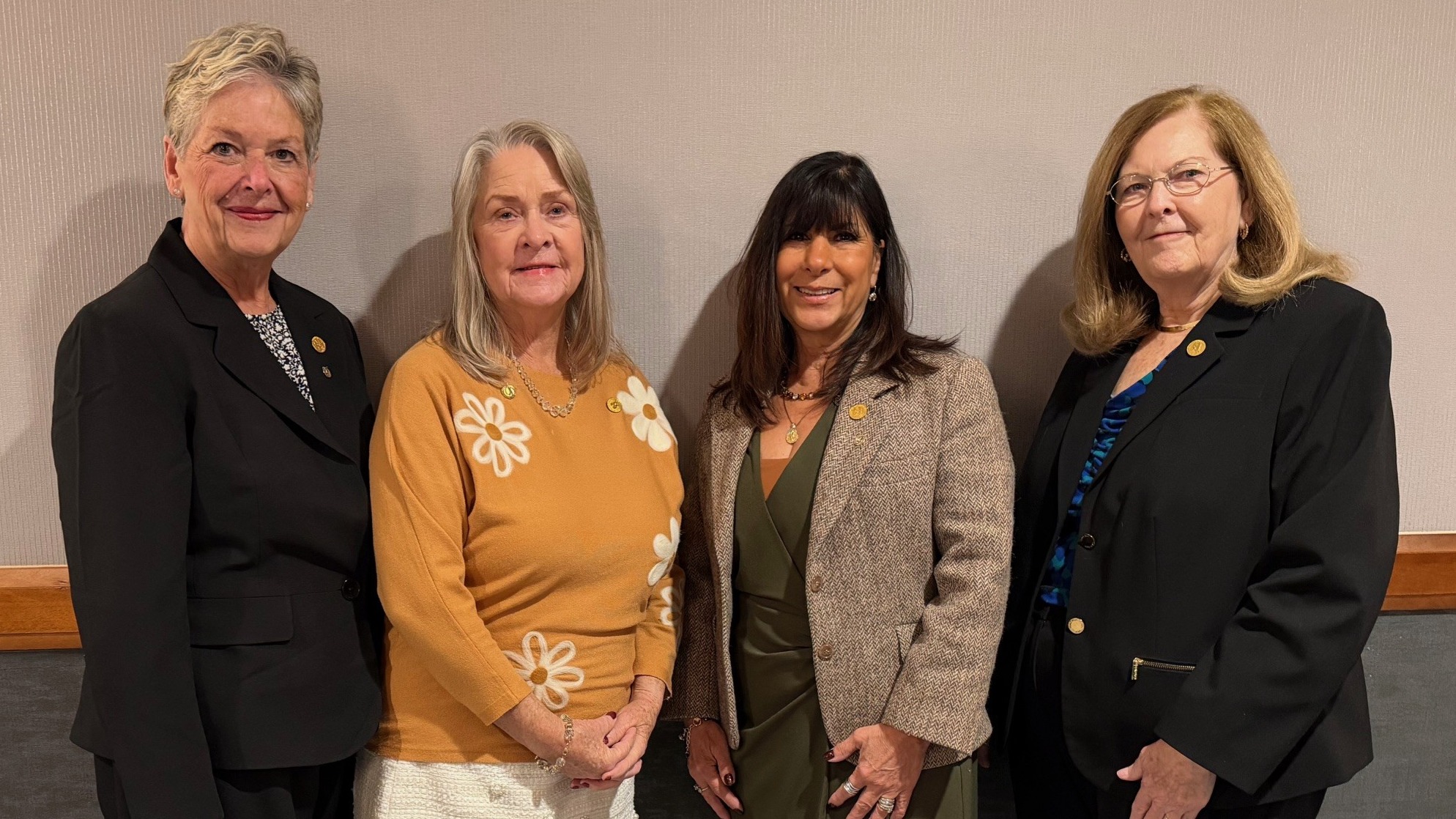
In a recent, exclusive retrospective, Lisa Weisenberger, AARC Director of Content and Communications, facilitated a powerful dialogue with four of the five women who have received this distinguished accolade: Dianne Lewis, MS, RRT, FAARC (2025); Trudy Watson, BS, RRT, FAARC (2018); Margaret Traband, MEd, RRT, FAARC (2011); and Teresa Volsko, MBA, MHHS, LSSBB, RRT, FAARC (2020). (The fifth recipient, Louise Julius, was honored in 1988 alongside her husband, John). This conversation transcended the technical aspects of the job, delving into the nuances of gender dynamics in high-stakes medicine, the structural evolution of the profession, and the imperative of mentorship for the next generation.
A Legacy of Service: The Foundation of Excellence
For the recipients of the Jimmy A. Young Award, the path to national recognition was rarely a deliberate climb toward a trophy. Rather, it was a byproduct of an unwavering commitment to service.
Dianne Lewis, the 2025 honoree, traces her professional journey back to the grassroots efforts within the House of Delegates. Her influence became national in scope through her leadership on the Clinical Practice Guidelines Steering Committee. "My group wrote and published the first clinical practice guideline for the association," Lewis recalled. This milestone was not merely an academic exercise; it was the foundation upon which the standardization of respiratory care across the United States was built, ensuring that a patient in a rural clinic received the same high-quality care as one in a major metropolitan hospital.
Margaret Traband, who has been an AARC stalwart since 1972, emphasized that the most effective leadership often finds its roots in the local soil. "We began with our state societies," she noted. "You don’t do it looking for what else you need to check off a list to get an award. You’re just moving ahead where you think you can do the most good." This philosophy—of acting locally to serve the profession globally—remains a cornerstone of the award’s legacy.
Chronology: The Evolution of Women in Respiratory Leadership
The history of the Jimmy A. Young Award is a microcosm of the broader history of women in medical leadership. While respiratory therapy as a clinical discipline has long been populated by a significant percentage of women, the executive and policy-making echelons were, for decades, predominantly male-dominated environments.
The Early Years (1970s–1980s)
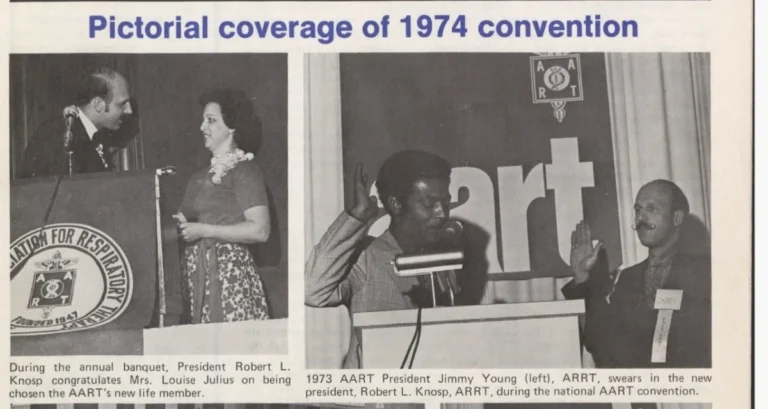
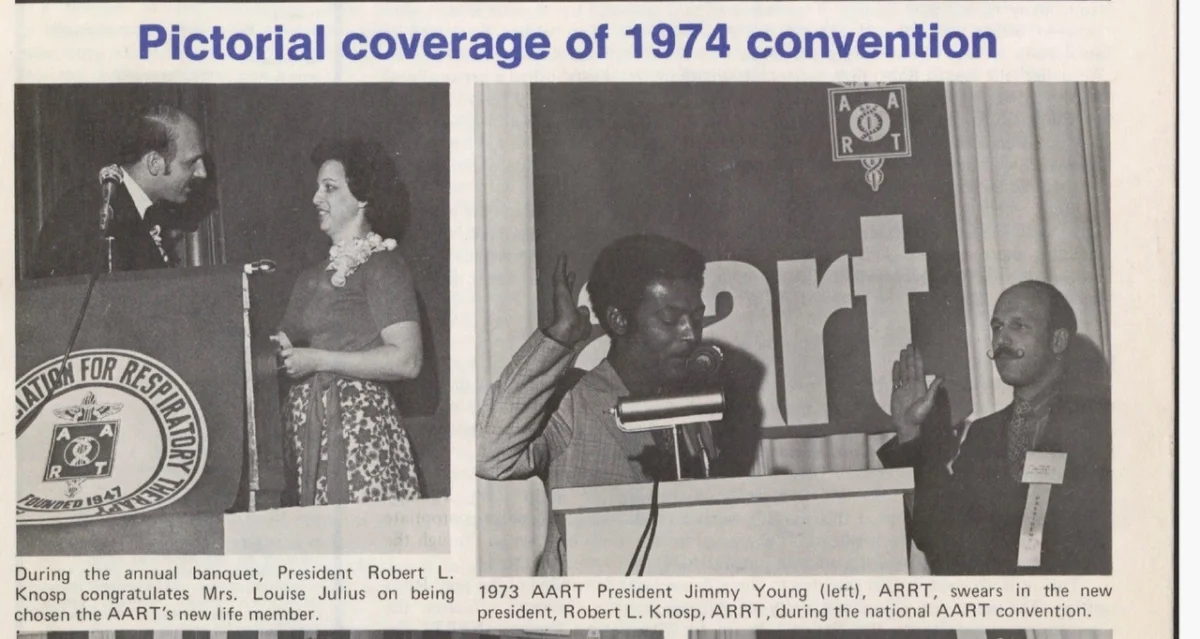
In the 1970s, the profession was in its infancy of formal regulation and standardization. Women like Margaret Traband were already active in local chapters, laying the groundwork for future advocacy. In 1988, the profession saw a pivotal moment when Louise Julius became the first woman to receive the Jimmy A. Young Award, sharing the honor with her husband. This era was characterized by "breaking the seal" on participation in professional governance.
The Middle Era (1990s–2010s)
As the field matured, the necessity for specialized leadership became apparent. During this time, the focus shifted from simple participation to the development of rigorous clinical guidelines and educational standards. Trudy Watson, the 2018 recipient, highlighted that the journey through these decades was often an uphill battle against invisible barriers.
The Modern Era (2020–Present)
The most recent recipients, including Teresa Volsko (2020) and Dianne Lewis (2025), represent a shift toward a more inclusive, mentor-focused culture. The narrative has moved from "surviving in a man’s world" to "creating a new world for everyone."
Supporting Data: The Shifting Demographics of Influence
While the workforce remains predominantly female, the distribution of influence was historically restricted by institutional inertia. During the roundtable, Trudy Watson shared sobering data points regarding the trajectory of female leadership within medical societies.
Historically, women faced a "scarcity mindset" regarding leadership positions. In 1979, the cultural expectation was that if a woman was invited to the proverbial "table" of decision-makers, she was expected to be the exception rather than the rule. Teresa Volsko, speaking on the cultural shift, noted, "If you were invited to the table, you didn’t dare bring another woman up with you because there were only one or two seats. Now, we have the power to change that landscape from being competitive to really lifting each other up."
This data-backed shift in behavior—from gatekeeping to sponsorship—is perhaps the most significant structural change in the history of the AARC. It has allowed the profession to double its intellectual capital by actively grooming a diverse pool of future leaders.
Official Perspectives: A Roadmap for the Next Generation
When asked for counsel for the modern respiratory therapist, these four titans of the industry offered a roadmap that balances clinical mastery with strategic professional positioning.
1. The Power of Strategic Networking
Trudy Watson emphasized that clinical skill alone is not enough to drive systemic change. "Get involved so your name is known and you are trusted within your own organization," she advised. She advocates for looking beyond the hospital walls to organizations like the American Lung Association, arguing that true leadership requires a cross-pollination of ideas between different sectors of healthcare.
2. The Mandate of Over-Preparation
For Margaret Traband, the "Journal Clubs" of the 1970s serve as a model for the modern era. In an age of rapid information turnover, she insists that being over-prepared is the baseline, not the goal. "You have to be well-versed, so you don’t come off half-prepared," she remarked. This emphasis on deep, evidence-based knowledge is what sustains a career over decades.
3. Leading from the Bedside
Teresa Volsko provided a crucial reminder for those who feel that "leadership" is a title that comes from a corporate office. "Don’t let the fact that you have the title of a clinical respiratory therapist stop you from doing great things. Lead where you are," she stated. Her perspective suggests that the most impactful leadership is often found in the direct delivery of care, where influence is wielded through example and peer-to-peer inspiration.
Implications: Addressing the Future of the Profession
The profession of respiratory therapy stands at a crossroads, balancing explosive demand for services with the physical and emotional limitations of its workforce.
Workforce Sustainability
Dianne Lewis noted that the next decade presents unprecedented job opportunities. However, the profession faces a significant "pipeline challenge." As Trudy Watson pointed out, the struggle to attract students into classrooms is a critical threat to meeting the healthcare needs of an aging, post-pandemic population.
The Burnout Crisis
Perhaps the most poignant portion of the discussion addressed the post-pandemic burnout that has plagued healthcare professionals. Margaret Traband offered a vital perspective for those currently in the trenches: "The further away you get from the bedside, the less positive reinforcement happens. Take the time to reflect at the end of the day. Know that you’ve alleviated breathlessness and calmed patients. Steep in that moment." This focus on the "why" of the profession is deemed essential for the long-term retention of talent.
The Path Forward
The Jimmy A. Young Award is far more than a symbolic trophy; it serves as a testament to a lifetime of advocacy, clinical innovation, and structural change. As demonstrated by the experiences of Lewis, Watson, Traband, and Volsko, the future of respiratory care is inextricably linked to the ability of the next generation to embrace the mantle of leadership. It requires a blend of clinical excellence, the courage to advocate for systemic change, and the commitment to mentorship that ensures no one has to fight for a seat at the table alone.
In conclusion, the evolution of the AARC reflects the broader journey of American medicine. By moving toward a model of collaborative leadership, the profession has ensured that it is not only prepared to treat the respiratory health of the nation but is also equipped with the leadership necessary to navigate the complexities of 21st-century healthcare. For the new respiratory therapist, the path to excellence is clear: mastery of the craft, engagement with the professional community, and an unwavering commitment to the patient at the bedside.