In a move that has sparked significant concern among medical ethicists and trauma researchers, the U.S. Food and Drug Administration (FDA) recently granted marketing authorization for Modius Spero, a new neuromodulation device designed to treat Post-Traumatic Stress Disorder (PTSD) in adults. While the announcement was framed by the manufacturer, Neurovalens, as a breakthrough for millions of suffering individuals, a closer examination reveals a troubling lack of public data regarding the device’s actual efficacy and safety profile.
As the device prepares to enter a market of vulnerable trauma survivors—including a significant planned rollout for military veterans—the medical community is grappling with a fundamental question: Why has the public been denied access to the clinical trial results that supposedly justify this authorization?
Main Facts: Marketing Authorization Without Public Evidence
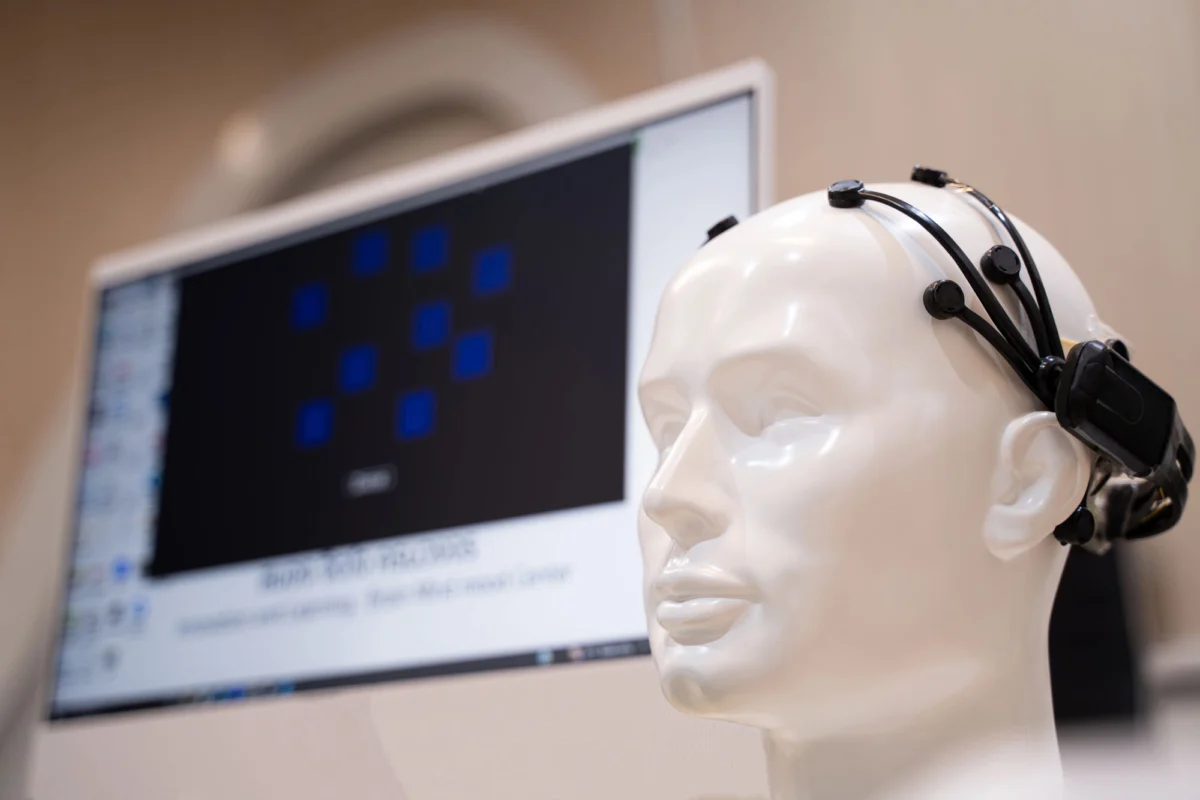
The core of the controversy surrounds the Modius Spero, a "transcranial nerve stimulation device" intended for home use. The device functions by delivering low-level electrical stimulation through the scalp to the brain, with a recommended usage of 30 minutes per day. On the surface, the FDA’s decision appears to offer a non-invasive alternative to traditional pharmacotherapy or psychotherapy for PTSD.
However, the authorization comes with a significant caveat: neither the FDA nor the manufacturer, Neurovalens, has released the primary data from the clinical trials used to secure this status. The only figure currently available to the public is a claim from a company press release stating that "two-thirds of participants using Modius Spero reported a clinically meaningful improvement in PTSD symptoms."
Critically, this "two-thirds" figure lacks context. In clinical research, the "active" group’s results are meaningless without a direct comparison to the "sham" or placebo group. In the case of Modius Spero, the public does not know how many participants in the control group also reported improvement—a common occurrence in neuromodulation trials due to the powerful nature of the placebo effect in psychiatric interventions. Furthermore, details regarding side effects, dropout rates, and the specific metrics used to define "clinically meaningful improvement" remain shielded from public view.
Chronology: From Clinical Trial to Market Authorization
The path of Modius Spero from development to the brink of commercial sale follows a timeline that highlights the rapid nature of the FDA’s De Novo regulatory pathway.
The Research Phase (2022–2024)
The clinical trial for Modius Spero (identified as NCT05242367 on ClinicalTrials.gov) began recruitment to test the safety and efficacy of the device on adults with PTSD. According to official records, the study concluded in early 2024. Despite the conclusion of the trial, the "Results" tab on ClinicalTrials.gov remains empty. Under federal law and standard scientific practice, results from such trials are typically expected to be published or at least summarized in a public registry to allow for peer review and transparency.
The FDA Decision (Late 2024)
Following the trial, Neurovalens sought marketing authorization through the FDA’s De Novo pathway. This pathway is specifically designed for novel medical devices that are considered "low to moderate risk" but for which there is no existing "substantially equivalent" device already on the market. Unlike the rigorous "Pre-Market Approval" (PMA) process required for high-risk (Class III) life-sustaining devices, the De Novo process allows for a more streamlined entry into the market.
Media Rollout and Future Sales (2024–2026)
Upon receiving authorization, Neurovalens issued a press release that was widely and uncritically disseminated by medical news outlets. These reports largely mirrored the company’s language, emphasizing the "two-thirds" success rate without questioning the absence of raw data. The device has already been priced at over $2,000, and current marketing strategies indicate a significant push toward the veteran population, with sales expected to be fully operational by July 2026.
Supporting Data: The Regulatory "Efficacy Gap"
To understand how a device can be authorized without public trial data, one must examine the nuance of FDA terminology. There is a frequent and dangerous conflation between "FDA Approval" and "FDA Marketing Authorization."
Approval vs. Authorization
- FDA Approval: Reserved for Class III medical devices (e.g., pacemakers). This requires "valid scientific evidence" to provide reasonable assurance that the device is safe and effective for its intended use.
- De Novo Marketing Authorization: Applied to Class II devices like Modius Spero. While the FDA "grants" authorization, the threshold for "efficacy" is often lower and more focused on "safety" and "general controls."
As noted by Dr. Katya Rubia, a lead investigator in neuromodulation studies, the regulatory hurdle for devices is often fundamentally different from that of pharmaceuticals. "The FDA attempts to approve devices based on safety, not efficacy," Rubia explains. "The main take-home message is that regulatory approval doesn’t mean a device works. It means it’s safe."
The Missing Statistical Context
The "two-thirds" claim is a classic example of "data cherry-picking" in the absence of a peer-reviewed paper. In psychiatric trials, several factors must be known to judge a device’s worth:
- The Sham Effect: Did 50% of the placebo group also improve? If so, the "two-thirds" (66%) success rate of the active group represents a marginal clinical benefit.
- The "Blind" Integrity: In electrical stimulation trials, participants can often feel the "tingle" of the electricity, making it easy to guess if they are in the active group. If the "blind" failed, the results are statistically compromised.
- Confounding Factors: Were participants also on antidepressants? Were they undergoing concurrent EMDR or CBT therapy? Without the study data, these variables are unknown.
Official Responses and the Failure of Journalistic Rigor
The response from official channels has been a combination of silence and boilerplate administrative language. The FDA’s public summary for the De Novo grant (DEN250013) provides a technical description of the device but lacks the granular data necessary for a physician to make an informed prescription.
The Silence of the Manufacturer
Neurovalens has pointed to the FDA’s grant as proof of their device’s legitimacy. However, when pressed by independent observers for the full clinical trial results, the company has deferred to the "proprietary" nature of its findings or the pending status of formal publications. This creates a "transparency vacuum" where a device is marketed to the public before the scientific community can vet the claims.
Media "Churnalism"
A significant portion of the blame for the public’s lack of information lies with the medical media. Outlets such as MedPage Today and Becker’s Hospital Review published articles that were essentially rewrites of the Neurovalens press release. By using the term "FDA Approved" instead of the correct "Marketing Authorization," these outlets provided the device with an unearned veneer of clinical certainty.
Furthermore, no major news outlet reported on the empty results page of ClinicalTrials.gov or the lack of a peer-reviewed publication. This failure to perform basic investigative due diligence allows companies to "science by press release," where the narrative of success is established long before the actual data can be scrutinized.
Implications: Risks to Desperate Populations
The implications of authorizing a $2,000 device based on hidden data are profound, particularly for the PTSD community. Trauma survivors are often in a state of extreme distress, making them vulnerable to "hope-marketing" for expensive, at-home cures.
Ethical Concerns for Veterans
The targeting of veterans is particularly sensitive. With the high rates of PTSD among those who have served, there is a ready market for any intervention that promises relief. If the device’s efficacy is eventually proven to be no better than a placebo, thousands of veterans—and the taxpayers who often fund their care—will have spent millions of dollars on a "technological placebo."
The Precedent of Monarch eTNS
This is not the first time the FDA has allowed a neuromodulation device onto the market with questionable evidence. The Monarch eTNS device, authorized for ADHD in children, followed a similar path. Despite later studies suggesting the device was ineffective, its FDA clearance remained intact. Former FDA reviewer Erick Turner has noted, "This is not the first time the FDA has approved an intervention with questionable efficacy. I harbor no illusions that the FDA would rescind approval."
The Need for "Informed Consent"
Informed consent is a cornerstone of medical ethics. For a patient to truly consent to a treatment, they must understand both the potential benefits and the risks. When the data on side effects (such as increased distress, sleep disruption, or suicidal ideation) and the comparison to placebo are withheld, true informed consent becomes impossible.
Conclusion
The granting of marketing authorization for Modius Spero represents a systemic failure in the checks and balances of medical regulation and health journalism. While the device may indeed hold promise, the refusal to release the underlying data creates a culture of "trust us" medicine that serves manufacturers better than it serves patients.
Until the clinical trial results are published in full, including the outcomes for the control group and a detailed safety analysis, Modius Spero remains an unproven commodity. For the millions of adults living with PTSD, the search for relief continues—but they deserve to know if the "breakthrough" they are being sold is a genuine scientific advancement or merely a well-marketed electrical signal in the dark.