For decades, the fitness industry has sold a singular, persistent narrative: if you want to lose belly fat, you must perform endless crunches. From glossy magazine covers to late-night infomercials, the “spot reduction” myth has dictated the workouts of millions. However, as we cross the age of 55, the physiological realities of our bodies change, and our approach to fitness must evolve accordingly.
If you have spent years tethered to an exercise mat, straining your neck to perform sit-ups in hopes of achieving a flatter stomach, you are not alone—but you are likely misdirecting your efforts. Science has made it clear that the dream of “spot reduction” is a myth. To effectively address the “belly pooch” in your mid-fifties and beyond, you must shift your focus from repetitive abdominal isolation to metabolic, full-body conditioning.
The Myth of Spot Reduction and the Science of Fat Loss
The concept of spot reduction suggests that by exercising the muscles in a specific area, you can burn the fat covering those muscles. Research consistently debunks this. Studies published in journals such as the National Center for Biotechnology Information indicate that training your abdominals will no more selectively burn fat from your stomach than bicep curls will strip fat from your arms.
Fat loss is a systemic process. When the body requires energy, it pulls from fat stores throughout the entire system, governed by genetics, hormonal balance, and caloric deficit. After age 55, this process becomes more nuanced due to the natural decline in metabolic rate and the onset of sarcopenia—the age-related loss of muscle mass.
“Despite what many fitness headlines suggest, crunches are not the most effective exercise for reducing a ‘belly pooch,’” explains James Brady, a certified personal trainer (CPT) at OriGym. “If the goal is to lose body fat and strengthen the midsection after 55, full-body movements tend to deliver far greater benefits. You need to look at the body as a kinetic chain, not a collection of isolated parts.”
The Physiological Shift After 55: Combatting Sarcopenia
As we enter our mid-fifties, the body undergoes significant hormonal and metabolic changes. Muscle mass naturally begins to decline, a process that can lead to a slower metabolism and, consequently, an increase in visceral fat storage—the fat that accumulates around the midsection and internal organs.
Strength training is no longer a luxury for aesthetics; it is a medical necessity for longevity. By engaging in full-body resistance training, you increase your resting metabolic rate (RMR), allowing your body to burn more calories even while at rest. This, combined with a balanced nutritional approach, is the only sustainable path to a leaner, stronger midsection.
Five Essential Movements for Total Body Transformation
To move away from ineffective isolation exercises, you should incorporate compound movements. These exercises require multiple muscle groups to work in harmony, maximizing energy expenditure and structural stability. Below are five foundational bodyweight moves recommended by James Brady that provide a superior alternative to the crunch.
1. Bodyweight Squats: The Foundation of Metabolism
Squats are the "king" of functional movement. By utilizing the largest muscle groups in the body—the quads, glutes, and hamstrings—you create a significant metabolic demand.
- The Impact: Beyond burning calories, squats improve lower-body mobility, which is crucial for maintaining independence as you age.
- The Core Connection: You cannot perform a proper squat without bracing your core. This constant tension builds a stable, functional midsection that supports the spine.
2. Mountain Climbers: The Dynamic Core Burner
If you want to simulate the intensity of a cardio session while training your abs, mountain climbers are the answer. This exercise forces your core to stabilize your torso while your legs perform a running motion.
- The Impact: By elevating the heart rate, you move into a cardiovascular training zone that encourages fat oxidation.
- The Core Connection: Every time you drive a knee toward your chest, your rectus abdominis and obliques must engage to keep your hips from sagging.
3. Push-Ups: More Than Just Upper Body
Often misunderstood as purely a chest and arm exercise, the push-up is, in essence, a moving plank.
- The Impact: By maintaining a rigid, straight line from your head to your heels, you force your entire core to engage to prevent your lower back from arching. This recruits the chest, shoulders, triceps, and the deep stabilizers of the transverse abdominis.
- The Core Connection: It builds the “bracing” strength required for daily tasks, such as lifting groceries or rising from the floor.
4. The Plank: Master of Core Endurance
Unlike crunches, which involve repetitive spinal flexion (a motion that can be problematic for those with back issues), the plank is an isometric exercise. It teaches the core to resist movement—the true anatomical purpose of the abdominal wall.
- The Impact: Developing core endurance is vital for posture. A strong, tight core acts as a natural corset, pulling the midsection in and preventing the “slumped” posture that often contributes to the appearance of a belly pooch.
- The Core Connection: Planks build the stamina necessary to maintain proper alignment throughout the day, whether you are sitting at a desk or walking.
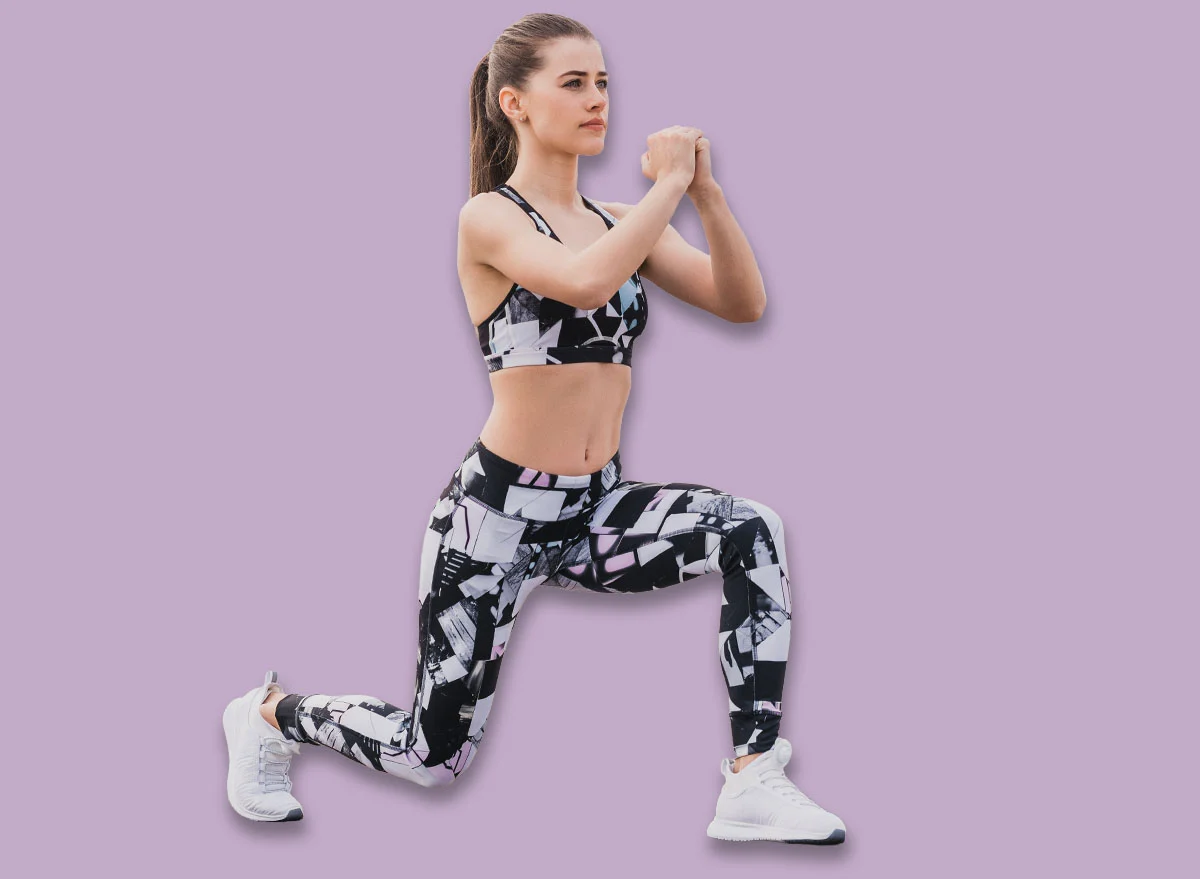
5. Walking Lunges: Stability and Coordination
Walking lunges are a bilateral-to-unilateral transition exercise. By working one leg at a time, you force your body to compensate for instability.
- The Impact: This movement is excellent for balance and fall prevention. As we age, stability becomes the primary marker of physical health.
- The Core Connection: The requirement to remain upright while moving through space demands constant engagement of the obliques and deep core stabilizers.
Implications for Long-Term Health
The transition from "crunch-centric" workouts to full-body training is a paradigm shift. It requires letting go of the outdated idea that we can dictate where our bodies lose weight and embracing the reality that a strong, healthy midsection is a byproduct of total-body vitality.
Strategic Integration
For those over 55, consistency outweighs intensity. A sample routine might look like this:
- Warm-up: 5 minutes of brisk walking or light joint rotations.
- Circuit: 3 rounds of 10–12 repetitions for each of the five moves above.
- Frequency: Perform this routine 3 days a week, allowing for recovery days in between to allow muscle tissue to repair and grow.
The Role of Nutrition
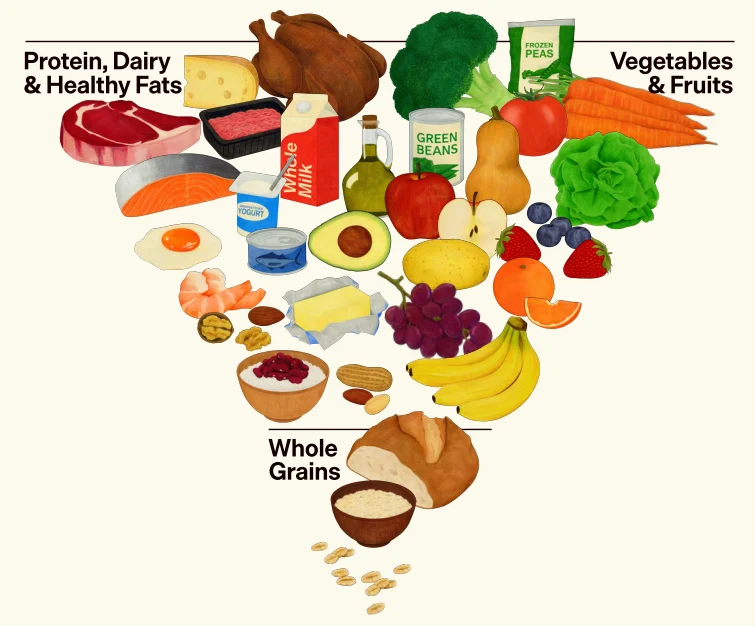
It is important to emphasize that no amount of exercise can outrun a poor diet. As you age, your protein requirements increase to combat sarcopenia. Prioritizing high-quality protein (lean meats, legumes, or plant-based proteins) and fiber-rich vegetables will provide the fuel necessary to sustain these workouts while naturally keeping you fuller for longer, assisting in the fat-loss process.
Final Thoughts: Changing the Narrative
The “belly pooch” is often not just a matter of fat, but a matter of muscle tone, posture, and systemic health. By moving away from the floor-based crunch and into dynamic, functional movements, you are doing more than just trying to change your appearance—you are investing in your mobility, your balance, and your metabolic health.
When you reach 55, the goal shouldn’t just be to look good in a mirror; it should be to feel capable, strong, and energized. By choosing full-body compound movements, you are building a body that is resilient against the challenges of aging, ensuring that your midsection isn’t just thinner, but stronger and more supportive of your active lifestyle.
Remember, progress in your fifties is measured by how you move through the world, not by how many crunches you can perform in a minute. Embrace the full-body approach, stay consistent, and let your body’s natural metabolic efficiency take the lead.