










In a move that has sparked both hope for trauma survivors and sharp criticism from medical transparency advocates, the U.S. Food and Drug Administration (FDA) recently granted marketing authorization for Modius Spero, a first-of-its-kind neuromodulation device designed to treat Post-Traumatic Stress Disorder (PTSD) in adults. Developed by the medical technology company Neurovalens, the device represents a significant shift toward at-home, non-invasive psychiatric interventions.
However, the celebratory atmosphere surrounding the announcement has been tempered by a glaring omission: neither the FDA nor Neurovalens has released the comprehensive clinical trial data used to justify the authorization. As the device prepares to enter a market of desperate patients—including a significant population of military veterans—questions are being raised about the efficacy of the device, the rigor of the regulatory process, and the media’s role in vetting medical breakthroughs.
Main Facts: What is Modius Spero?
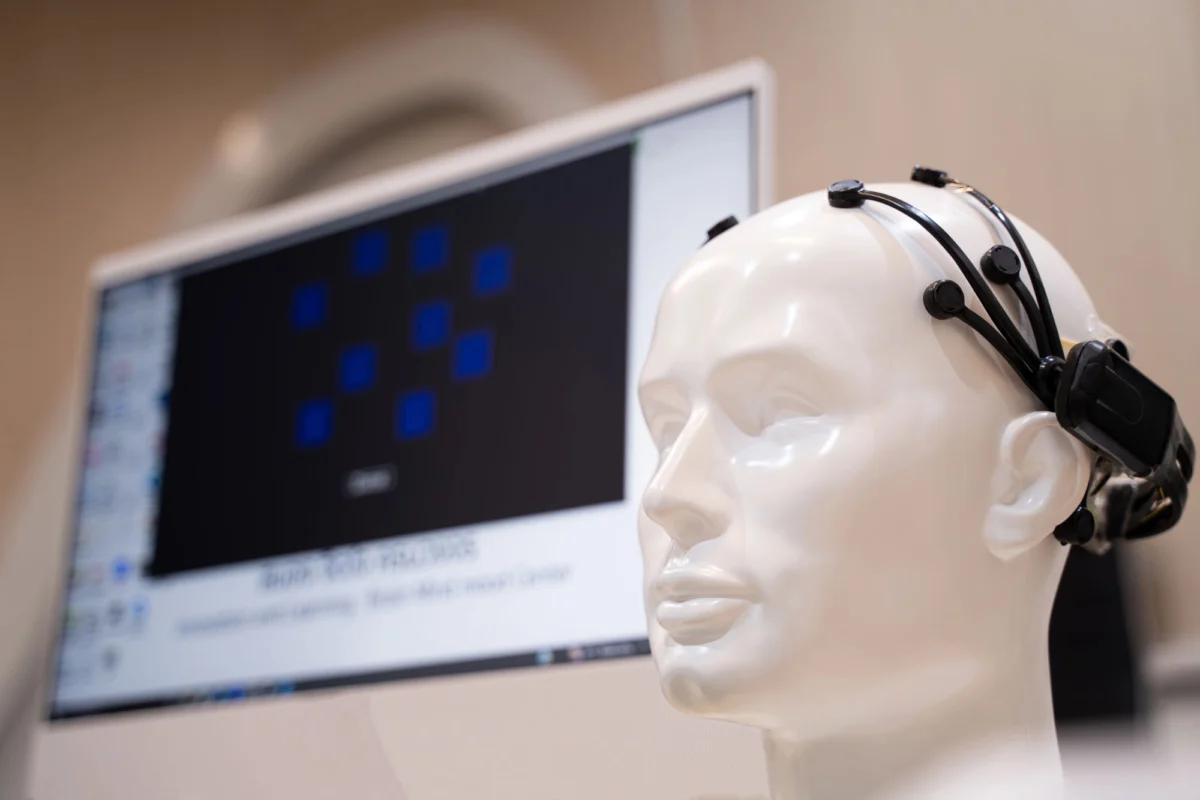
Modius Spero is a "transcranial nerve stimulation device" designed for home use. Unlike traditional pharmacological treatments or intensive psychotherapy, the device utilizes a headset to deliver low-level electrical stimulation through the scalp. According to the manufacturer, the technology is intended to modulate the activity of the brain’s vestibular nerve, which in turn influences the hypothalamus and other areas of the brain associated with stress, anxiety, and autonomic regulation.
The prescribed treatment involves wearing the device for 30 minutes per day. The FDA’s decision to grant marketing authorization via the De Novo pathway classifies it as a Class II medical device. This pathway is specifically reserved for "novel" devices that are of low-to-moderate risk and for which there is no legally marketed predicate device.
While the "novelty" of the device is undisputed, its price point and target demographic have drawn scrutiny. Modius Spero is expected to retail for over $2,000, and Neurovalens has explicitly targeted the veteran community, with plans to begin sales to veterans as early as July 2026. Given the high prevalence of PTSD among former service members and the substantial costs involved, the lack of public-facing data regarding the device’s actual performance has become a point of contention.
Chronology of Development and Authorization
The path to authorization for Modius Spero followed a standard corporate-regulatory timeline, yet it remains shrouded in data silos.
- Clinical Development (2021–2024): Neurovalens initiated clinical trials (identified as NCT05242367 on ClinicalTrials.gov) to evaluate the safety and efficacy of the device in treating PTSD symptoms. The study was designed as a randomized, sham-controlled trial—the gold standard for medical device testing.
- Study Completion (Early 2024): According to regulatory filings and company statements, the primary study concluded in early 2024. Despite the study’s conclusion, the results were not immediately published in peer-reviewed journals, nor were they updated on the federal ClinicalTrials.gov database.
- The FDA Grant (2024): Following a review of the internal data provided by Neurovalens, the FDA granted marketing authorization (DEN250013). This allowed the company to legally market the device in the United States for the treatment of PTSD.
- The Media Rollout: Following the FDA’s decision, a wave of media coverage ensued. Outlets ranging from medical trade journals to general news sites reported the "breakthrough," largely echoing a press release issued by Neurovalens.
- Targeted Market Entry (2024–2026): With the authorization in hand, the company began finalizing its commercialization strategy, focusing on a 2026 rollout for the veteran market, while critics began pointing out the lack of verifiable data.
Supporting Data: The "Two-Thirds" Mystery and the Absence of Proof
The central controversy surrounding Modius Spero lies in the difference between "marketing claims" and "scientific evidence." The primary figure circulating in the media—and the one provided by Neurovalens—is that "two-thirds of participants using Modius Spero reported a clinically meaningful improvement in PTSD symptoms."
To a layperson or a desperate patient, "two-thirds" sounds like a resounding success. However, from a scientific and journalistic perspective, this number is functionally meaningless without context. Several critical data points remain missing:
The Sham Control Problem
In any neuromodulation study, the "placebo effect" is significant. Patients often feel better simply because they are using a high-tech device and receiving attention from clinicians. To prove a device works, the "active" group must perform significantly better than the "sham" (placebo) group. As of now, the public does not know the improvement rate of the sham group. If 60% of the sham group improved while 66% of the active group improved, the device’s actual therapeutic benefit would be negligible.
Definition of "Clinically Meaningful"
There are various scales used to measure PTSD, such as the CAPS-5 (Clinically Administered PTSD Scale). Without the raw data, it is impossible to know what threshold Neurovalens used to define "meaningful improvement." Was it a minor reduction in symptoms or a life-altering remission?
Safety and Side Effects
While the FDA classifies the device as low-to-moderate risk, "low risk" does not mean "no risk." In psychiatric interventions, side effects can range from skin irritation and headaches to more severe issues like increased anxiety, sleep disturbances, or even suicidal ideation. None of this data has been made available to the clinicians who will eventually be asked to prescribe the device.
Participant Demographics
The company plans to sell the device to veterans, yet it is unclear how many veterans were actually included in the clinical trials. PTSD in a civilian context (e.g., resulting from a car accident) can present differently than combat-related PTSD, which is often characterized by moral injury and prolonged trauma.
Official Responses and the Failure of Media Oversight
The silence from official channels has been a primary driver of the current skepticism. The FDA, as a public institution, has a duty to provide the data that allows doctors and patients to make informed decisions. By granting authorization without requiring the public release of trial results, the agency effectively asks the public to "trust the process" without providing the means to verify it.
Furthermore, the media’s role in this rollout has been characterized as a significant journalistic failure. A review of reports from outlets like MedPage Today and Becker’s Hospital Review reveals a pattern of "churnalism"—the practice of rewriting press releases without independent investigation.
Many outlets erroneously reported that the device received "FDA Approval." In regulatory terms, "Approval" is a high bar reserved for Class III devices (like pacemakers) that require Premarket Approval (PMA). Modius Spero received "Marketing Authorization" or "Granting," a distinction that implies a different level of regulatory scrutiny. By failing to clarify this, or to ask why the trial data was missing from ClinicalTrials.gov, the media has arguably failed in its role as a watchdog.
Implications: Safety vs. Efficacy in the Medical Device Market
The situation with Modius Spero is not an isolated incident; it reflects a broader trend in how the FDA handles medical devices compared to pharmaceuticals. Historically, the FDA has focused more heavily on the safety of a device than its efficacy.
The Monarch eTNS Precedent
Critics point to the case of the Monarch eTNS device, which was cleared by the FDA to treat ADHD in children. Despite the clearance, independent researchers—including Katya Rubia, PhD, a lead investigator on a subsequent study—found the device to be ineffective. Rubia famously noted that "regulatory approval doesn’t mean a device works. It means it’s safe."
This creates a dangerous "gray market" where devices are legally sold for thousands of dollars based on the FDA’s seal of safety, while their actual ability to treat the condition remains questionable. For a $2,000 device like Modius Spero, the financial risk to the consumer (or the taxpayer, if purchased through the VA) is substantial.
The Ethics of Selling to the Vulnerable
PTSD is a debilitating condition that leaves patients desperate for relief. When the FDA authorizes a device for such a population, it carries an implicit endorsement. If that device is later found to be no more effective than a placebo, the harm is not just financial; it is a betrayal of trust that can further demoralize a population already struggling with mental health challenges.
The Need for Regulatory Reform
The Modius Spero case highlights the urgent need for transparency in the De Novo pathway. If a company claims a device is a "breakthrough," the data supporting that claim should be public property the moment the device hits the market. Without transparency, the medical device industry risks becoming a marketplace of "expensive placebos," where marketing budgets carry more weight than clinical outcomes.
Conclusion
The authorization of Modius Spero could be a landmark moment in the treatment of PTSD, offering a non-drug alternative for millions. However, until Neurovalens and the FDA release the full results of the clinical trials, including sham-group comparisons and detailed safety profiles, the medical community must remain cautious.
For a device priced at over $2,000 and aimed at those who have sacrificed the most for their country, "two-thirds" is not an answer—it is a starting point for a conversation that requires much more data than has currently been provided. Transparency is not an optional luxury in medicine; it is the foundation of patient safety and professional ethics. As it stands, the public is being asked to buy into a "black box" solution for a complex and painful disorder, a situation that serves the interests of shareholders far better than it serves the interests of survivors.