






Introduction: The Silent Epidemic of Chronic Back Pain
For millions of Americans, the simple act of taking a walk, grocery shopping, or standing to cook a meal has become an agonizing challenge. Spinal stenosis, a condition characterized by the narrowing of the spaces within the spine, places undue pressure on the nerves that travel through it. In Southwest Florida, a region with a high concentration of retirees and the aging "Baby Boomer" demographic, this condition has long been a significant barrier to quality of life.
However, a breakthrough medical intervention is offering new hope to residents in the Port Charlotte area. By utilizing a small, FDA-approved implant known as the Superion by Vertiflex, medical professionals are helping patients reclaim their mobility, bypass invasive traditional surgeries, and return to their daily routines with minimal recovery time.
Main Facts: Understanding Spinal Stenosis and the Superion Solution
The Nature of the Condition
Spinal stenosis is a degenerative condition that often manifests as the body ages. As the spinal canal narrows, it compresses the spinal cord and the nerve roots exiting the vertebrae. According to the American Academy of Orthopaedic Surgeons (AAOS), approximately 30 million Americans suffer from the debilitating effects of this condition. Symptoms frequently include radiating leg pain, numbness, tingling, and a profound weakness that makes walking or standing for extended periods nearly impossible.
The Innovation
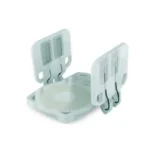
The Superion device is a spacer designed to act as an "indirect decompression" system. Unlike traditional laminectomies—which often involve the removal of bone or tissue and carry longer recovery windows—this procedure involves inserting a titanium implant between the spinous processes of the affected vertebrae. By gently spreading these bones apart, the device creates space for the nerves, effectively relieving the pressure that causes pain without the need for extensive structural alteration of the spine.
Chronology: A Timeline of Clinical Adoption
The journey of this technology from laboratory innovation to clinical practice in Southwest Florida follows a distinct path of regulatory approval and patient-centered implementation.
- 2015: FDA Approval. The U.S. Food and Drug Administration (FDA) officially approved the Superion Indirect Decompression System, marking a milestone in orthopedic and pain management care.
- 2016: Implementation in Port Charlotte. Dr. Robert Ball, a prominent local specialist, began performing the procedure in Port Charlotte, recognizing the critical need for a less invasive alternative for his aging patient base.
- 2017–2023: Widespread Adoption and Refinement. Over the past several years, the procedure has moved from a novel intervention to a standard of care for appropriate candidates in the region.
- Present Day: Port Charlotte remains a regional hub for this specialized care, with patients traveling from across Southwest Florida to seek relief through Dr. Ball’s practice.
Supporting Data: Patient Experiences and Clinical Outcomes
The Patient Perspective
The true efficacy of any medical procedure is best measured by the lives it restores. For Bernard Uhlmann and Karen Nagel, two Southwest Florida residents, the impact was life-altering.
Uhlmann, who suffered from severe leg pain that strictly limited his mobility, described his condition as a "drag" on his independence. For Nagel, the urgency was even greater; as the primary caregiver for her ailing husband, she could not afford to be sidelined by chronic pain. Both patients reported that the procedure provided a swift return to normalcy. Uhlmann noted that he would undergo the procedure "in a quick minute" again, highlighting the high satisfaction rate among recipients.
Clinical Efficiency
The procedure is noted for its efficiency. Lasting approximately one hour, it is performed in a manner that allows most patients to return home the same day. Because it is a minimally invasive procedure, it avoids the systemic stress of general anesthesia and prolonged hospital stays often associated with open-back surgery.
Furthermore, the procedure is completely reversible. If a patient’s condition evolves or if future interventions are required, the implant can be removed or adjusted, providing a layer of flexibility that is often absent in more traditional spinal surgeries.
Official Responses and Medical Expertise
The Expert View
Dr. Robert Ball, who has spearheaded the use of this technology in the Port Charlotte area, emphasizes the necessity of careful patient selection and transparent communication regarding risks. In professional medical discussions, Dr. Ball notes that while the procedure is minimally invasive, it remains a surgical intervention.
"Any time there is an incision or injection made, there is the risk of infection or bleeding," Dr. Ball stated. This candid approach ensures that patients are well-informed about potential side effects, regardless of how minor the procedure may be compared to traditional alternatives.
Insurance and Accessibility
A common barrier to advanced medical care is the financial burden. Fortunately, the Superion procedure has achieved broad coverage status. Dr. Ball confirms that the intervention is currently covered by most major insurance providers, as well as Medicare. This accessibility is vital for the region’s demographic, where a significant portion of the population relies on fixed incomes and government-backed health insurance to manage their healthcare needs.
Implications: The Future of Spinal Care in Southwest Florida
Reducing the Burden on the Healthcare System
The shift toward minimally invasive techniques like the Superion procedure has broader implications for the healthcare system in Southwest Florida. By reducing the reliance on inpatient hospital surgeries, providers can alleviate pressure on hospital resources, reduce the risk of hospital-acquired infections, and shorten the duration of post-operative care.
Enhancing Quality of Life for the Aging Population
As the Baby Boomer generation continues to age, the demand for orthopedic and spinal care will inevitably rise. The success of this procedure suggests a shift in focus: from aggressive, high-risk surgical interventions to restorative, minimally invasive solutions that prioritize the patient’s immediate ability to function.
For many in Southwest Florida, the ability to walk to the mailbox, garden, or care for a spouse is the difference between an active retirement and a sedentary, pain-filled existence. The availability of this technology in Port Charlotte serves as a beacon of progress in the treatment of chronic conditions.
A Model for Regional Care
The centralization of this expertise in Port Charlotte highlights the importance of specialized clinics in regional medical hubs. By concentrating high-level, minimally invasive technology in specific geographic locations, medical practices can ensure that patients receive consistent, high-quality outcomes. The "Port Charlotte model" of spinal care may well serve as a blueprint for other regions struggling with the increasing prevalence of spinal stenosis among the elderly.
Conclusion: Reclaiming Independence
The story of spinal stenosis treatment in Southwest Florida is one of technological adaptation and human resilience. While the condition itself is a formidable challenge, the integration of the Superion device has proven that chronic pain does not have to be a permanent sentence.
Through the efforts of practitioners like Dr. Robert Ball and the courage of patients like Bernard Uhlmann and Karen Nagel, the community has seen firsthand how modern medicine can bridge the gap between limitation and liberation. As research continues and technology evolves, the focus remains clear: providing safe, efficient, and accessible solutions that allow patients to stay in the "swing of things," regardless of their age or the challenges their bodies may face.
For those currently living with the pain of spinal stenosis, the message is one of optimism. Modern advancements have transformed what was once a life-limiting diagnosis into a manageable condition, ensuring that the golden years in Southwest Florida can be lived with the mobility and dignity everyone deserves.