











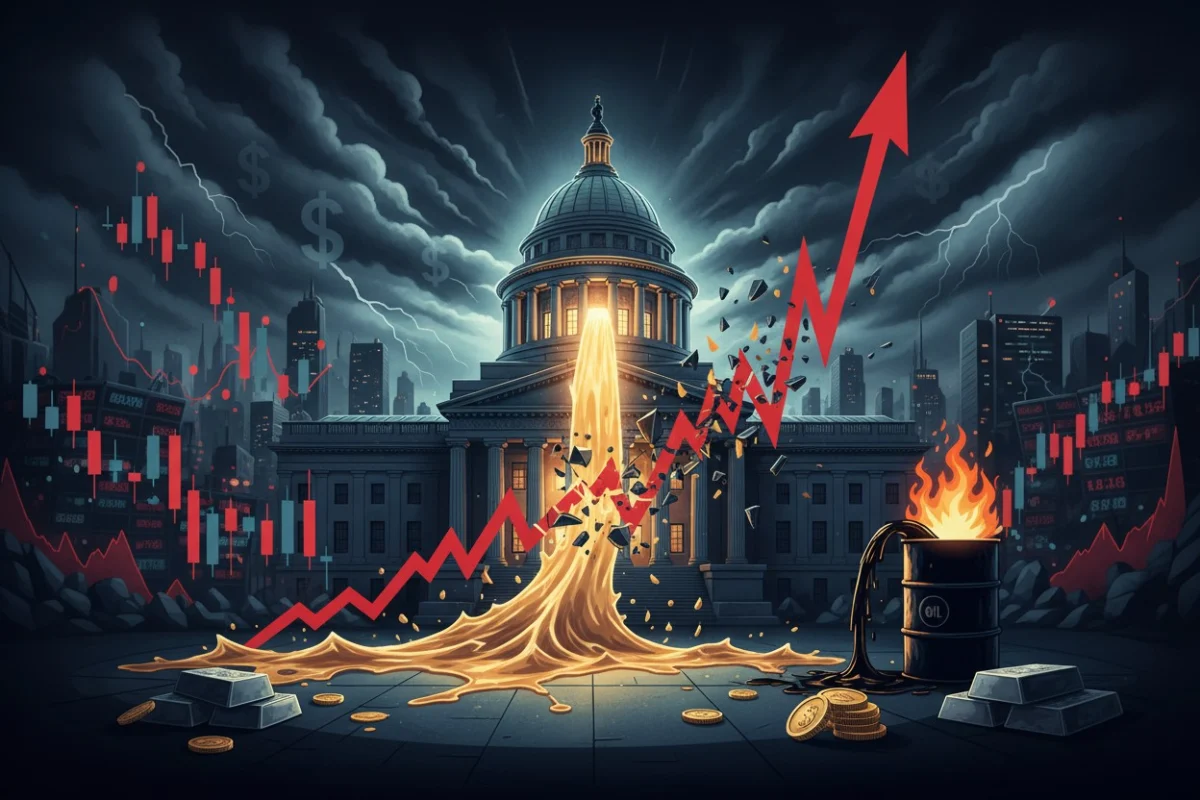
In a significant escalation of efforts to stabilize the volatile U.S. government bond market, the Department of the Treasury (USDT) announced on Wednesday, Sept. 9, that it would execute a buyback operation of up to $6 billion in long-dated government debt. This move, which triples the standard size of such operations, underscores the growing anxiety within the halls of government as Treasury yields continue their upward trajectory, threatening broader economic stability.
The announcement was met with a tepid response from the financial markets. Equities slumped, long-term Treasury yields remained stubbornly high, and Brent crude oil futures surged past the psychological threshold of $100 per barrel for the first time since July. For market observers, the Treasury’s maneuver is widely viewed as a desperate attempt to place a "ceiling" on soaring yields—a goal that many analysts fear may be beyond the reach of liquidity-focused interventions.
A Chronology of Escalation: From Rhetoric to Action
The path to this $6 billion operation began in earnest on Aug. 19, when Treasury Secretary Scott Bessent first signaled a shift in policy, pledging that the department would at least double its buyback activities. At the time, the market viewed the announcement as a measured response to liquidity concerns. However, the rapid deterioration of bond market conditions in the subsequent two weeks forced the Treasury’s hand.
By Tuesday, Sept. 8, the pressure had intensified. Speaking at a Southern Methodist University event in Texas, Secretary Bessent adopted a defiant tone, signaling the Treasury’s readiness to exert its influence. "I have asymmetric information. I am the house now," Bessent remarked, a statement that aimed to project authority but served to highlight the high-stakes nature of the department’s current posture.
The following morning, the USDT confirmed it would exceed its previous pledges, opting to triple the operation rather than merely double it. The buybacks were scheduled for Thursday, Sept. 10, targeting 10- and 20-year government bonds in a condensed 20-minute window ending at 2 p.m. Eastern Time. This tactical precision reflects a desire to maximize the "shock and awe" effect on the market, yet the underlying reality—that the Treasury is battling fundamental economic forces—remains unchanged.
Supporting Data: The Anatomy of a Market Slide
The financial data surrounding the decision paints a picture of a market under duress. As of 1:30 p.m. Eastern Time on the day of the announcement, the U.S. 10-year Treasury yield climbed to 4.833%. The 20-year yield pushed to 5.29%, while the 30-year yield flirted with the 5.3% level, a critical threshold that has historically signaled investor alarm.
The contagion spread quickly to the equity markets. The Dow Jones Industrial Average shed 325 points—a 0.6% decline—by mid-afternoon, while the S&P 500 and the Nasdaq fell 0.4% and 0.6%, respectively.
Market analysts at RBC Capital Markets had anticipated a $5 billion to $6 billion intervention as the "base case" scenario. Consequently, the Treasury’s move offered little in the way of a "surprise factor" that might have sparked a rally. Had the Treasury opted for a smaller $4 billion operation, it likely would have triggered a sell-off; conversely, an $8 billion package would have signaled a panicked deviation from the strategy outlined just two weeks prior. In this sense, the Treasury was caught in a "Goldilocks" trap: the chosen amount was high enough to be seen as aggressive, but too small to meaningfully alter the market’s trajectory.
Official Responses and the "Druckenmiller" Critique
The Treasury’s intervention has faced significant pushback from the investment community. Critics argue that while buybacks may temporarily enhance liquidity and provide minor support at the margins, they fail to address the systemic imbalances driving the sell-off.
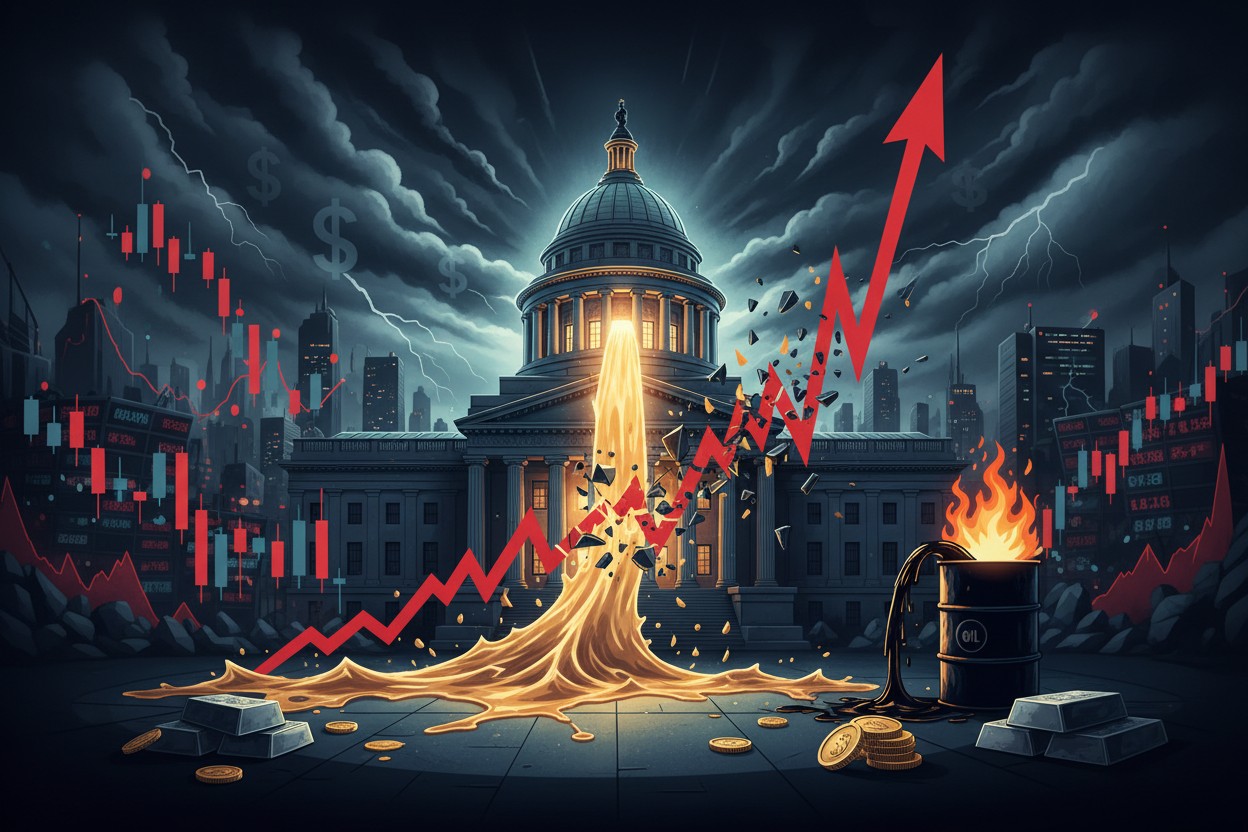
Mark White, a prominent wealth advisor at Mark White Wealth Advisors, noted that the market’s reaction demonstrates deep skepticism. "It’s simply not large enough to meaningfully change the fundamental forces driving long-term yields," White told the New York Post. "Inflation concerns, rising deficits, and the massive supply of Treasury debt are ultimately going to have a much greater influence on yields than a single buyback operation."
Perhaps the most stinging critique came from billionaire investor Stanley Druckenmiller. In a Wall Street Journal op-ed titled "Let the Bond Speak," Druckenmiller challenged the Treasury to move beyond tactical interventions. He argued that the only sustainable way to lower long-term yields is to address the nation’s primary deficit. His proposed remedy—a long-term, structural reform of entitlement programs through means testing and phased-in eligibility adjustments—stands in stark contrast to the Treasury’s short-term liquidity fixes. Notably, the debate over his piece also touched on the shifting nature of economic discourse, as Druckenmiller revealed he utilized AI tools to help synthesize his arguments.
Broader Implications: A Fragile Economic Landscape
The backdrop of this intervention is a global economy facing a "perfect storm." Geopolitical tensions in the Middle East have sent energy prices soaring, fueling fears that inflation will remain "higher for longer." When Brent crude breaks the $100 barrier, it serves as a tax on the global economy, further complicating the Federal Reserve’s mandate to maintain price stability.
Traders are now bracing for the upcoming Federal Reserve meeting, where the possibility of a rate hike looms. An increase in interest rates would immediately raise borrowing costs for consumers, impacting everything from credit card debt to home-equity lines of credit. This creates a feedback loop: as the government struggles to finance its ballooning $40 trillion national debt—which surged by $1 trillion in just over three months—the cost of that debt service rises, forcing further borrowing.
The U.S. Treasury market, long considered the "risk-free" bedrock of the global financial system, is showing cracks. The sheer volume of debt issuance required to fund government operations, combined with a waning appetite from international buyers, has created a structural supply-demand mismatch. Furthermore, the Treasury’s involvement in other currency interventions—such as supporting the Japanese yen and the Argentine peso—has stretched the department’s resources and focus. Japan’s recent sale of nearly $90 billion in Treasuries to defend the yen has only added to the downward pressure on bond prices.
Looking Ahead: The Cost of Debt
As economist Peter Schiff and other market skeptics have repeatedly warned, the "higher-for-longer" interest rate environment poses an existential threat to the housing market and the government’s fiscal solvency. When the cost of servicing a $40 trillion debt reaches a critical mass, the government’s options narrow significantly.
For individual investors, the current volatility has sparked a flight to traditional safe-haven assets. Gold, silver, and other hard assets have seen renewed interest as portfolios seek to hedge against the potential for long-term currency debasement and bond market instability.
As the dust settles from the Sept. 10 operation, the fundamental question remains: Can a government buyback program truly override the macro forces of inflation and massive deficit spending? The initial data suggests the answer is no. Unless the Treasury and the legislative branch can pivot from short-term liquidity management to long-term fiscal discipline, the bond market will continue to speak—and its message, as Druckenmiller suggests, may be one that the government is not yet ready to hear.
For now, the Treasury’s $6 billion gamble stands as a testament to a volatile era where the traditional playbooks of financial policy are being tested against the harsh realities of unprecedented national debt and global geopolitical friction. Investors will continue to watch the 10-year and 30-year yields with bated breath, knowing that in this market, the "house" is playing with cards that the market itself is currently turning against.