For more than a decade, the summer solstice has served as more than just the longest day of the year; it has served as a beacon of hope for millions of families navigating the shadows of Alzheimer’s disease. Since its inception, the Alzheimer’s Association’s annual campaign, formerly known as The Longest Day, has utilized the symbolism of the solstice—the day with the most daylight—to shine a light on the darkness of neurodegenerative decline.
However, as the landscape of dementia research and care evolves, so too must the strategies used to combat it. This year, the Alzheimer’s Association announced a significant rebranding of its signature grassroots initiative. Now titled Do What You Love to End ALZ, the campaign has moved beyond a single-day event to become a year-round movement, inviting participants to leverage their personal hobbies and passions into a potent force for funding critical research and support services.
Main Facts: A Paradigm Shift in Grassroots Advocacy
The core philosophy of the campaign remains remarkably consistent despite its new moniker: it empowers individuals to transform their existing hobbies—whether it be baking, bridge, hiking, or singing—into fundraising vehicles. The transition from a time-bound event to an evergreen initiative represents a strategic shift intended to lower barriers to entry and increase the consistency of financial support for the Alzheimer’s Association.
By removing the tether to the summer solstice, the organization is acknowledging that the challenges faced by caregivers and patients are not limited to one day of the year. The reality is that for those caring for a loved one with Alzheimer’s, every single day can feel like the "longest day." By allowing supporters to host events on their own schedules, the Association is fostering a more sustainable, year-round culture of advocacy.
The Chronology of a Movement
To understand the weight of this change, one must look at the evolution of the campaign over the last decade.
- 2013–2015: The Formative Years. The Alzheimer’s Association launched the initial campaign to create a digital-first fundraising model that didn’t rely on the physical demands of traditional walkathons or black-tie galas. The goal was inclusivity—allowing anyone, regardless of age or physical ability, to contribute.
- 2016–2020: Scaling Global Participation. As the campaign gained traction, it expanded into a global movement. Participants began utilizing social media platforms to broadcast their "long day" activities, creating a sense of community among geographically dispersed caregivers and supporters.
- 2021–2023: Adapting to a Changing World. The pandemic necessitated a pivot toward virtual events, proving that the model was resilient. During this period, the Association realized that the "one-day" constraint was perhaps the only limitation on the potential of its supporters.
- 2024–2026: The Rebrand. The official transition to Do What You Love to End ALZ marks the current chapter. This shift aligns with the Association’s broader strategy to integrate dementia advocacy into the daily fabric of American life rather than treating it as a seasonal obligation.
Supporting Data: The Urgent Need for Innovation
The necessity of such campaigns is underscored by the sobering reality of the current Alzheimer’s crisis. According to recent data from the Alzheimer’s Association and the Alliance for Aging Research, over 6 million Americans are living with Alzheimer’s dementia. This number is projected to rise to nearly 13 million by 2050 as the population continues to age.
Financial strain is a significant component of this crisis. In 2024 alone, the cost of care for individuals with Alzheimer’s and other dementias is expected to reach record highs. Government funding, while vital, often trails the speed of necessary innovation. Grassroots initiatives like Do What You Love to End ALZ are critical because they provide "unrestricted" funding, which allows researchers to pursue high-risk, high-reward projects that might not yet qualify for traditional federal grants.
Furthermore, the psychological toll on caregivers—often referred to as the "invisible patients"—is immense. By encouraging supporters to engage in activities they love, the campaign provides a dual benefit: it generates necessary revenue while simultaneously promoting the mental health and well-being of the caregivers, who are encouraged to find joy and respite amidst their caregiving duties.
Official Responses and Strategic Implications
The shift in the campaign’s branding has been met with broad approval from the scientific and caregiver communities. Katrin Werner-Perez, Director of Health Programs at the Alliance for Aging Research, notes that the move reflects a deeper understanding of the "caregiver burden."

"The beauty of this evolution is the empowerment it gives to the individual," says Werner-Perez. "We are no longer asking people to carve out one day of their year to perform a specific task. We are asking them to weave their advocacy into their lifestyle. Whether you are a master quilter or an avid pickleball player, your talent is now a legitimate tool in the fight against neurodegeneration."
The implications for the research community are profound. When advocacy becomes a lifestyle, the flow of funding becomes more predictable. This stability allows laboratories to maintain long-term longitudinal studies that are often interrupted by funding gaps. Moreover, the increased visibility of these grassroots events helps destigmatize the disease. When a local community sees neighbors raising money through a bake sale or a neighborhood concert, it opens a conversation about Alzheimer’s, memory loss, and the importance of brain health.
The Three-Step Process to Engagement
The Alzheimer’s Association has streamlined the participation process to ensure that the barrier to entry remains low:
- Select Your Passion: Identify an activity you genuinely enjoy. It could be a physical challenge, a creative outlet, or a social gathering. The key is authenticity; the more you enjoy the activity, the more sustainable your fundraising effort will be.
- Create Your Personal Fundraiser: Utilizing the Do What You Love to End ALZ portal, participants can set up a custom web page. This page allows for the sharing of personal stories, photos, and the specific goals of the fundraiser.
- Spread the Word: Leverage personal networks, social media, and local community boards to drive support. The Association provides digital toolkits and resources to help participants maximize their reach and manage donations effectively.
Expanding the Horizon: Why Every Effort Counts
The fight against Alzheimer’s is currently at a turning point. With the emergence of new, disease-modifying therapies, the urgency to detect and treat the disease in its earliest stages has never been greater. However, as medical science advances, the need for robust support systems for those currently living with the disease—and those who care for them—becomes increasingly critical.
The Do What You Love to End ALZ initiative also shines a necessary light on the often-overlooked aspects of the disease, such as the neuropsychiatric symptoms (NPS) that many patients experience. These symptoms—which include agitation, depression, and sleep disturbances—are often the most challenging aspects of caregiving. By funneling funds into research that addresses these symptoms, the campaign directly improves the quality of life for families today, while simultaneously funding the search for a cure tomorrow.
Conclusion: A Sustained Commitment
As the campaign enters this new, flexible era, the message remains clear: the fight against Alzheimer’s is a marathon, not a sprint. By moving away from the rigid structure of the summer solstice, the Alzheimer’s Association is encouraging a permanent shift in how we view advocacy.
We are all stakeholders in the future of brain health. Whether through a high-profile gala or a quiet afternoon of painting in a local park, every action taken contributes to a larger, necessary mosaic of change. The "longest day" may have been a powerful metaphor, but in the fight to end Alzheimer’s, the commitment to act every single day is the true key to victory.
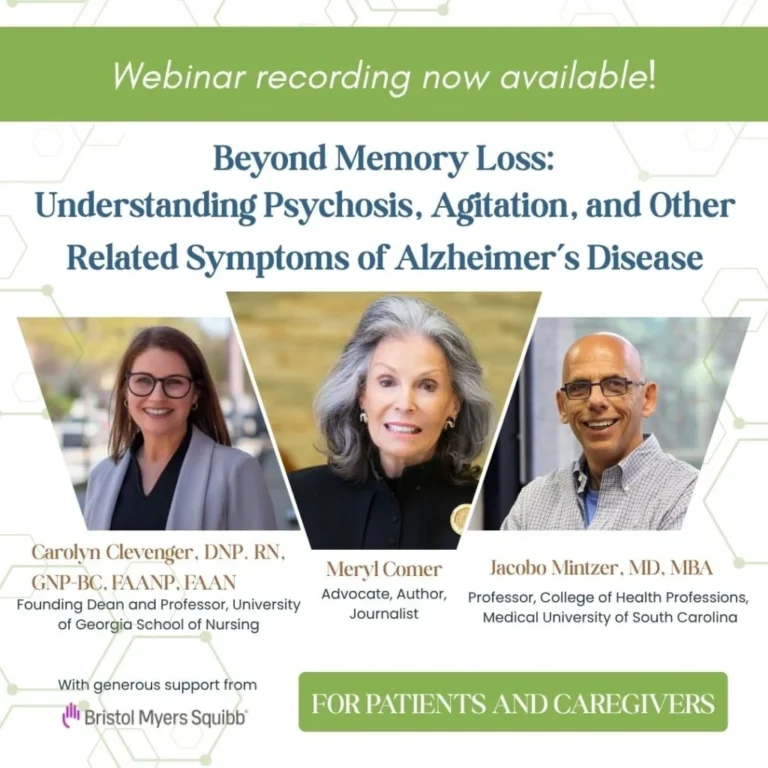
For those interested in joining the movement, the Do What You Love to End ALZ website serves as the central hub for resources, inspiration, and community. Alongside these efforts, organizations like the Alliance for Aging Research continue to provide essential education on topics ranging from managing agitation in patients to the ongoing, critical work of initiatives like Project PAUSE. Together, these efforts ensure that the light of awareness—and the funding for progress—will never fade.