Obsessive-Compulsive Disorder (OCD) is a complex, often misunderstood psychiatric condition that affects millions of individuals worldwide. Far beyond the colloquial use of the term to describe a penchant for tidiness, clinical OCD is a debilitating mental health disorder characterized by the presence of persistent, intrusive thoughts (obsessions) that drive individuals to engage in repetitive, ritualistic behaviors (compulsions). These patterns often consume hours of a person’s day, creating significant distress and hindering their ability to function in professional, social, and academic environments.
Main Facts: Defining the Landscape of OCD
At its core, OCD is defined by the "ego-dystonic" nature of its symptoms. This means that individuals who suffer from the disorder typically recognize that their thoughts are irrational or excessive, yet they feel powerless to stop them. The cycle is fueled by anxiety: an obsession (such as a fear of contamination or a need for perfect symmetry) creates intense psychological discomfort, which the individual attempts to neutralize through a compulsion (such as excessive hand washing, checking locks, or counting).
Crucially, the diagnosis of OCD requires that these behaviors occupy at least one hour per day and interfere with daily living. While many people experience fleeting, intrusive thoughts, those with OCD find these thoughts inescapable and inherently distressing. The disorder is not merely a personality trait; it is a clinical condition requiring evidence-based intervention.
Chronology: The Developmental Path of the Disorder
The onset of OCD is often gradual, though it can appear suddenly in some cases. Clinical data suggests a distinct developmental timeline for many patients:
- Childhood Roots: Research indicates that approximately one-third of adults who struggle with OCD experienced the onset of symptoms during childhood.
- Adolescence and Early Adulthood: The average age of diagnosis for OCD falls around 19 years old. This period is often marked by increased academic and social pressures, which can exacerbate the severity of latent symptoms.
- Lifespan Variability: OCD is rarely static. Symptoms often fluctuate in intensity throughout a person’s life. During periods of high stress—such as job transitions, relationship issues, or health crises—the frequency and intensity of obsessions and compulsions often spike.
- Chronic Nature: Without intervention, OCD tends to follow a chronic, relapsing-remitting course. Early identification and consistent treatment are vital to preventing the condition from becoming entrenched.
Supporting Data: The Prevalence and Scope
According to the National Institute of Mental Health and associated research bodies, over 3 million Americans are diagnosed with OCD annually. Unlike many other psychiatric conditions that show a clear gender bias, OCD affects men and women with roughly equal frequency.
The economic and social burden of the disorder is substantial. Patients frequently report lower quality of life scores due to the time-consuming nature of their rituals. Furthermore, because the disorder is often shrouded in shame—partly due to the nature of the intrusive thoughts—many individuals delay seeking treatment for years, which can lead to secondary complications such as clinical depression, social withdrawal, and substance abuse.

Official Perspectives: The Etiology of OCD
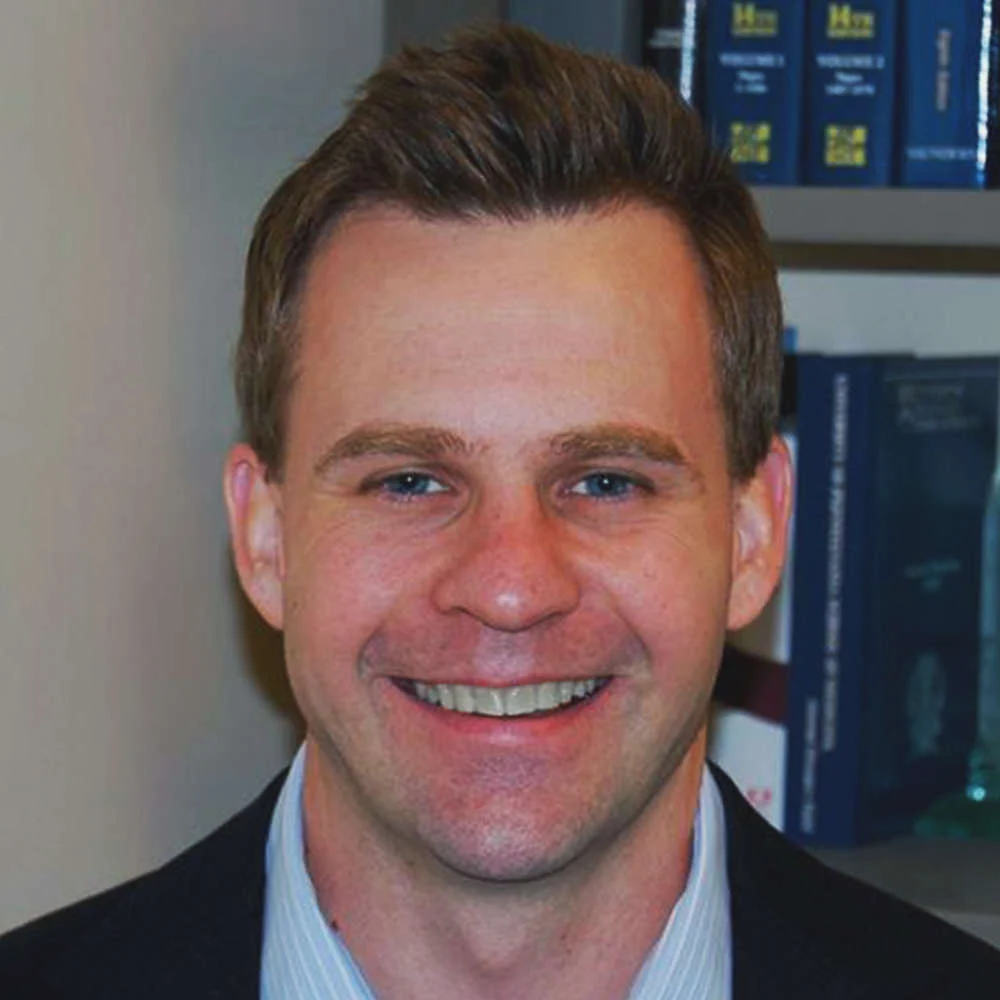
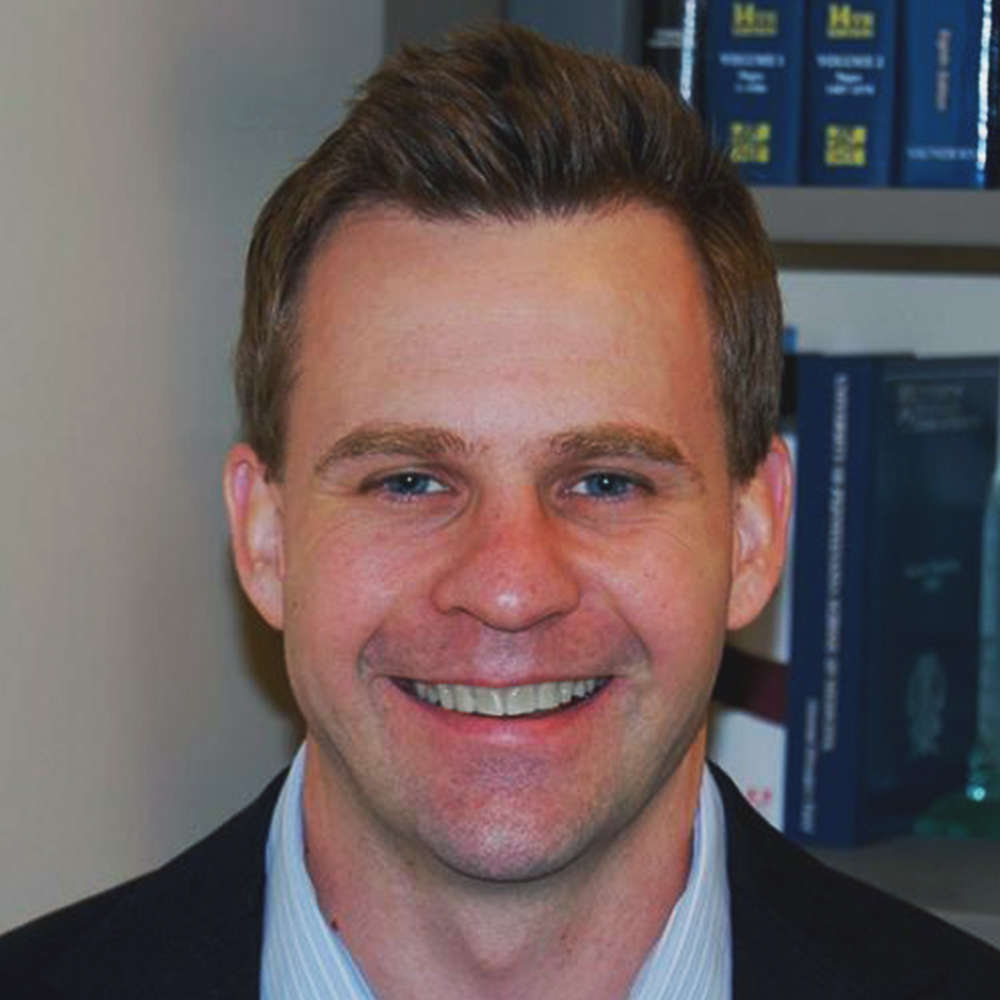
While researchers have not identified a single "cause" for OCD, current medical consensus points to a multifactorial origin involving biological, neurological, and environmental triggers. Experts like Dr. Brian P. Brennan, an assistant professor of psychiatry at Harvard Medical School and a leader at the Obsessive-Compulsive Disorder Institute, utilize advanced neuroimaging to study the disorder.
His work in translational neuroscience focuses on identifying neurochemical mediators that contribute to the condition. Current theories on the causes of OCD include:
- Genetics: Family studies have shown that OCD often runs in families, suggesting a hereditary component that may influence the brain’s regulation of neurotransmitters like serotonin.
- Neurological Dysfunction: Neuroimaging studies have identified abnormalities in the orbitofrontal cortex and the basal ganglia, regions of the brain responsible for impulse control and habit formation.
- Environmental Factors: High-stress life events can act as a catalyst for the onset of symptoms in individuals who are genetically predisposed.
Clinical Treatment: A Multi-Modal Approach
Treating OCD requires a sophisticated strategy. Experts emphasize that relying solely on medication is rarely as effective as a comprehensive approach that integrates psychotherapy with pharmacological support.
The Role of Psychotherapy
The "gold standard" for OCD treatment is Cognitive Behavioral Therapy (CBT). Within the CBT framework, the most effective intervention is often Exposure and Response Prevention (ERP).
In ERP, a patient is systematically exposed to the triggers of their obsessions—such as a person with contamination fears being asked to touch a "dirty" object—but is then coached to refrain from performing their usual ritual. Through this process, the brain learns that the anxiety eventually subsides on its own without the need for a compensatory behavior. This "habituation" is the key to long-term recovery.
Pharmacological Interventions
Medication is often used to manage the underlying anxiety that fuels the OCD cycle. Common prescriptions include:
- Selective Serotonin Reuptake Inhibitors (SSRIs): These are the most commonly prescribed medications for OCD. They work by increasing the levels of serotonin in the brain, which can help regulate mood and anxiety.
- Antidepressants: Often used in higher doses than those required for clinical depression, these medications can significantly dampen the frequency of intrusive thoughts.
It is important to note that medications carry a spectrum of potential side effects, and individuals must work closely with a psychiatrist to monitor their response. As Dr. Brennan notes, the goal of modern research is to identify novel biological targets that can improve the efficacy of these therapies, particularly for patients who are "treatment-resistant."
Holistic and Adjunctive Therapies
Increasingly, clinicians are advocating for the integration of holistic practices to support traditional therapy. Mindfulness-based stress reduction (MBSR), yoga, and meditation can provide patients with additional tools to manage the physical symptoms of anxiety. While these practices do not "cure" the neurological underpinnings of OCD, they can help patients create a buffer between their intrusive thoughts and their impulsive actions.
Implications: Moving Forward
The primary implication of our current understanding of OCD is that recovery is not only possible but likely with the right support. The shift away from stigmatizing the disorder toward viewing it as a treatable neurobiological condition has transformed the lives of millions.
For those who suspect they or a loved one may be suffering from OCD, the path forward is clear:
- Seek Professional Assessment: A diagnosis should only be made by a qualified mental health professional who can distinguish between typical anxiety and clinical OCD.
- Prioritize Evidence-Based Treatment: Avoid "quick fixes" or unverified wellness trends. Seek therapists trained specifically in ERP and psychiatrists experienced in the nuances of OCD medication.
- Practice Patience: Treatment is a process. The goal is not the total elimination of all anxious thoughts, but rather the development of the tools necessary to manage those thoughts so that they no longer dictate one’s life.
As research into translational neuroscience continues to evolve, the future of OCD treatment looks promising. From advanced neuroimaging to more targeted pharmaceutical interventions, we are moving toward a future where the intrusive, ritualistic chains of OCD can be broken more effectively than ever before. If you believe you are experiencing symptoms, do not hesitate to reach out to a healthcare provider; professional help is the most effective tool in regaining control over your life.