The global health community has spent years focused on the physiological toll of the COVID-19 virus, but as the physical threat begins to be managed through vaccines and therapeutic interventions, a second, more insidious crisis has emerged. Experts are calling it the "shadow pandemic"—a surge in depression, anxiety, and suicidal ideation that has fundamentally altered the American psychological landscape.
The data is unequivocal, the numbers are alarming, and according to leading mental health researchers, the long-term outlook remains shrouded in uncertainty. While the virus itself may wax and wane in its virulence, the psychological scars left by years of isolation, economic instability, and grief are proving to be remarkably resilient.
Main Facts: A Nation Under Psychological Siege
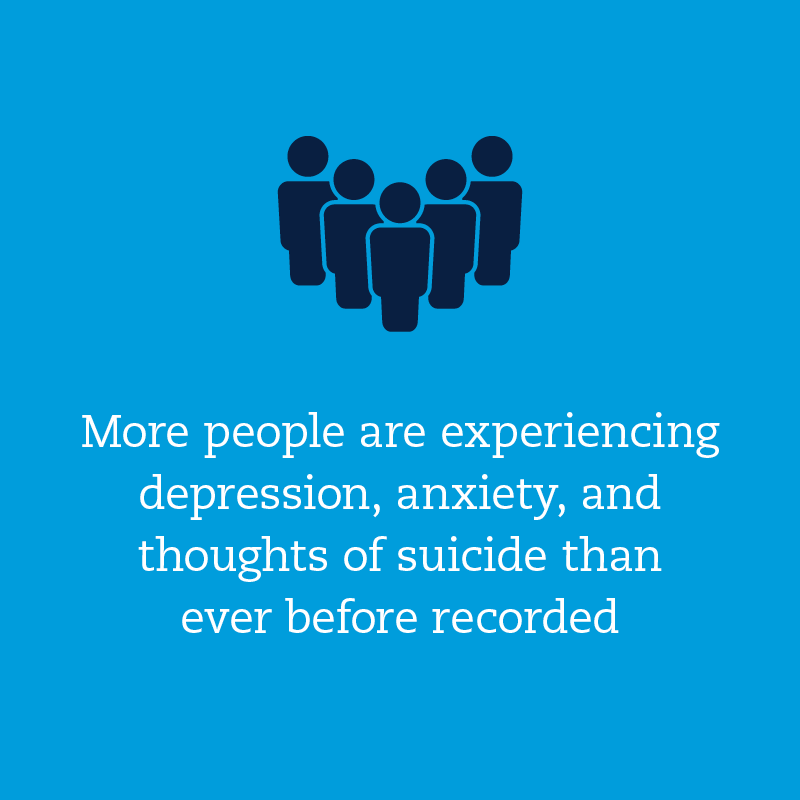
Recent findings from the COVID States Project—a massive, multi-university collaborative effort between Northeastern, Harvard, Northwestern, and Rutgers—paints a stark picture of a nation in distress. The survey, which has monitored American sentiment throughout the pandemic, reveals that mental health indicators have not returned to their pre-2020 baselines.
The headline figures are sobering:
- Depression Rates: Approximately 28% of Americans currently report symptoms of depression severe enough to warrant clinical referral and treatment. This is nearly three times the rate observed in the pre-COVID era.
- Anxiety Levels: Anxiety remains stubbornly high, affecting 25% of the population.
- Suicidal Ideation: Perhaps most concerning is the finding that 23% of respondents—nearly one in four—reported having thoughts of suicide at least occasionally within the survey period.
- Demographic Disparity: The crisis is not distributed equally. Young adults (ages 18–24) are the most severely affected, with a staggering 42% meeting the criteria for moderate to severe depression.
These statistics suggest that the "return to normal" celebrated in the economic and social spheres has not yet reached the internal lives of millions of citizens.
Chronology: From Acute Shock to Chronic Strain
To understand the current crisis, one must look at the trajectory of American mental health over the last several years. The timeline of this psychological decline follows the peaks and valleys of the viral pandemic, yet it shows a troubling "lag" effect where mental recovery trails behind physical recovery.
The Pre-Pandemic Baseline
Prior to 2020, mental health conditions were already on a gradual upward trend, but they existed within a manageable range for the existing healthcare infrastructure. Depression rates typically hovered around 8% to 9% of the population.
The Initial Shock (Spring 2020)
As the first lockdowns were implemented in March 2020, mental health indicators plummeted. By June 2020, researchers recorded a "low" point in the pandemic era where 25% of the population reported depressive symptoms—a figure that at the time seemed catastrophically high.
The Winter of Discontent (December 2020)
The crisis reached its absolute zenith in late 2020. A combination of "pandemic fatigue," a massive surge in viral cases, and the isolation of the holiday season drove depression rates to a peak of 30%. This period represented the most significant mental health event in modern American history.
The 2021-2022 Plateau
As vaccines became available and social restrictions eased, experts hoped for a rapid rebound in mental well-being. However, the data from the COVID States Project shows only a marginal improvement. The current 28% depression rate is a slight improvement from the 30% peak, but it remains significantly higher than the 25% recorded in the early months of the pandemic. This suggests that for many, the mental health impact of the pandemic has transitioned from an acute reaction to a chronic condition.
Supporting Data: The Vulnerability of the Young and the Marginalized
The most revealing aspect of recent research is the breakdown of who is suffering most. The "generational gap" in mental health outcomes is wider than ever before recorded.
The Youth Crisis
While the elderly were at the highest risk for physical complications from COVID-19, they have proven to be the most psychologically resilient. Only 10% of respondents aged 65 and older met the criteria for moderate or greater depression. In contrast, the 42% rate among young adults represents a generational emergency.
David Lazer, a professor of political science and computer sciences at Northeastern University and a lead researcher on the study, explains this disparity through the lens of life-stage disruption. "Younger adults have lives that are more dynamic than older adults," Lazer noted. "They’re finishing school, getting a job, starting a family—all things that are more likely to be disrupted by the pandemic."
For a 20-year-old, two years of social isolation represents 10% of their entire life and nearly 50% of their adult life. These disruptions to "milestone" events have created a sense of "stolen time" that contributes heavily to depressive symptoms.
The Pediatric Emergency Room
The crisis extends even further down the age bracket into childhood and adolescence. Dr. Polina Krass, a pediatrician at the Children’s Hospital of Philadelphia (CHOP), led a study published in late 2021 that examined emergency department (ED) patterns.
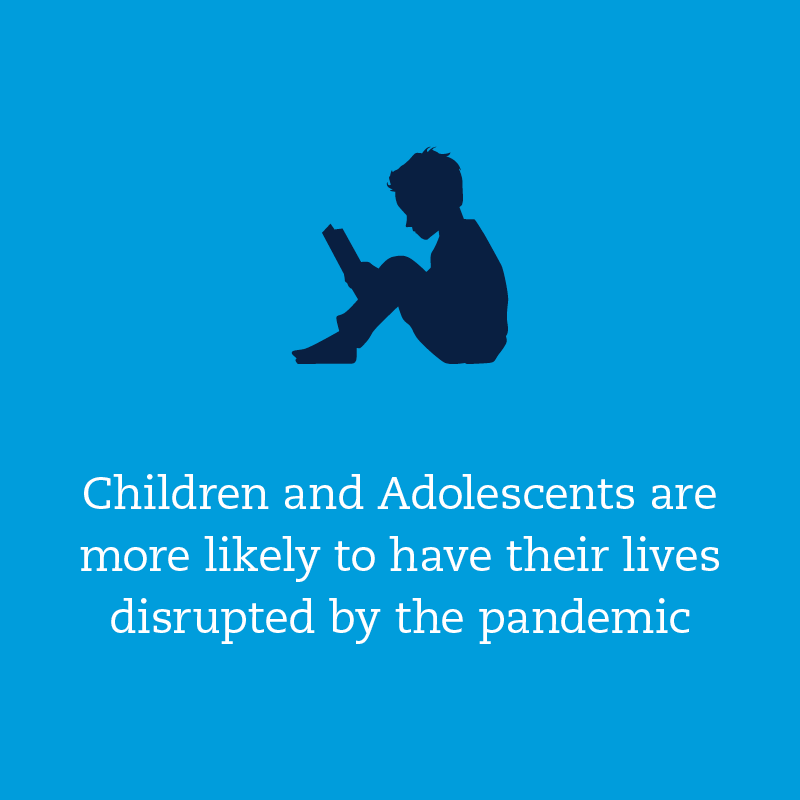
The study found a chilling paradox: while overall ED visits decreased during the pandemic as people avoided hospitals, the proportion of pediatric patients seeking help for mental health emergencies surged. Furthermore, a higher percentage of these children required actual hospital admission for psychiatric services than in pre-pandemic times, indicating that the cases were not only more frequent but more severe.
Inequity in Care
Dr. Krass also highlighted that the pandemic has exacerbated existing racial and socioeconomic disparities. Minority communities, which bore a disproportionate share of the physical and economic brunt of COVID-19, also face the highest barriers to mental health care. Structural racism and community violence, combined with the "shortages in access" mentioned by Krass, have created a perfect storm for youth in these communities.
Official Responses: Resilience, Policy, and the NIMH Perspective
The federal government and mental health agencies are now shifting their focus toward long-term recovery. Susan Borja, Chief of the National Institute of Mental Health’s (NIMH) Dimensional Traumatic Stress Research Program, offers a perspective rooted in the science of trauma.
The Theory of Natural Recovery
Borja notes that in the wake of mass disasters, "natural recovery" is the norm. Most people experience initial symptoms that diminish as the environment stabilizes. "Increased symptoms exist along a continuum," Borja explained. "Many people may experience symptoms, but those symptoms may not consistently rise to the level of severity or impairment required for a diagnosis."
However, Borja warns that a "significant minority" will not recover naturally and will require professional intervention. The challenge for the official response is identifying this minority before their conditions become life-threatening.
Legislative Action: S. 1902
On the policy front, there is a push to modernize the American mental health safety net. One of the primary legislative vehicles for this is the Behavioral Health Crisis Services Expansion Act (S. 1902). If passed, this act would:
- Establish national standards for behavioral health crisis services.
- Ensure that these services are available to all individuals regardless of their ability to pay or their geographic location.
- Integrate mental health crisis response into the existing emergency infrastructure (such as the 988 suicide lifeline).
This represents an official acknowledgment that the previous "patchwork" system is insufficient to handle the current volume of need.
Implications: A New Paradigm for Public Health
The long-term implications of this data suggest that the United States is at a crossroads. The "silver lining," if one exists, is the unprecedented level of public awareness regarding mental health.
Mental Health as Public Health
Susan Borja suggests that the pandemic has forced a "general awareness that mental health is a significant part of public health." This shift in perspective is crucial. For decades, mental health was treated as an individual’s private struggle. The current data proves it is a collective, societal issue that requires a public health response similar to that of a viral outbreak or a nutritional crisis.
The Economic and Social Cost
If 28% of the population continues to suffer from clinical depression, the implications for the American workforce and social fabric are profound. Depression is a leading cause of disability and lost productivity. Without a robust recovery, the "shadow pandemic" could lead to a long-term decline in economic participation and social cohesion.
The Path Forward
For experts like Dr. Krass, the path forward requires more than just more therapists; it requires addressing the "social determinants of mental health." This includes:
- Funding Research: Moving beyond "band-aid" solutions to understand the neurobiological and social roots of this specific pandemic-era distress.
- Addressing Inequality: Reducing the impact of structural racism and economic instability that fuels despair in marginalized communities.
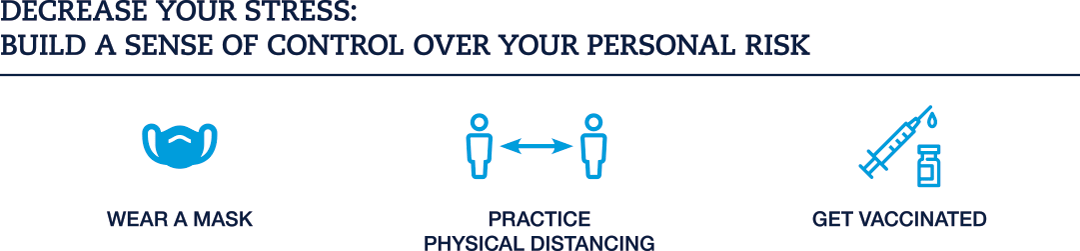
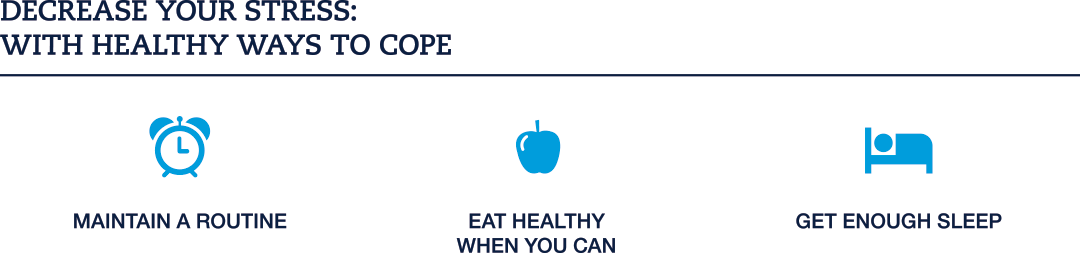
- Individual Agency: Borja emphasizes that individuals can aid their own recovery by reclaiming a sense of control. This includes maintaining routines, healthy eating, and physical activity—small acts that act as a buffer against the "helplessness" often associated with trauma.
"There is a lot of work to be done," Dr. Krass concluded. The data from 2020 and 2021 has sounded the alarm; the coming years will determine whether the American healthcare system and society at large are capable of answering it. The shadow pandemic may not have a vaccine, but through policy, funding, and a shift in cultural understanding, its grip can be loosened.