Obsessive-Compulsive Disorder (OCD) remains one of the most misunderstood and stigmatized mental health conditions in modern society. Frequently trivialized in popular culture as a mere penchant for cleanliness or an exaggerated need for order, OCD is, in clinical reality, a debilitating condition that can severely erode an individual’s quality of life. Characterized by a cycle of intrusive, distressing thoughts—known as obsessions—and repetitive, ritualistic behaviors—known as compulsions—OCD affects millions of individuals globally. This article explores the clinical nuances of the disorder, the latest research regarding its origins, and the multifaceted therapeutic approaches currently used to treat it.
The Clinical Definition of OCD: Beyond the "Neat Freak" Label
The hallmark of Obsessive-Compulsive Disorder is the presence of obsessions and/or compulsions that are time-consuming, causing significant distress or impairment in social, occupational, or other important areas of functioning. It is essential to distinguish between a personality preference for tidiness and the clinical pathology of OCD. While a "neat freak" might derive satisfaction from an organized environment, a person with OCD often performs rituals out of a sense of dread, internal pressure, or the belief that failure to do so will result in catastrophic consequences.
The Nature of Obsessions
Obsessions are intrusive, unwanted thoughts, images, or urges that occur repeatedly in the mind. They are often described as "ego-dystonic," meaning they are inconsistent with the individual’s true self or personal values. Despite recognizing these thoughts as irrational or excessive, the individual feels powerless to stop them. Common obsessions include fears of contamination, aggressive impulses, a need for perfect symmetry, or forbidden thoughts regarding religion or morality.
The Mechanism of Compulsions
Compulsions are the external manifestation of internal anxiety. They are repetitive physical or mental actions that the individual feels driven to perform in response to an obsession. The purpose of these rituals is not to achieve pleasure, but to neutralize the distress caused by the obsession or to prevent a dreaded event. Whether it is excessive hand washing, checking locks repeatedly, or silent mental counting, these compulsions provide only temporary relief, ultimately reinforcing the cycle of anxiety.
A Chronological Perspective: From Onset to Diagnosis
The developmental trajectory of OCD is complex and varies significantly between patients. Understanding the timeline of the disorder is critical for early intervention.
Childhood and Adolescence
Research indicates that approximately one-third of adults who suffer from OCD first began experiencing symptoms during childhood. The onset is often gradual, though it can appear suddenly following a stressful life event. Parents and educators are often the first to notice changes in behavior, such as a child’s insistence on specific routines or an irrational fear of illness.
The Transition to Adulthood
The average age of diagnosis typically falls around age 19. During this transitional period—characterized by the pressures of university, early career, or independent living—symptoms often intensify. The stress of new environments can exacerbate the frequency of intrusive thoughts, leading to an increase in the time spent on compulsive rituals. For many, the diagnostic process is long, as individuals may attempt to hide their symptoms due to shame or the mistaken belief that they are "going crazy."

Supporting Data: The Scope of the Disorder
The prevalence of OCD is substantial, with over 3 million Americans meeting the clinical criteria for the disorder each year. Unlike some other psychiatric conditions that show a clear gender bias, OCD affects men and women with roughly equal frequency.
Clinical Metrics
In a clinical setting, a diagnosis is generally supported by the amount of time an individual spends trapped in the OCD cycle. The benchmark often cited by mental health professionals is at least one hour per day dedicated to managing intrusive thoughts or performing rituals. If these behaviors occupy more than sixty minutes of a person’s day, it is a strong indicator that the condition has moved beyond the realm of "worry" and into the clinical definition of a disorder.
Influencing Factors
While the exact etiology of OCD remains a subject of intense scientific investigation, current research points to a confluence of factors:
- Genetic Predisposition: Studies involving twins and families suggest that a genetic component increases vulnerability to OCD.
- Neurobiological Factors: Differences in the structure and chemistry of the brain—specifically in the orbitofrontal cortex and the basal ganglia—are frequently observed in patients with OCD.
- Environmental Triggers: Traumatic life events or periods of extreme, sustained stress can trigger the onset of the disorder in those already predisposed to it.
Professional Perspectives and Modern Treatment Modalities
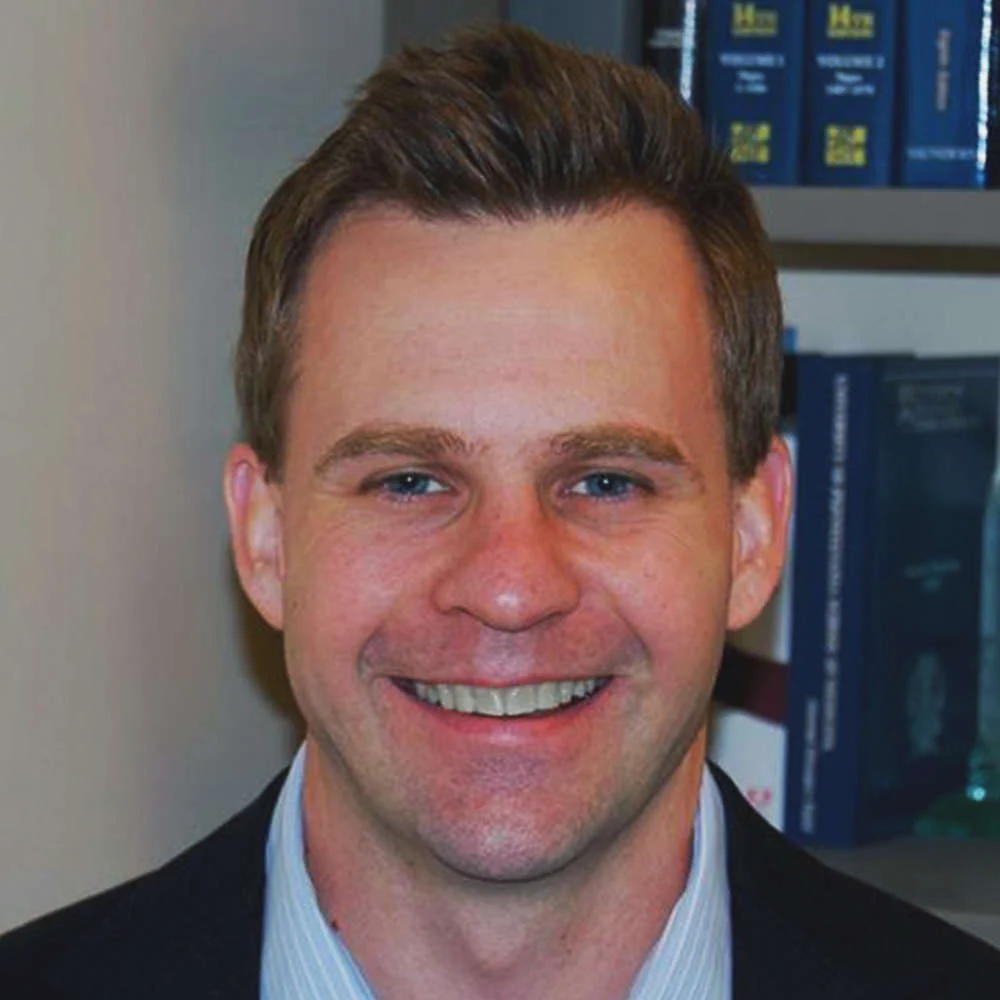
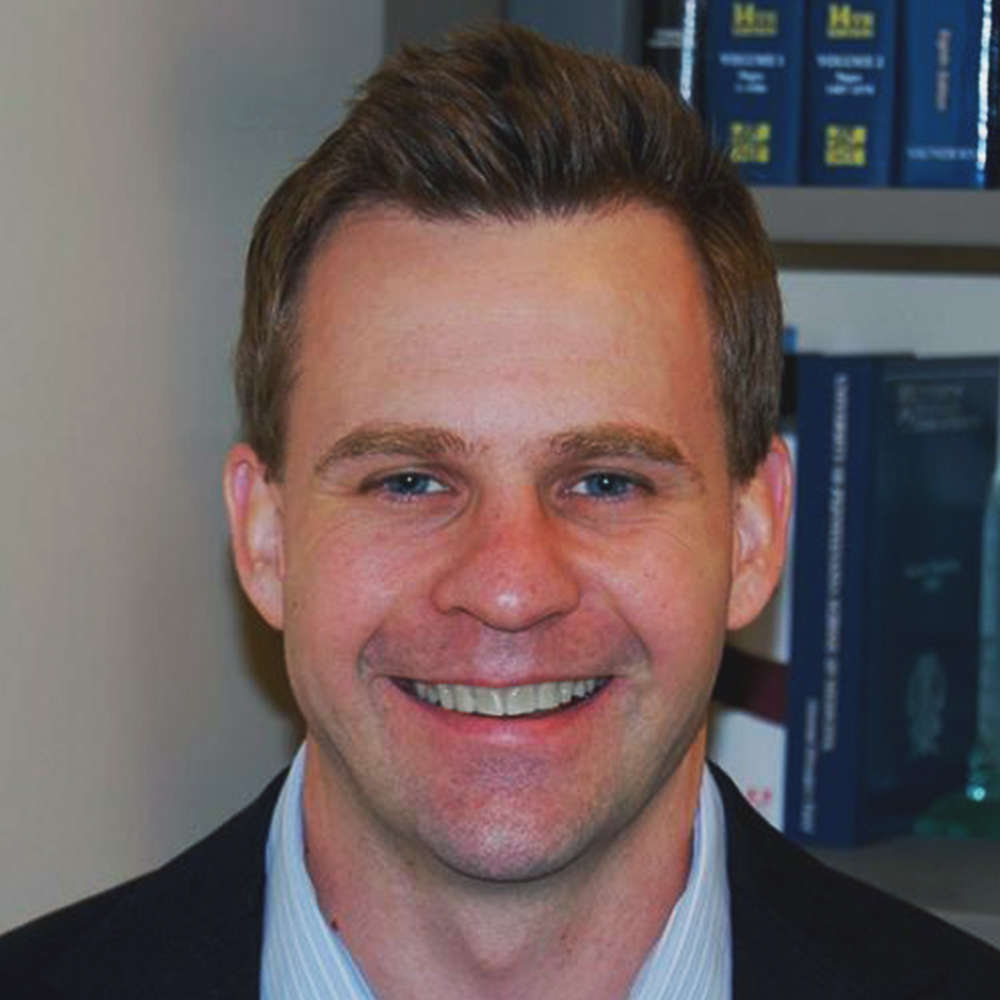
The treatment of OCD has evolved from archaic, ineffective methods to sophisticated, evidence-based practices. Leading experts, such as Dr. Brian P. Brennan of Harvard Medical School and the McLean Hospital OCD Institute, emphasize that a singular approach is rarely sufficient.
The Synthesis of Therapy and Medication
Most clinical guidelines recommend a combination of psychotherapy and pharmacotherapy. While medication can help lower the baseline level of anxiety, it often fails to address the cognitive patterns that perpetuate the disorder. Therefore, therapists utilize "Gold Standard" methods to retrain the brain.
Cognitive Behavioral Therapy (CBT)
CBT is the cornerstone of OCD treatment. It works by identifying the distorted thought processes that lead to anxiety. By helping patients understand the feedback loop between their thoughts and their actions, therapists can provide them with the tools to "reframe" their responses to intrusive thoughts.
Exposure and Response Prevention (ERP)
A specific subset of CBT, Exposure and Response Prevention (ERP), is arguably the most effective intervention for OCD. In ERP, patients are intentionally exposed to the source of their anxiety—for example, touching a surface they perceive as "contaminated"—while being coached to refrain from the compulsive ritual that usually follows. This process, known as "habituation," teaches the brain that the feared outcome will not occur, gradually reducing the intensity of the urge to perform the ritual.
The Role of Medication
Selective Serotonin Reuptake Inhibitors (SSRIs) are the most commonly prescribed medications for OCD. These antidepressants can help modulate the serotonin levels in the brain, providing a buffer against the high-intensity anxiety associated with the disorder. However, doctors stress that medication is not a "cure-all" and is best utilized as a supportive tool alongside active therapy.
Implications for Long-Term Recovery
Living with OCD is a journey, not a static state. Symptoms may fluctuate throughout a person’s lifespan, often peaking during periods of high stress or life transitions. However, the prognosis for those who seek treatment is generally positive.
Holistic Integration
Modern recovery plans often integrate holistic practices to complement clinical treatment. Techniques such as mindfulness meditation and yoga have been shown to help patients remain "present" rather than caught in the loop of obsessive thought. These practices empower individuals to acknowledge their thoughts without necessarily reacting to them.
Seeking Professional Guidance
The most important implication for anyone suffering from these symptoms is the necessity of professional consultation. If an individual recognizes that their thoughts or behaviors are excessive, unreasonable, and interfering with their daily life, the first step should be an evaluation by a psychiatrist or a clinical psychologist.
In conclusion, while OCD is a complex and challenging condition, it is highly treatable. Through the combination of cognitive restructuring, behavioral exposure, and careful pharmacological management, individuals can regain control over their lives. By fostering a deeper public understanding of the disorder, we can strip away the stigma that prevents many from seeking the help they need, ultimately moving toward a society where mental health is prioritized with the same gravity as physical health.
Disclaimer: This article is for informational purposes only and does not constitute medical advice. If you believe you or a loved one may be suffering from symptoms related to Obsessive-Compulsive Disorder, please consult with a qualified healthcare professional to discuss the benefits and risks of potential treatments.