






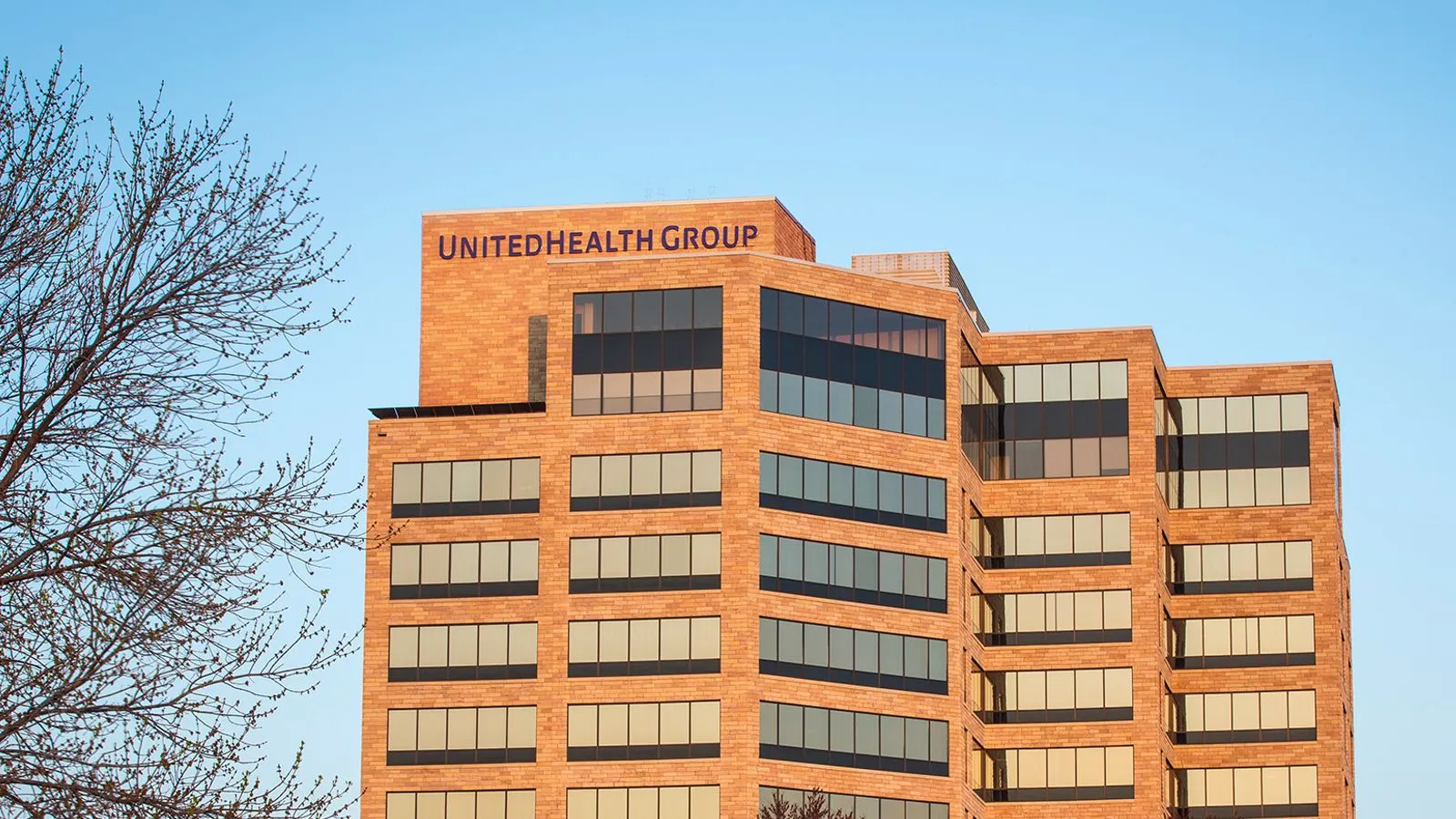
In the wake of a tumultuous post-pandemic landscape, UnitedHealth Group (UNH) has emerged as a bellwether for the American health insurance industry. Following a period defined by skyrocketing medical utilization and a persistent mismatch between premium pricing and the actual cost of care, the healthcare giant’s second-quarter results indicate that its aggressive margin recovery strategies are gaining significant traction. By systematically exiting underperforming markets, trimming benefits, and refining its value-based care delivery models, UnitedHealth has managed to exceed investor expectations, signaling a potential stabilization in a sector that has been under intense pressure since 2024.
The State of Play: Main Facts and Strategic Realignment
UnitedHealth Group’s second-quarter performance represents a critical juncture for the company. For the past two years, the insurer has grappled with the "utilization spike"—a phenomenon where Americans, following the cessation of COVID-19 restrictions, returned to hospitals and clinics at rates that outpaced historical trends.
The primary challenge for UnitedHealth has been the structural mismatch in government-backed programs. In Medicare Advantage (MA) and Medicaid, where insurers are subject to fixed reimbursement rates, the inability to quickly adjust premiums to account for rising medical costs caused a direct hit to the company’s bottom line.
However, the second-quarter results suggest a turning point. UnitedHealthcare, the insurance arm of the group, reported earnings of $3.9 billion—an 86% increase year-over-year. This surge was not driven by membership growth, but by a disciplined approach to operational efficiency, including significant premium hikes and the shedding of unprofitable contracts. While total revenue remained flat at $86 billion, the quality of that revenue has fundamentally shifted, prioritizing margin stability over raw volume.
A Chronology of Recovery: From 2024 Turbulence to 2026 Momentum
To understand UnitedHealth’s current trajectory, one must look at the timeline of its financial recovery efforts:
- 2024–2025: The Crisis Years: UnitedHealth faced significant headwinds as medical costs surged. Record-breaking demand for elective procedures and specialized care in the Medicare Advantage segment consistently undercut the insurer’s profit projections, leading to consecutive quarters of investor skepticism.
- Q1 2026: The Initial Pivot: The first quarter of 2026 served as the first proof-of-concept for the company’s new strategy. By outperforming analyst expectations and issuing an optimistic outlook for the remainder of the year, the company began to restore confidence on Wall Street.
- Q2 2026: Consolidation and Execution: The second quarter solidified this trend. J.P. Morgan analyst Lisa Gill noted that the company effectively "cleared the high bar" set by an increasingly demanding investor base. The strategy shifted from "damage control" to "selective growth," focusing on profitability within its core segments while intentionally reducing exposure to high-acuity, low-reimbursement populations.
Supporting Data: Membership Losses vs. Earnings Gains
The narrative of UnitedHealth’s recovery is best told through its membership numbers. Total membership at UnitedHealthcare fell by 525,000 individuals during the quarter, landing at 48.5 million. This decline is largely by design.
The most significant contraction occurred within the Medicare Advantage (MA) program, which saw a reduction of 965,000 members. While a loss of nearly a million seniors might initially seem alarming, it is a strategic retreat. Executives, led by UnitedHealthcare CEO Tim Noel, had anticipated this decline and have maintained a guidance expectation of losing up to 1.1 million MA members throughout the fiscal year. By shedding these members, the company is effectively trimming the "fat" from its portfolio, focusing its resources on patients whose care costs are more predictable.
The Optum division provided the most striking data points. Despite a 2% decline in total revenue, the division’s operating income soared by 29% to $4 billion. Optum Health, the company’s care delivery arm, saw its earnings jump to $1.2 billion—doubling analyst consensus. This success was achieved by cutting underperforming providers from the network and reducing risk-based memberships by 700,000 patients.
Official Responses and Executive Insight
The leadership at UnitedHealth has been candid about the friction points remaining in the business. During the investor call, Dan Kueter, who leads the employer business, addressed the persistent challenges in the commercial insurance sector. Despite the overall success of the recovery plan, the commercial side of the business has been "doggedly" resistant to margin expansion.
Kueter pointed directly to the "ineffective" Independent Dispute Resolution (IDR) process mandated by the No Surprises Act. "The ineffective IDR process… is being exploited by select providers in select geographies," Kueter stated. He argued that these providers are filing a massive volume of disputes to inflate payouts, a sentiment echoed by many in the insurance industry who feel the legislation has inadvertently created a new vector for rising healthcare costs.
Furthermore, executives highlighted the impact of high-cost specialty drugs, particularly GLP-1 medications, which have become a significant drag on commercial margins. Kueter’s assessment was blunt: "Simply put, we’re not yielding the full margin expansion for which we planned in 2026." This admission underscores that while the company is recovering, it is doing so in a volatile environment where external regulatory and clinical factors continue to challenge internal projections.
Implications for the Healthcare Sector
The implications of UnitedHealth’s second-quarter performance are wide-reaching for the broader U.S. healthcare system:
1. The Death of Growth-at-All-Costs
For years, the mandate for health insurers was to capture as much market share as possible. UnitedHealth’s recent strategy signals a permanent shift toward "margin-first" management. Investors are clearly rewarding this discipline, as evidenced by the positive analyst notes from firms like Jefferies and Leerink.
2. The Medicaid and Medicare Tensions
The persistence of losses in the Medicaid business remains a structural threat. As states struggle to align payment rates with the actual acuity of patients, insurers like UnitedHealth are being forced to accept losses or exit markets. This creates a potential access crisis for low-income patients, as private insurers may become increasingly selective about where they operate.
3. The Future of Value-Based Care
Optum Health’s success in doubling its earnings through the surgical removal of unprofitable contracts and providers proves that value-based care is only as effective as the data behind it. By pivoting away from contracts that do not yield positive margins, Optum is setting a new industry standard for physician enterprise management. However, the loss of 700,000 value-based patients raises questions about the long-term sustainability of scaling these programs if the economics do not favor the insurer.
4. Regulatory Pushback
The insurer’s vocal opposition to the No Surprises Act’s dispute resolution process suggests that the next phase of the industry’s recovery will be played out in the courtroom and in legislative chambers. If the industry continues to blame these regulations for "inflated payouts," it is likely that a major lobbying push to amend the No Surprises Act will occur in the coming legislative sessions.
Conclusion
UnitedHealth Group has successfully navigated the most dangerous waters of the post-pandemic era by prioritizing fiscal discipline over sheer scale. While the loss of over half a million members indicates a shrinking footprint, the corresponding 86% increase in insurance earnings and the "exceptional" performance of the Optum division provide a compelling argument for their strategy.
However, the company remains at the mercy of factors outside its direct control—namely the high cost of specialty pharmaceuticals and an arbitration system that it views as fundamentally flawed. For now, UnitedHealth has proven that it can effectively manage its way through a crisis, but the road to 2026 profitability will require navigating these remaining, and potentially worsening, institutional headwinds.