









In a landmark decision that reshapes the treatment landscape for advanced melanoma, the U.S. Food and Drug Administration (FDA) has granted accelerated approval to Replimune’s novel viral immunotherapy, Tudriqev. This regulatory milestone marks a triumphant comeback for the company, effectively ending a period of intense uncertainty that saw the therapy rejected twice in the span of nine months.
Tudriqev (formerly known as RP1) is an engineered oncolytic viral therapy designed to be injected directly into tumors. It is indicated for patients whose melanoma has progressed despite treatment with checkpoint inhibitors, a group that previously faced limited and often arduous clinical options. The approval signals a potential paradigm shift, moving away from complex, cell-based therapies toward an "off-the-shelf" viral approach that could democratize access to advanced cancer care.
The Science of the Virus: How Tudriqev Works
Tudriqev is built upon an engineered version of the herpes simplex virus 1 (HSV-1). By harnessing the innate power of a virus to infect and replicate, the therapy acts as a two-pronged attack on cancer.
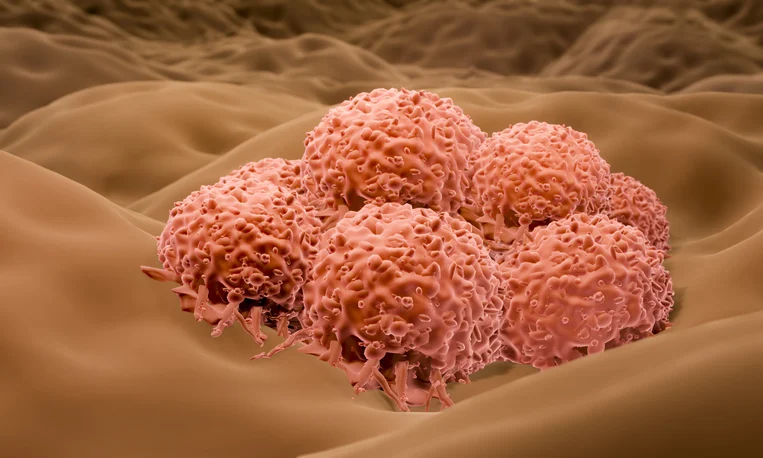
Once injected into the tumor microenvironment, the virus selectively replicates within malignant cells. This replication process leads to the lysis, or breaking open, of the tumor cells. Crucially, the process does more than just kill individual cells; it releases tumor-derived antigens into the surrounding area, effectively "unmasking" the cancer to the patient’s own immune system. This stimulates a systemic immune response, potentially creating a "bystander effect" where the body’s T-cells begin to identify and attack metastatic tumors elsewhere in the body.
The FDA’s approval covers the use of Tudriqev in combination with Bristol Myers Squibb’s Opdivo (nivolumab), a standard-of-care checkpoint inhibitor that blocks the PD-1 protein. By combining a viral therapy with a PD-1 inhibitor, clinicians hope to overcome the mechanisms of resistance that often render standard immunotherapy ineffective in advanced-stage patients.
A Rocky Road to Approval: A Chronological Review
The journey to the market for Tudriqev has been defined by a volatile relationship with federal regulators, punctuated by changing leadership at the FDA and evolving standards for clinical trial data.
The Initial Hurdles
In the summer of 2025, Replimune suffered its first major setback when the FDA issued a complete response letter (CRL). The agency cited concerns that the Phase 1/2 clinical study—the primary evidence provided by the company—was not an "adequate and well-controlled" trial. Regulators argued that the results were "uninterpretable," casting doubt on the efficacy of the drug as an independent contributor to patient outcomes.
The Second Rejection and Internal Dissent
Following a resubmission, the FDA issued a second CRL in April 2026. This second rejection was particularly stinging, as the agency suggested the trial results failed to isolate the benefit of the viral therapy from the baseline effects of the checkpoint inhibitor. Notably, Replimune publicly contended that this negative assessment came from a different review team than the one the company had been consulting, highlighting a lack of internal consensus within the agency at the time.
The Pivot: Leadership Changes and New Momentum
The review process coincided with the tenure of former FDA Commissioner Marty Makary, whose strict skepticism regarding single-arm studies became a significant obstacle for biotech firms. Following Makary’s resignation in early May 2026, the regulatory climate shifted. Replimune quickly reengaged with the agency, finding a more productive path forward. By late July, an FDA advisory committee voted 10 to 3 in favor of the drug, providing the momentum needed to reach this week’s final approval.
Supporting Data and Future Confirmations
The accelerated approval of Tudriqev is based on the objective response rate and duration of response observed in 91 patients from the Phase 1/2 clinical study. While these data were deemed sufficient for an accelerated pathway, the FDA has mandated a confirmatory Phase 3 trial to solidify the evidence base.
This trial, which is currently underway, aims to enroll 400 patients. The primary endpoint for this larger study is overall survival—the "gold standard" in oncology. Data from this trial are expected to be available in 2030. If the confirmatory study fails to show clinical benefit, the FDA maintains the authority to withdraw the drug from the market, underscoring the risks still inherent in the accelerated approval process.
Competitive Landscape: Challenging the TIL Therapy Model
Until this week, the only FDA-approved option for patients who progressed on checkpoint inhibitors was Iovance Biotherapeutics’ Amtagvi. A tumor-infiltrating lymphocyte (TIL) therapy, Amtagvi represents a high-tech, highly personalized approach to cancer treatment.
The Barriers of TIL Therapy
The process of administering Amtagvi is notoriously rigorous:
- Harvesting: A patient’s tumor tissue is surgically removed to isolate immune cells.
- Expansion: These cells are shipped to a centralized laboratory and expanded into billions of therapeutic T-cells.
- Preconditioning: The patient must undergo intensive chemotherapy to prepare the body for the infusion.
- IL-2 Support: Following the infusion, patients require high-dose IL-2 therapy, which often results in severe toxicity and extended hospital stays.
In 2025, Iovance reported $220 million in sales, demonstrating a clear market need. However, the complexity of the logistics—requiring specialized cancer centers and multi-step manufacturing—has created significant barriers to access for many patients.
The "Off-the-Shelf" Advantage
Replimune’s CEO, Sushil Patel, believes Tudriqev will disrupt this dynamic. Because Tudriqev is an off-the-shelf product that does not require cell harvesting or lab-based expansion, it can be administered in community oncology clinics rather than specialized academic centers. "We believe Tudriqev will become a new standard of care for patients who progress on a PD-1-containing regimen," Patel stated.
Economic and Strategic Implications
With a list price of approximately $450,000 per course—varying slightly based on the tumor burden and dosage requirements—Tudriqev enters the market at a lower price point than Amtagvi, which carries a list price of $562,000.
Market analysts, including Daina Graybosch of Leerink Partners, have viewed the approval as a "best-case outcome" for Replimune. In a recent research note, Graybosch emphasized that the "treatment sequencing favors Tudriqev." She noted that physicians, when faced with a choice between a complex, inpatient cell therapy and a straightforward, outpatient viral injection, will likely favor the latter.
Market Potential
The addressable population is significant. An estimated 10,000 U.S. patients per year face the specific scenario of melanoma progression following initial immunotherapy. If Replimune successfully captures this market, the company could see rapid commercial adoption once the product launches in approximately 60 days.
Conclusion: A Shift Toward Accessibility
The approval of Tudriqev is more than just a win for Replimune; it represents a broader trend in the pharmaceutical industry toward more manageable, scalable immunotherapy options. While cell therapies have paved the way for treating "untreatable" cancers, their limitations in logistics and safety profiles have left a gap in the market.
By successfully navigating a treacherous regulatory path and emerging with a viable, easier-to-administer therapy, Replimune has provided a new lease on life for patients with advanced melanoma. As the company moves toward a commercial launch, the medical community will be watching closely to see if Tudriqev can replicate its clinical success in the real-world setting, potentially setting a new standard for how we fight some of the most stubborn forms of cancer.