Los Angeles, CA – For many children navigating the challenges of spasticity, a condition often associated with cerebral palsy, the prospect of lifelong, independent walking can seem daunting. Yet, a highly effective neurosurgical procedure, Selective Dorsal Rhizotomy (SDR), offers a profound opportunity to dramatically improve and preserve walking ability for decades. The stark reality, however, is that a significant number of eligible children are referred too late, missing a critical window where the intervention could yield its most transformative benefits.
Experts at Children’s Hospital Los Angeles (CHLA) are championing a multidisciplinary approach to identify and treat these children early, emphasizing that timely evaluation and precise patient selection are paramount to safeguarding mobility into adulthood. This integrated care model, combining the expertise of neurology, neurosurgery, orthopedics, and rehabilitation, aims not just to manage spasticity, but to proactively preserve a child’s inherent capacity for movement and independence.
Key Takeaways:
- Timing is paramount: SDR is most impactful for ambulatory children with spasticity before significant walking decline, offering the best chance to preserve mobility for a lifetime.
- Multidisciplinary excellence drives outcomes: Successful management hinges on a collaborative team spanning neurology, neurosurgery, orthopedics, rehabilitation, and intensive physical therapy, regardless of whether surgical or non-surgical interventions are chosen.
- Precision in patient selection is non-negotiable: Comprehensive evaluations, including advanced gait analysis, are essential to accurately differentiate spasticity from other movement disorders like dystonia, ensuring SDR is applied to appropriate candidates.
- SDR preserves, it does not restore: The procedure’s primary goal is to maintain existing walking ability and prevent its deterioration, underscoring the urgency of early intervention.
The Silent Crisis of Missed Opportunities: Main Facts Unveiled
Spasticity, characterized by stiff or tight muscles and exaggerated reflexes, can severely impede a child’s motor development and functional independence. It is a common neurological symptom, particularly prevalent in children with cerebral palsy. While various treatments exist to manage its symptoms, Selective Dorsal Rhizotomy stands out as a unique neurosurgical intervention designed to address the root cause of the abnormal muscle tone by selectively severing overactive sensory nerve roots in the spinal cord.
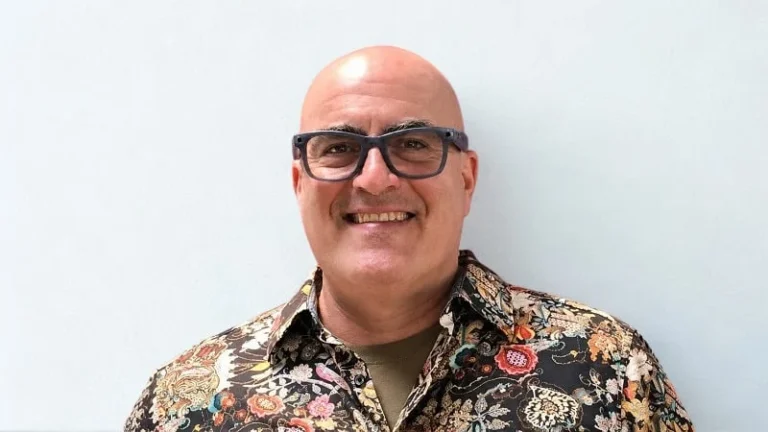
"Selective dorsal rhizotomy is most effective when a child is still able to walk," explains Virendra R. Desai, MD, a pediatric neurosurgeon and Surgical Director of the Comprehensive Epilepsy Center at CHLA. Dr. Desai, a leading voice in pediatric neurosurgery, highlights a critical, systemic issue: "Unfortunately, surgery often isn’t considered until that ability has clearly declined. By then, the window of opportunity may have closed." This sentiment echoes a broader concern within the medical community – the challenge of ensuring that the right patients receive the right treatment at the optimal time.
At CHLA, this challenge is met with a robust, integrated strategy. Specialists from the Neurological Institute, including Pediatric Neurology and Neurosurgery, along with experts from the Jackie and Gene Autry Orthopedic Center and Rehabilitation Services, collaborate closely. Their comprehensive evaluation process integrates objective gait analysis with a full spectrum of medical and surgical options, positioning CHLA as a high-volume center capable of tailoring treatment plans to each child’s specific needs.
The Irreversible March of Decline: Why Timing is Critical
The effectiveness of SDR is deeply intertwined with the child’s stage of mobility. Spasticity, if left untreated or managed suboptimally, can lead to a progressive decline in function. The constant, excessive muscle tone can cause muscle shortening, joint contractures, bone deformities, and chronic pain, all of which progressively diminish a child’s ability to walk, stand, and participate in daily activities.
SDR works by targeting the abnormal sensory feedback loop that perpetuates spasticity. By selectively cutting a small percentage of sensory nerve fibers in the spinal cord that are transmitting excessive signals from the muscles, the procedure reduces the overactivity, allowing muscles to relax and move more freely. This reduction in spasticity directly translates to improved balance, coordination, and energy efficiency during walking.
"Before SDR, a child might be able to walk about 10 minutes before needing a break," Dr. Desai illustrates, painting a vivid picture of the procedure’s impact. "After SDR and therapy, that same child may be able to walk for hours before getting tired." This transformation is not merely about increasing endurance; it’s about fundamentally altering the child’s interaction with their environment, expanding their independence, and reducing the physical burden of movement.
The paradox, as Dr. Desai points out, is that the children most likely to benefit—younger, ambulatory children with primarily lower extremity spasticity—are often the least likely to be referred for early evaluation. While these children may initially appear to be "doing well" and managing their mobility, the underlying inefficient gait patterns exact a heavy toll over time. As they grow older and heavier, their bodies require more energy to compensate for spasticity, leading to earlier fatigue and eventual decline in walking capacity. SDR intervenes to preserve this capacity, ensuring that the strength and mobility they possess in childhood can be sustained well into adulthood.
"The goal of SDR is to preserve walking, not restore it," Dr. Desai emphasizes. This distinction is crucial. While SDR can significantly improve the quality and duration of walking, it is not a cure-all for severe mobility impairments. For children who have already experienced significant walking decline, the structural changes in muscles and joints may be too advanced for SDR to be maximally effective. "For the right patient, intervening earlier can make an enormous difference over a lifetime," he concludes, underscoring the preventative power of timely intervention.
Decades of Data: Supporting Evidence and Long-Term Outcomes
The efficacy of SDR is not based on anecdotal evidence but is supported by a robust body of scientific literature, including multiple randomized controlled clinical trials. These studies have consistently demonstrated that individuals undergoing SDR experience significantly improved walking ability compared to those receiving non-surgical management alone. The benefits are not fleeting; long-term studies, tracking patients for as long as 30 years post-procedure, have confirmed the sustained gains in mobility and function, with many patients reporting walking as effectively as if they had never experienced the initial issues.
This long-term evidence is a cornerstone of the argument for early intervention. It suggests that the initial investment in SDR and subsequent rehabilitation translates into a lifetime of enhanced independence, reduced secondary complications (like joint pain and deformities), and improved overall quality of life. For families, this translates into reduced caregiving burden, increased participation in social and educational activities, and a greater sense of normalcy for their child.
The Art and Science of Selection: Identifying the Right Patients
Given that SDR is an irreversible neurosurgical procedure, accurate patient selection is paramount. A misdiagnosis or inappropriate application of SDR can lead to suboptimal outcomes or even worsen a child’s condition. A critical step in the evaluation process is distinguishing spasticity from other movement disorders, particularly dystonia, which can present with similar symptoms of muscle tightness but has a fundamentally different underlying physiology.
"Both conditions cause muscle tightness, but the underlying physiology is different," Dr. Desai clarifies. "SDR can be very effective for spasticity, but it can worsen dystonia." This stark difference underscores the need for specialized neurological expertise. While spasticity is velocity-dependent stiffness (worsening with faster movements), dystonia involves sustained or intermittent muscle contractions causing abnormal, often repetitive, movements or postures.
Quyen Luc, MD, who leads the Movement Disorders Clinic in CHLA’s Neurological Institute, explains the meticulous diagnostic process: "We don’t rely on a single test. We carefully examine how a child moves, how muscles respond to speed and position, and how those patterns change. It’s a comprehensive evaluation." This involves detailed clinical observation, assessment of muscle tone and reflexes, and a thorough neurological examination to differentiate the nuanced characteristics of each condition. For example, a child with spasticity might exhibit classic "clasp-knife" rigidity, while a child with dystonia might display twisting, repetitive movements or sustained abnormal postures that are often task-specific.
Beyond the Naked Eye: The Indispensable Role of Gait Analysis
Objective gait analysis plays an absolutely central role in this comprehensive evaluation. CHLA’s John C. Wilson Jr. Motion and Sports Analysis Lab, one of only about two dozen fully accredited pediatric gait labs in the country, provides invaluable data that complements and refines the clinical assessment. This state-of-the-art lab utilizes advanced technology to capture minute details of a child’s movement patterns during walking.
"The gait lab allows us to measure patterns we can’t see on a physical exam," says Robert M. Kay, MD, Director of the Jackie and Gene Autry Orthopedic Center at CHLA and Associates Chair in Orthopedics. Using motion capture cameras, force plates embedded in the floor, and electromyography (EMG) sensors placed on muscles, the lab generates precise data on joint angles, forces exerted across joints, and the timing and intensity of muscle activation during each phase of the gait cycle.
This objective, quantitative data is crucial for several reasons:
- Accurate Diagnosis: It helps to definitively distinguish spasticity from other movement patterns, confirming whether the muscle tightness is indeed spasticity and identifying its specific distribution and severity.
- Surgical Planning: The data informs neurosurgeons about which specific nerve roots are most overactive, guiding the precise selection of nerve fibers to be cut during SDR.
- Predicting Outcomes: By analyzing baseline gait patterns, the team can better assess a child’s likelihood of benefiting from SDR and set realistic expectations.
- Guiding Long-Term Care: Postoperative gait studies establish a new functional baseline, allowing clinicians to track whether gains are maintained over time and to tailor ongoing physical therapy programs. Dr. Kay notes, "That data helps us distinguish spasticity from other movement patterns and assess whether a child is likely to benefit from SDR."
The rarity and specialized nature of accredited pediatric gait labs like CHLA’s highlight the commitment required to provide this level of detailed, objective assessment, which is fundamental to optimal SDR outcomes.
A Holistic Approach: The Importance of Medical Management
While SDR can be transformative, it is not the sole solution for every child with spasticity. Many children are best managed through a combination of non-surgical interventions, emphasizing that a multidisciplinary center offers a full spectrum of care, not just surgical options.
"If spasticity isn’t treated appropriately, it can permanently affect muscles and joints," cautions Kevan Craig, DO, Chief of Rehabilitation Medicine at CHLA. He underscores the importance of a proactive, non-surgical approach for many patients. Medical management strategies include:
- Physical Therapy (PT): A cornerstone of spasticity management, PT focuses on stretching, strengthening, improving range of motion, balance, and gait training. It helps to prevent contractures and optimize functional mobility.
- Bracing and Orthotics: Custom-made braces and orthotics can help position joints correctly, provide support, prevent deformities, and improve walking mechanics.
- Oral Medications: Muscle relaxants and antispasmodics can help reduce overall muscle tone, though they often come with systemic side effects.
- Botulinum Toxin Injections: These injections can temporarily relax specific muscles, providing targeted relief from spasticity, particularly for focal areas. They are often used in conjunction with physical therapy.
"Medical management, combined with physical therapy, is critical for reducing pain and supporting joint health and function," Dr. Craig asserts. This integrated approach ensures that even for children not undergoing SDR, their spasticity is managed effectively to minimize its long-term impact on their musculoskeletal system and overall quality of life.
The Pillars of Post-Operative Success: Intensive Rehabilitation
For children who do undergo SDR, the surgery marks a new beginning, but it is far from the end of their journey. "Surgery sets the stage, but long-term gains in mobility depend on intensive rehabilitation," Dr. Desai emphasizes. The reduction in spasticity following SDR allows muscles to move more freely, but children must then learn to use these newly liberated muscles effectively.
Post-SDR rehabilitation is typically intensive and highly specialized. It involves:
- Strengthening: Building muscle strength, particularly in the core and lower extremities, to support new movement patterns.
- Balance and Coordination Training: Re-educating the brain and body to work together without the interference of spasticity.
- Gait Retraining: Teaching more efficient and stable walking patterns, often involving assistive devices initially.
- Endurance Training: Gradually increasing the child’s capacity for sustained physical activity.
- Occupational Therapy: Focusing on fine motor skills and activities of daily living.
This rehabilitation phase requires significant commitment from the child, their family, and the therapy team. It can last for several months to a year, or even longer, as the child adapts to their new motor control and builds strength. The objective gait analysis performed before surgery also becomes invaluable here, providing a baseline against which progress can be measured and therapy adjusted.
A Call to Action: Bridging the Referral Gap and Empowering Families
The overarching implication of this body of knowledge and clinical experience is clear: early, expert evaluation is not merely beneficial; it is essential for children with spasticity. The persistent challenge of late referrals suggests a need for greater awareness among primary care pediatricians, general neurologists, and even parents themselves.
Reasons for delayed referrals can be multifaceted:
- Lack of awareness: Many general practitioners may not be fully informed about the potential of SDR or the optimal timing for evaluation.
- Fear of surgery: Understandably, parents may be hesitant to consider a neurosurgical procedure unless absolutely necessary, often waiting until symptoms are severe.
- Misconceptions: Some may believe that SDR is only for the most severely affected children or that its benefits are not long-lasting.
Empowering families to advocate for early evaluation is critical. Parents should feel comfortable asking their pediatricians about comprehensive spasticity management and referral to specialized centers. The long-term economic and social benefits of preserving a child’s mobility—including reduced need for assistive devices, decreased healthcare costs related to secondary complications, and increased opportunities for education and employment—far outweigh the initial investment in timely, specialized care.
Ultimately, children with spasticity thrive when evaluated at high-volume centers like CHLA, which can offer the full spectrum of care, from medical management and rehabilitation to advanced surgical interventions like SDR. "We tailor treatment to what each child needs," Dr. Desai affirms. "That includes recognizing who will benefit from surgery—and making sure that opportunity isn’t missed."
By bridging the referral gap and fostering a greater understanding of the critical window for intervention, the medical community can ensure that more children with spasticity are given the chance to unlock their full potential, walk independently, and live a life unburdened by preventable mobility decline.
To learn more about spasticity management or to refer a patient, please contact CHLA’s Spasticity team.