In a landmark study published in the prestigious journal Nature, a team of researchers led by Dr. André Veillette has unveiled a previously unknown mechanism by which cancer cells evade the human immune system. This discovery, centered on a molecule known as SLAMF6, promises to redefine the landscape of cancer immunotherapy, potentially offering a lifeline to patients for whom current treatments have proven ineffective.
The study, conducted at the Montreal Clinical Research Institute (IRCM) and the Université de Montréal, identifies SLAMF6 as a unique "internal brake" on T cells—the body’s frontline soldiers in the fight against malignancy. Unlike conventional immune checkpoints that require external cues from tumor cells to activate, SLAMF6 operates autonomously, effectively silencing the immune response from within. By developing specialized monoclonal antibodies to neutralize this mechanism, the researchers have opened a new frontier in precision oncology.
The Main Facts: A Paradigm Shift in Immunotherapy
For decades, the field of cancer immunotherapy has been dominated by the success of immune checkpoint inhibitors, most notably those targeting the PD-1 and PD-L1 pathways. These therapies function by removing the "brakes" that tumors place on T cells, allowing the immune system to recognize and attack cancerous growth. However, the medical community has long grappled with a significant limitation: a substantial percentage of patients fail to respond to these treatments initially, or they develop resistance over time.
The research led by Dr. Veillette—a medical professor at the Université de Montréal and director of the Molecular Oncology Research Unit at the IRCM—introduces a critical distinction in how T cell suppression occurs. While most known checkpoints rely on a "lock and key" interaction where a tumor cell binds to a receptor on a T cell to induce exhaustion, SLAMF6 functions as a self-activating mechanism.
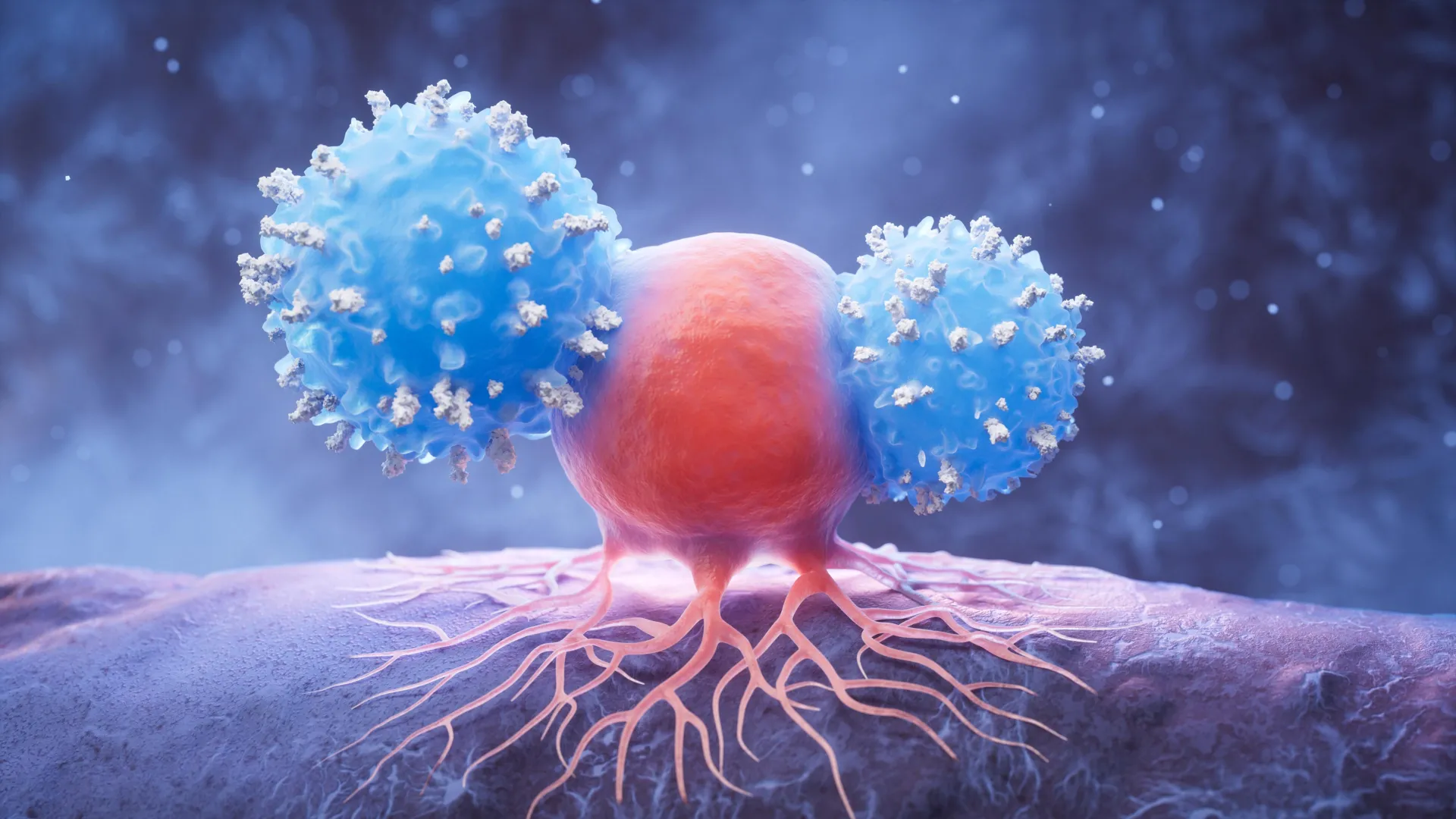
When SLAMF6 molecules on the surface of a T cell bind to one another—a process known as homophilic interaction—they transmit inhibitory signals that paralyze the T cell’s ability to mount an attack. By identifying this autonomous suppression, the team has successfully targeted a mechanism that was previously invisible to standard therapeutic approaches.
Chronology: From Lab Bench to Breakthrough
The discovery of SLAMF6’s role is the result of years of meticulous translational research. The project began with a fundamental question: Why do T cells, which are theoretically capable of killing cancer, often become "exhausted" and ineffective in the presence of a tumor?
Early Investigations (2018–2020)
The team initially mapped the surface proteins of T cells in the microenvironment of solid tumors. They observed that SLAMF6 was frequently upregulated in exhausted T cells. However, the precise function of this molecule remained elusive, as it did not behave like the typical checkpoints being studied at the time.
The Mechanism Discovery (2021–2022)
Through high-resolution imaging and genetic knockout models, the team discovered that SLAMF6 was not just a passive marker of exhaustion, but an active participant in suppressing immune function. They observed that the molecule could cluster on the surface of the T cell and initiate inhibitory signaling cascades without needing any input from the cancer cell itself. This was the "Eureka" moment: the immune system was essentially sabotaging its own response.
Antibody Development (2023)
Armed with this knowledge, Dr. Veillette’s team began engineering monoclonal antibodies. These laboratory-designed proteins were engineered to bind specifically to the SLAMF6 molecule, preventing it from interacting with other SLAMF6 molecules on adjacent cells. By physically blocking this self-binding, the antibodies effectively "release" the internal brake, allowing the T cells to regain their cytotoxic capabilities.
Validation and Publication (2024)
Following successful trials in mouse models, which demonstrated both safety and a robust reduction in tumor burden, the study was submitted to Nature. The peer-review process confirmed the significance of the findings, leading to the formal announcement that has now galvanized the oncological research community.
Supporting Data: Why This Approach Outperforms Current Standards
The efficacy of the newly developed antibodies lies in their specificity. In comparative laboratory testing, the team measured the ability of T cells to infiltrate tumors and secrete cytokines (the chemical messengers of an immune response) after treatment with the anti-SLAMF6 antibodies.
Key findings from the study include:
- Reversal of Exhaustion: T cells treated with the antibody showed a significant upregulation in effector functions, including the production of Interferon-gamma and Granzyme B, which are essential for tumor cell destruction.
- Superiority Over Existing Targets: The team compared their antibodies against other experimental targets. The SLAMF6-targeted approach consistently demonstrated a higher rate of tumor regression in models where PD-1/PD-L1 inhibitors had previously failed.
- Persistence: A major hurdle in immunotherapy is the "memory" of T cells. The data suggests that blocking SLAMF6 not only activates T cells but also appears to promote the survival of memory T cells, which could lead to longer-lasting protection against tumor recurrence.
These findings suggest that SLAMF6 is not merely another checkpoint, but a fundamental regulator of T cell fitness. By neutralizing it, the researchers have effectively "re-energized" the immune system’s natural anti-tumor arsenal.
Official Responses: A New Chapter in Oncology
The reaction from the scientific and clinical community has been one of cautious optimism and intense excitement.
Dr. Jean-François Côté, President and Scientific Director of the IRCM, lauded the breakthrough as a transformative moment for the institute. "The discovery made by Dr. Veillette’s team opens the door to a new chapter in immunotherapy," Côté remarked. "By identifying an internal brake that had until now gone unrecognized, and by developing antibodies capable of neutralizing it, our researchers are offering an innovative solution to the limitations of current treatments."
Côté further emphasized the strategic importance of the work: "Rooted in a strategic vision to develop precision therapeutics, this breakthrough brings real hope to many patients and stands as a strong example of the impact of the translational research conducted at the IRCM."
The research was made possible through the support of several major Canadian institutions, including the Canadian Institutes of Health Research (CIHR), the Terry Fox Research Institute, BioCanRx, the Québec Ministry of Economy, Innovation and Energy, and the Canadian Foundation for Innovation. This collaborative effort highlights the importance of multidisciplinary funding in tackling the complexities of cancer biology.
Implications: The Road to Clinical Application
The potential implications for patient care are profound. With the preclinical phase successfully completed, the focus now shifts toward clinical translation.
Potential for Combination Therapies
One of the most promising avenues for the anti-SLAMF6 antibodies is their use in combination with existing therapies. Because SLAMF6 functions independently of the PD-1/PD-L1 pathway, it is highly likely that a "cocktail" approach—using both anti-SLAMF6 and anti-PD-1/PD-L1—could provide a synergistic effect. By attacking the immune system’s suppression from two different angles, doctors may be able to force a response in patients who were previously classified as "non-responders."
Addressing Resistance
For patients who have undergone immunotherapy and seen their cancer return, the anti-SLAMF6 approach represents a crucial "second-line" or even "first-line" alternative. By bypassing the resistance mechanisms that tumors often develop against PD-1 inhibitors, this new class of drugs could offer a renewed opportunity for remission.
Future Clinical Trials
The next phase of the project will involve early-stage (Phase I/II) clinical trials. These studies will be critical in determining the safety profile of the antibodies in human subjects, identifying the optimal dosage, and establishing which types of cancers—ranging from solid tumors to various forms of blood cancer—are most susceptible to this mode of treatment.
While the journey from the laboratory to the pharmacy shelf is complex and fraught with regulatory hurdles, the discovery of the SLAMF6 mechanism provides a clear, actionable target. For thousands of cancer patients, this research represents more than just a scientific paper; it represents the possibility of a future where the body’s own immune system is finally given the tools it needs to win the war against cancer.
As the scientific community awaits the results of upcoming human trials, one thing remains clear: the "hidden brake" has been found, and the path to turning it off is finally within reach.