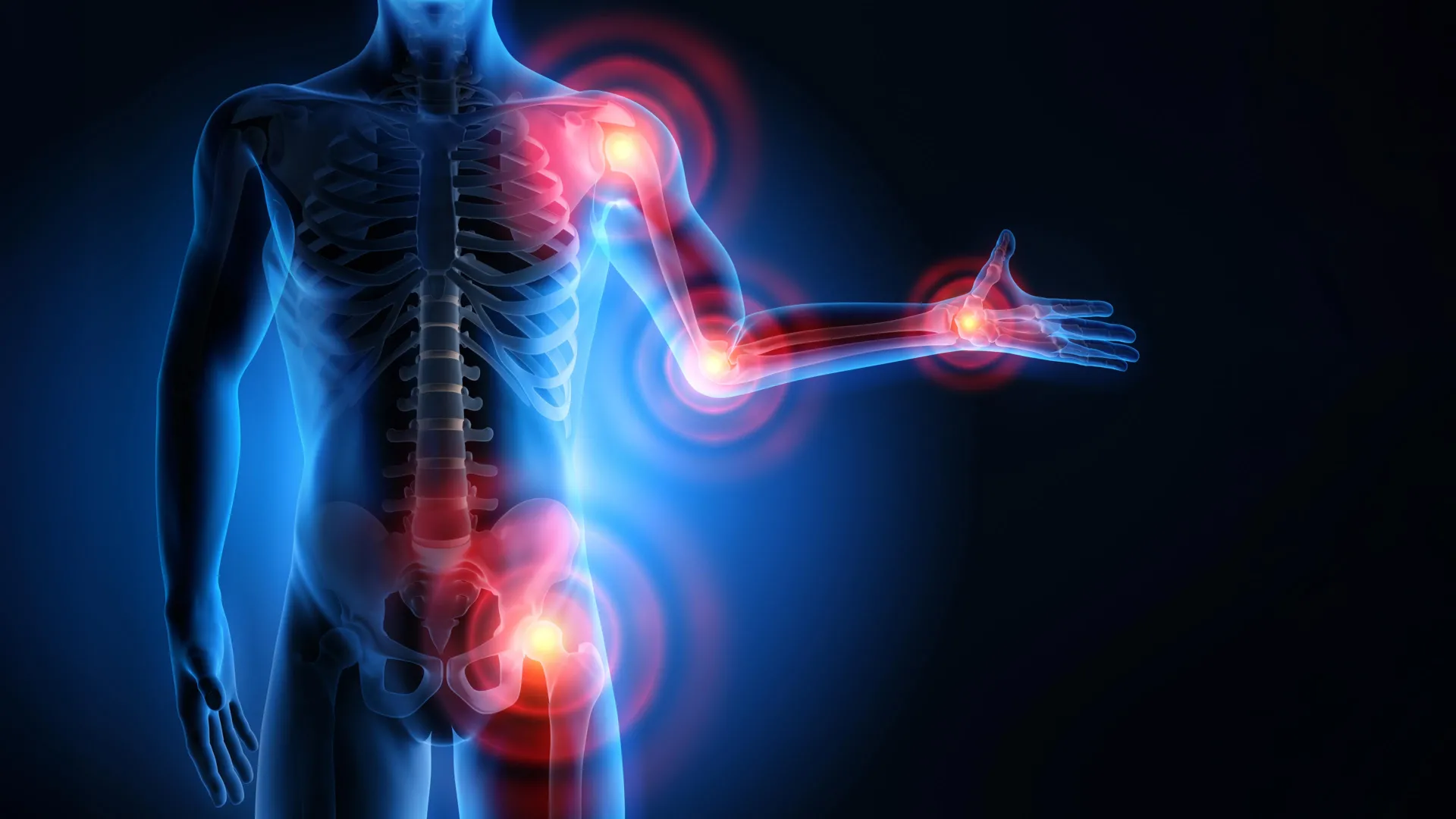
For millions of people worldwide, the daily ritual of taking a statin is a cornerstone of cardiovascular health. These medications, which inhibit the liver enzyme HMG-CoA reductase, have revolutionized the prevention of heart attacks and strokes, effectively acting as a pharmacological shield against early mortality. Yet, for a significant subset of the population—estimated between 7% and 29%—this life-saving intervention comes at a cost. Many patients report debilitating muscle pain, persistent weakness, and an exercise intolerance that often forces them to abandon treatment, inadvertently placing themselves back in the path of cardiovascular risk.
Now, a groundbreaking study led by researchers at McMaster University has shed new light on this clinical dilemma. By identifying a previously unrecognized biological pathway, the team has uncovered the "why" behind statin-induced muscle side effects, offering a potential roadmap for treatments that could mitigate discomfort without compromising the life-saving benefits of the drugs.
The Statin Dilemma: A Balancing Act of Risk and Reward
Statins are arguably the most successful class of drugs in modern cardiology. By lowering low-density lipoprotein (LDL) cholesterol, they have prevented countless premature deaths. However, the prevalence of "statin intolerance"—the clinical inability to tolerate a statin at a dose necessary to reach cholesterol-lowering goals—remains a major barrier in public health.
When a patient experiences muscle pain, or myalgia, they often face a difficult choice: continue a medication that impairs their quality of life, or discontinue it and risk a secondary cardiac event. Until now, the medical community’s understanding of why these side effects occur has been frustratingly incomplete. While the correlation between statins and muscle distress has been documented for decades, the precise molecular mechanism remained elusive. The findings, published in the prestigious journal Science Advances, shift the focus from simple metabolic interference to a complex interplay between the immune system and muscle cell energy production.
Chronology of Discovery: Mapping the Muscle-Immune Interface
The investigation was spearheaded by lead authors Nazli Robin and Nicole Barra, working within the Schertzer Lab at McMaster University. Their approach was multi-disciplinary, requiring an international collaboration that spanned Canada, France, and Australia.
Phase 1: The Energy Disruption
The research team began by investigating the fundamental impact of statins on muscle cell metabolism. They observed that statins do more than just lower cholesterol; they actively interfere with the metabolic pathways muscle cells use to generate energy. This metabolic strain acts as a stressor, triggering a distress signal within the cellular machinery.
Phase 2: The Immune Response
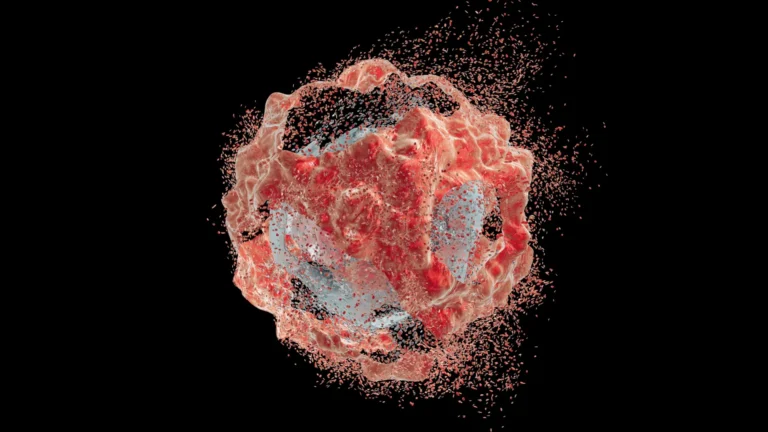
In a surprising twist, the researchers discovered that this metabolic stress initiates an internal immune response. Muscle cells, which are not traditionally viewed as primary immune actors, began to deploy inflammatory mechanisms in response to the statin-induced energy crisis. This internal inflammation, the team found, is the direct precursor to the tissue damage that patients perceive as muscle pain and weakness.
Phase 3: Validation in Models
Using both sophisticated muscle cell cultures and mouse models, the team tested whether blocking this specific immune pathway could protect the muscle. The results were striking: by inhibiting the immune response, the researchers were able to prevent a significant portion of the muscle damage typically associated with statin exposure.
Supporting Data: The Magnitude of the Problem
The clinical implications of this study are underscored by the sheer volume of patients affected by statin intolerance. The variability in reported symptoms—ranging from 7% to 29%—highlights a lack of standardization in how clinicians diagnose and report these side effects.
Historically, scientists believed that muscle damage was a secondary effect of the liver-focused mechanism of the drug. However, the McMaster study challenges this dogma. By identifying a distinct pathway that separates cholesterol lowering from immune activation, the researchers have provided empirical evidence that the "side effect" is not an inevitable byproduct of the "main effect."
The study’s data suggests that the immune pathway is a discrete target. This is a critical distinction in pharmacology. If the mechanism for muscle damage were inextricably linked to the mechanism for cholesterol reduction, creating a safer statin would be nearly impossible. Because the mechanisms appear to be separate, the possibility of a "statin-plus" therapeutic—a drug that lowers cholesterol while simultaneously blocking the immune-mediated muscle pain—moves from the realm of theory into the realm of potential clinical development.
Official Responses and Expert Perspectives
Jonathan Schertzer, a professor in McMaster’s Department of Biochemistry and Biomedical Sciences and the senior author of the study, emphasized the clinical necessity of these findings.
"Statins are among the most effective medications we have for reducing cardiovascular disease risk and preventing early death," Schertzer noted. "Unfortunately, muscle side-effects lead some people to reduce their dose or stop taking the medication altogether. We wanted to understand why this happens and whether it might be possible to separate the side-effects from the benefits."
Schertzer’s optimism is shared by the broader scientific community, who view the findings as a significant step forward in personalized medicine. By uncovering the metabolic-immune axis, the research provides a new lens through which to view not only statins but potentially other medications that trigger unexplained inflammatory responses in peripheral tissues.
Implications for Future Clinical Practice
The road from a laboratory discovery to a pharmacy shelf is long, and the researchers are the first to emphasize that more work is required before these findings translate into new patient therapies. Nevertheless, the implications are profound:
1. Therapeutic Targeting
The study provides several potential targets for drugs that could be co-administered with statins. By identifying the proteins or cytokines involved in the muscle-specific immune response, pharmaceutical researchers can begin screening for inhibitors that would silence the inflammatory signal without impacting the statin’s ability to lower cholesterol.
2. Biomarker Development
One of the greatest challenges in treating statin-intolerant patients is the lack of objective diagnostic tools. Often, a patient’s report of pain is subjective, and standard blood tests (like creatine kinase) do not always correlate with the severity of the patient’s discomfort. If this immune-related pathway can be measured, clinicians might one day be able to identify "at-risk" patients before they ever experience a symptom, allowing for proactive adjustments to medication regimens.
3. A New Paradigm for Inflammation
Perhaps the most significant long-term implication is the paradigm shift in how we understand the relationship between metabolism and the immune system. The discovery that muscle cells can orchestrate an inflammatory response to metabolic stress opens new avenues for research into chronic muscle diseases, aging, and exercise-induced inflammation.
A Global Effort
The magnitude of this research necessitated a truly global collaboration. The project integrated expertise from the Centre International de Recherche en Infectiologie (CIRI) in Lyon, France; the Centre for Muscle Research at the University of Melbourne; the Murdoch Children’s Research Institute; and The Royal Children’s Hospital in Australia. York University and McMaster’s Department of Pathology and Molecular Medicine provided essential support in molecular analysis.
This cross-continental cooperation, funded by the Natural Sciences and Engineering Research Council of Canada (NSERC), highlights the importance of institutional diversity in solving complex pharmacological riddles.
Conclusion: The Path Ahead
For the millions of patients who struggle with the side effects of their cardiovascular treatment, the McMaster University study offers a long-awaited glimpse of a future where heart health does not come at the expense of physical comfort. While the findings in Science Advances do not provide an immediate clinical fix, they have successfully unlocked a biological secret that has confounded medicine for years.
By decoupling the cholesterol-lowering benefit from the immune-mediated muscle damage, researchers have laid the groundwork for a new generation of safer, more tolerable treatments. As the scientific community continues to explore the metabolic-immune axis, the dream of "painless" cholesterol management appears closer than ever, promising a future where patients can protect their hearts without sacrificing their quality of life.