For millions of people worldwide, the daily ritual of taking a statin is a cornerstone of cardiovascular health. These life-saving medications, designed to lower low-density lipoprotein (LDL) cholesterol, have been instrumental in curbing the global burden of heart disease and stroke. Yet, a significant portion of the patient population faces a difficult trade-off: the promise of a healthier heart versus the reality of debilitating muscle pain, weakness, and exercise intolerance.
For years, this "statin intolerance" has been a frustrating clinical roadblock, often forcing patients to lower their doses or abandon treatment entirely, thereby increasing their risk of cardiovascular events. However, a groundbreaking study from McMaster University, recently published in the journal Science Advances, has unveiled a previously unknown biological mechanism that explains how these side effects occur. This discovery not only sheds light on a long-standing medical mystery but opens the door to a new generation of treatments that could preserve the life-saving benefits of statins while neutralizing their unwanted side effects.
The Statin Dilemma: Balancing Efficacy and Tolerance
Statins function primarily by inhibiting the enzyme HMG-CoA reductase, which plays a central role in the liver’s production of cholesterol. By reducing the liver’s output, the body increases its clearance of LDL cholesterol from the bloodstream. While the cardiovascular efficacy of this process is undisputed, the systemic nature of the drug means it affects tissues beyond the liver, particularly skeletal muscle.
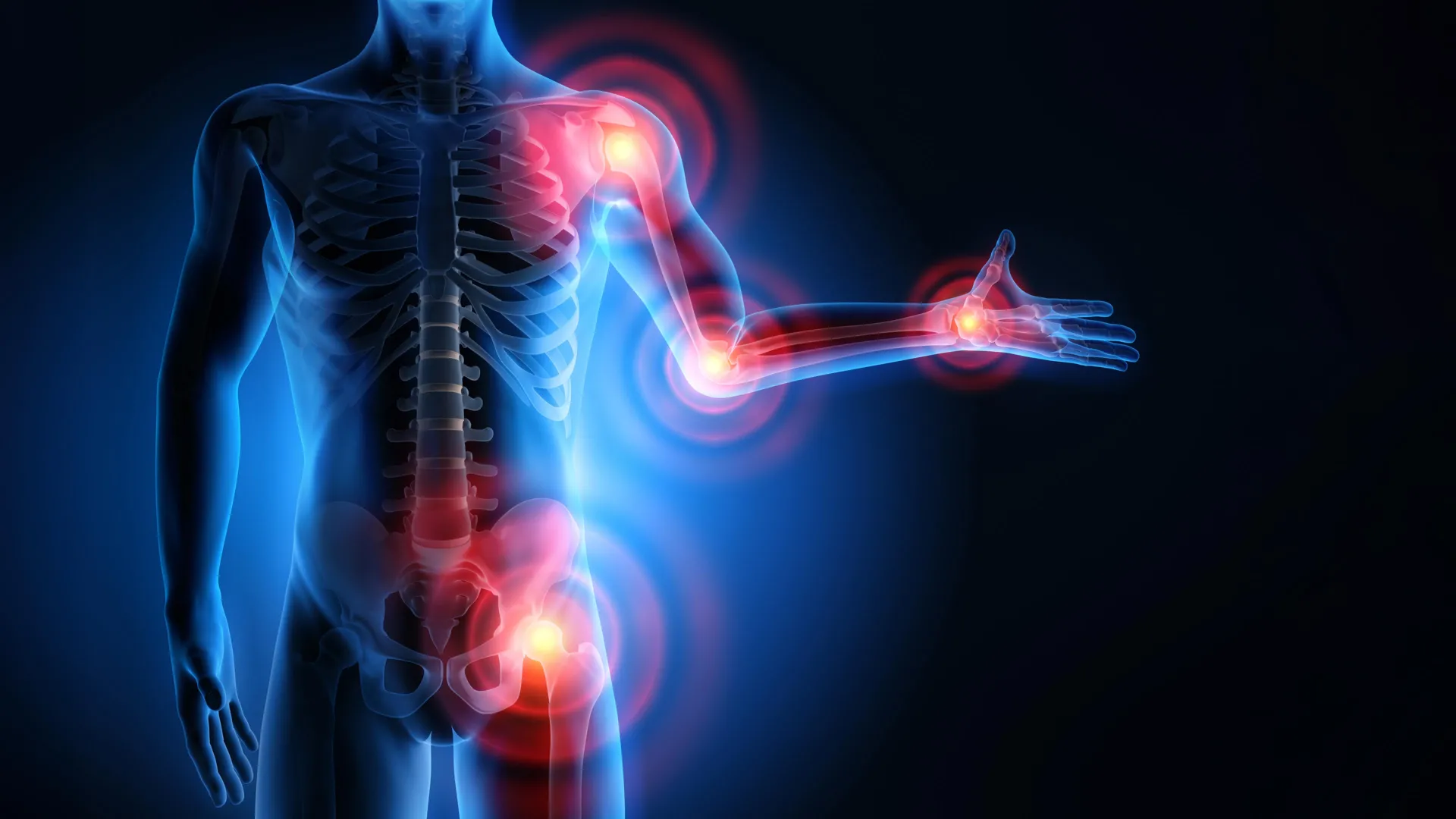
According to clinical estimates, between seven and 29 percent of statin users report some form of muscle-related discomfort. These symptoms, often referred to as Statin-Associated Muscle Symptoms (SAMS), range from mild soreness to severe myalgia and weakness. For many, these symptoms manifest during physical activity, creating a vicious cycle where patients become less active, further exacerbating their cardiovascular risk.
Despite decades of clinical use, the exact biological pathway leading to these muscle issues remained elusive—until now.
Unveiling the Mechanism: A Chronology of Discovery
The research team at McMaster University, led by senior author Jonathan Schertzer, a professor in the Department of Biochemistry and Biomedical Sciences, set out to decouple the drug’s cholesterol-lowering efficacy from its toxic muscle side effects.
The Initial Hypothesis
The journey began with the researchers observing that statins were doing more than just disrupting cholesterol synthesis; they were fundamentally altering the metabolic environment within muscle cells. Under the guidance of first authors Nazli Robin and Nicole Barra, the team began to investigate whether the disruption of muscle cell energy production triggered a secondary biological response.
The Breakthrough: The Immune-Metabolic Link
Through a series of rigorous experiments involving both isolated muscle cells and mouse models, the researchers identified a surprising interaction: when statins interfered with the muscle cell’s ability to generate energy, the cells responded by activating their own internal immune pathway. This activation essentially put the muscle cells in a state of inflammatory stress, leading to tissue damage.
"The mechanism appears to contribute to muscle damage caused by statins and challenges earlier ideas about the origins of these side effects," Schertzer noted. By blocking this specific immune response in their experimental models, the researchers were able to prevent significant muscle damage without hindering the drug’s primary function.
The "Aha!" Moment
The most pivotal realization of the study was the separation of the two processes. Historically, it was assumed that muscle damage was an inevitable consequence of the biochemical pathway that lowered cholesterol. The McMaster team’s findings suggest that the metabolic disruption and the subsequent immune response operate on a parallel, yet distinct, track from the cholesterol-lowering mechanism. This distinction is the "holy grail" of statin research: the ability to treat the heart while sparing the muscles.
Supporting Data and Collaborative Scope
The scale of this research reflects its significance, involving a multi-year, international collaboration. The study brought together experts from:
- Centre International de Recherche en Infectiologie (CIRI), Lyon, France
- Centre for Muscle Research, University of Melbourne, Australia
- Murdoch Children’s Research Institute & The Royal Children’s Hospital, Australia
- York University, Canada
- McMaster’s Department of Pathology and Molecular Medicine, Canada
The inclusion of international institutions highlights the global nature of the statin intolerance problem. Funding for the initiative was provided by the Natural Sciences and Engineering Research Council of Canada (NSERC), underscoring the importance of basic biomedical research in solving widespread public health challenges.
The data generated from the mouse models provided clear visual and chemical evidence of the inflammatory cascade. When statin exposure occurred, the muscle cells exhibited an upregulation of specific inflammatory markers. When the team inhibited the immune pathway, the metabolic efficiency of the cells improved, and the physical markers of muscle degradation were significantly reduced.
Official Responses: A Paradigm Shift in Cardiology
The medical community has received the findings with cautious optimism. For practitioners who manage patients with high cardiovascular risk, the potential for a "statin-adjunct" therapy—a medication that could be taken alongside a statin to prevent muscle pain—is a transformative prospect.
"Statins are among the most effective medications we have for reducing cardiovascular disease risk and preventing early death," said Schertzer. "Unfortunately, muscle side-effects lead some people to reduce their dose or stop taking the medication altogether. We wanted to understand why this happens and whether it might be possible to separate the side-effects from the benefits."
The consensus among the research team is that while this is not an immediate clinical fix, it provides a "roadmap" for drug developers. By targeting the immune-metabolic pathway specifically, pharmaceutical researchers could develop a secondary treatment that prevents the muscle-damaging immune response, allowing patients who are currently intolerant to statins to return to their optimal cardiovascular regimen.
Implications for Future Patient Care
The implications of this study reach far beyond the immediate context of statins. The connection between metabolism and the immune system—often termed "immunometabolism"—is a burgeoning field of study.
1. Precision Medicine in Cardiology
If doctors can identify which patients are genetically or biologically predisposed to this specific immune response, they could potentially prescribe "statin-plus-protector" therapies as a standard of care. This would represent a major step forward in personalized medicine.
2. Broadening the Research Scope
The study suggests that inflammation may play a much larger role in drug side effects than previously understood. The discovery that muscle cells can act as their own "immune sensors" provides a template for future researchers to examine how other medications might inadvertently trigger similar pathways in other tissues.
3. Improving Adherence
The greatest impact, however, remains patient adherence. Many patients who stop taking statins due to muscle pain do so without consulting their physicians, often leading to avoidable heart attacks or strokes. By providing a biological explanation for their pain, this research validates the patient experience, which is essential for maintaining trust in the doctor-patient relationship.
Moving Forward: From the Lab to the Pharmacy
Despite the excitement surrounding these results, the path from a laboratory study to a prescription bottle is long. The researchers emphasize that more work is needed to validate these findings in human clinical trials. Scientists must now determine the precise dosage and safety profiles for any potential drug that would target this newly identified immune pathway.
"These findings give us a clearer understanding of why some patients experience muscle symptoms and provide promising directions for making these important medications safer and more effective in the future," Schertzer concluded.
As the scientific community digests these results, the focus will shift toward clinical translational research. The hope is that the pathway identified at McMaster University will serve as a target for a new class of pharmaceutical agents, ensuring that the next generation of cardiovascular care is not only effective but also universally tolerable.
For the millions of patients currently struggling with the "statin paradox," this discovery is more than just academic; it is a flicker of hope that the future of heart health will no longer require choosing between a healthy heart and a pain-free life. Through the lens of immunometabolism, the future of cardiovascular medicine looks brighter, and significantly more comfortable, for all.