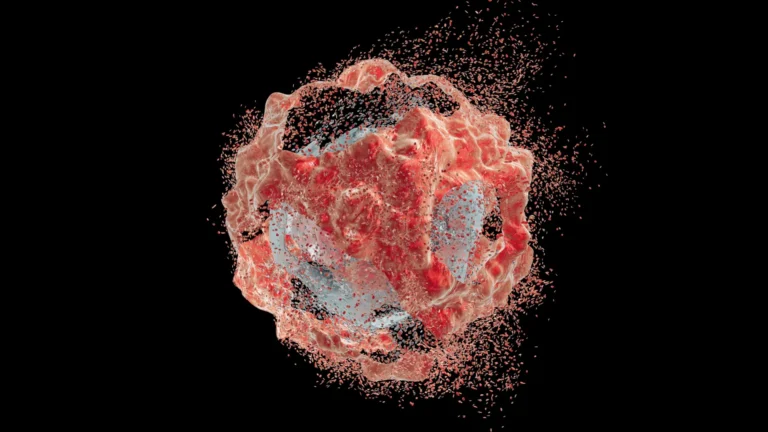



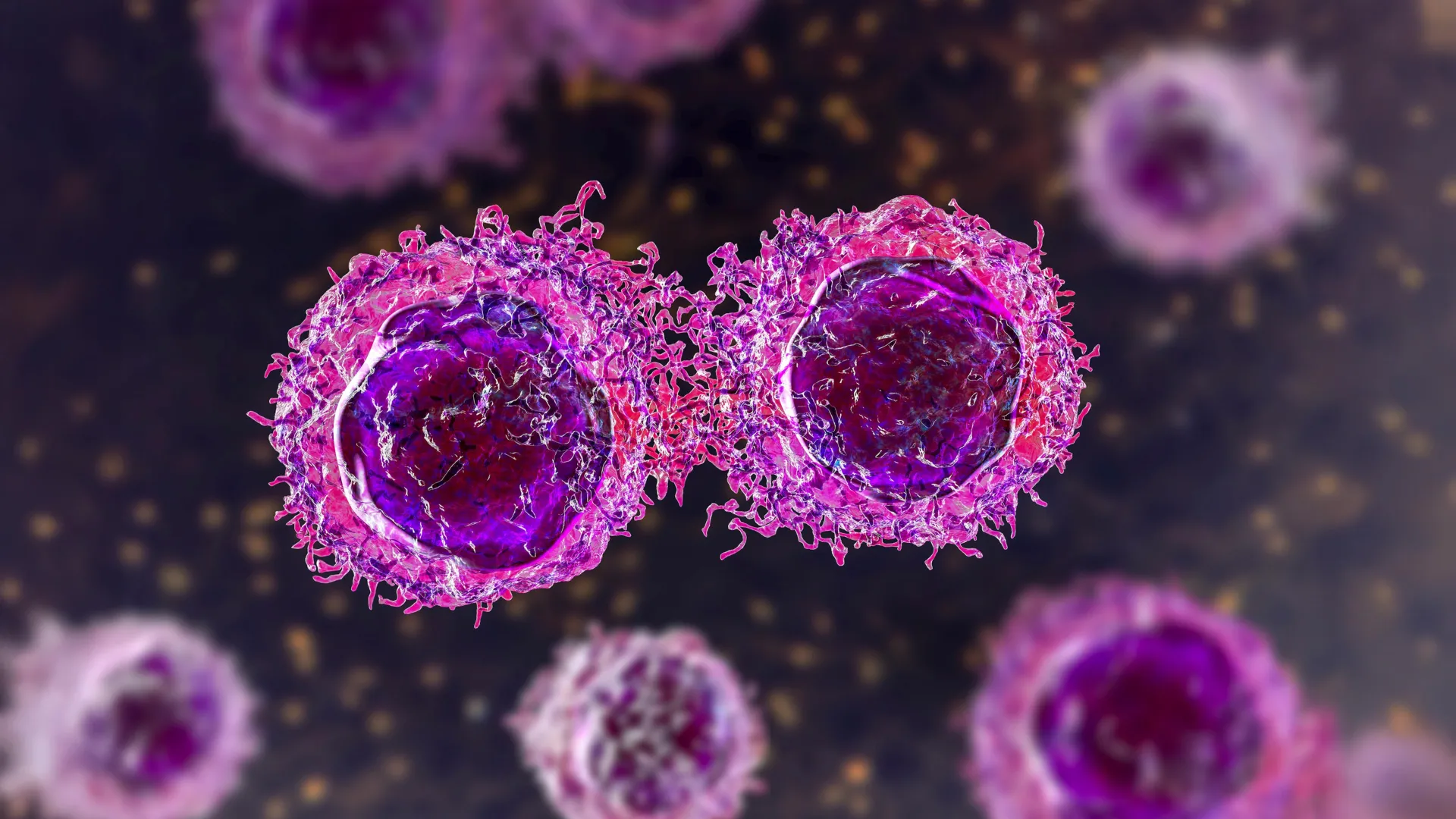
In the high-stakes battle between the human immune system and malignant tumors, cancer cells are masters of disguise. One of their most potent survival tactics is the construction of a “glycocalyx”—a dense, sugar-rich exterior coating that acts as a sophisticated camouflage, effectively rendering the cancer invisible to the immune system’s patrol cells.
New research published on August 7, 2026, in the journal Science Advances has peeled back the curtain on this process. Scientists at the Sanford Burnham Prebys Medical Discovery Institute, in collaboration with institutions across North America, have identified the precise environmental triggers that allow cancer cells to manufacture this protective shield. By mapping the relationship between glucose levels, mechanical stress, and a critical protein known as HSF1, the researchers have unearthed a potential "Achilles’ heel" that could revolutionize immunotherapy.
The Biophysics of the Tumor Microenvironment
For decades, oncology research has focused heavily on the genetic mutations driving cancer. However, the work led by Kevin Tharp, PhD, assistant professor in the Cancer Metabolism and Microenvironment Program at the Sanford Burnham Prebys NCI-Designated Cancer Center, shifts the focus toward the "tumor microenvironment"—the complex ecosystem of blood vessels, connective tissue, immune cells, and nutrients that surround a tumor.
Tharp’s curiosity was initially piqued by the physical reality of tumors. "Primary tumors are typically stiffer than their surrounding tissue," Tharp explains. "This led me to hypothesize that the biophysical properties of cells influence the altered metabolic programs that everyone observes in tumors."
Tharp had previously investigated how mechanical pressure on cells could induce unexpected shifts in mitochondrial function. By applying this logic to oncology, he and his team posited that the physical rigidity of a tumor might be a catalyst for metabolic reprogramming. This hypothesis challenged the long-held notion that metabolic shifts—such as the reduced oxidative metabolism of glucose—were merely hard-coded features of cancer cells. Instead, Tharp’s team suspected that the environment itself dictates these behaviors.
Chronology of the Discovery: A Multi-Stage Investigation
To test this, the research team designed a rigorous experimental framework to simulate the conditions of a human tumor. The study unfolded through several critical phases:
1. Simulating the Environment
The researchers cultivated cells under varying physical conditions. Some were placed in "stiff" environments to mimic the density of a primary tumor, while others were grown in "soft" environments to replicate healthy, non-malignant tissue.
2. Formulating Physiological Media
Beyond physical stiffness, the team addressed the nutritional aspect. Standard laboratory culture media often fails to reflect the true metabolic environment of the human body. The team created a specialized medium that closely matched the nutrient composition found in human physiology. They then introduced varying glucose levels, specifically testing the effects of hyperglycemia—a condition characterized by high blood sugar.
3. Observing the Glycocalyx
The team tracked how these variables affected the production of glycoconjugates—the carbohydrate-based structures that form the glycocalyx. The results were striking: the protective sugar coating thickened significantly, but only when the cells were subjected to a combination of physical stiffness and elevated glucose levels within the physiological medium.
The Role of HSF1: The Molecular Architect
The most significant breakthrough in the study was the identification of the molecular machinery behind this shielding process. When cells were exposed to hyperglycemia, their internal protein expression changed. The researchers highlighted Heat Shock Factor 1 (HSF1), a protein historically associated with cellular stress responses and the survival of cells under extreme heat.
"We found that HSF1 was not just a passive bystander," the team reported. By manipulating the presence and absence of HSF1, the researchers observed a direct correlation with the composition of the glycocalyx. In environments mimicking the tumor microenvironment, HSF1 acted as the primary architect, coordinating the assembly of the sugar shield. Without HSF1, the cancer cells were unable to effectively build the protective barrier, leaving them exposed to immune surveillance.
Supporting Data and Implications for Metabolic Health
The study’s findings provide a crucial biological link between the global rise in metabolic syndrome and cancer progression. As type 2 diabetes and obesity become more prevalent, the incidence of chronic hyperglycemia is climbing. While it has been well-documented that high blood sugar correlates with poor cancer outcomes, the "why" has remained elusive.
Tharp’s research offers a clear, plausible mechanism: hyperglycemia is not just a secondary symptom of a sick patient; it is an active fuel source that helps tumors construct an immune-evasive armor. This suggests that for patients with metabolic dysfunction, their own physiological state is inadvertently providing their tumors with a survival advantage.
Official Responses and the Path to New Therapies
The implications of this study are profound for the field of immunotherapy. Current treatments, such as checkpoint inhibitors, rely on the immune system identifying cancer cells as "foreign." If those cells are hidden behind a thick, sugar-derived wall, the immune system remains blind to the threat.
"Our findings indicate that changes in mitochondrial function lead to the synthesis of cell surface sugar-derived molecules that make it difficult for the immune system to recognize and kill cancer cells," says Tharp. "Now that we know this, this creates an enormous drug discovery opportunity to take away the surface coating that protects them from immune surveillance."
The "Stripping" Strategy
The research team is now optimistic that targeting HSF1 could become a standard therapeutic intervention. By using pharmacological agents to inhibit HSF1, clinicians might be able to “strip” the glycocalyx away, essentially forcing the cancer cell to reveal its true identity to the immune system.
"We think this will be a really effective strategy to attack metastatic disease and improve immunotherapy responses," Tharp added. The strategy represents a move toward “metabolic oncology,” where the physician treats not just the cancer, but the specific micro-environmental and metabolic conditions that allow the cancer to thrive.
Looking Ahead: A New Frontier in Oncology
The research, supported by the National Institutes of Health, the National Cancer Institute, the National Foundation for Cancer Research, the Canada Excellence Research Chair in Glycomics, and the Ovarian Cancer Research Alliance, serves as a wake-up call for the medical community.
As the study concludes, the researchers emphasize that the interaction between systemic metabolism and tumor biology is far more intimate than previously thought. The goal now is to translate these laboratory findings into clinical trials. If successful, this could provide a dual-benefit approach: controlling systemic glucose levels to manage the "fuel" for cancer, while using targeted HSF1 inhibitors to dismantle the "armor" of the tumor itself.
For patients and families, this discovery offers a renewed sense of hope. It highlights that even the most "invisible" enemies have structural weaknesses. By understanding the metabolic language of the tumor microenvironment, medicine is one step closer to ensuring that the immune system can do what it was designed to do: find, recognize, and eliminate cancer once and for all.