








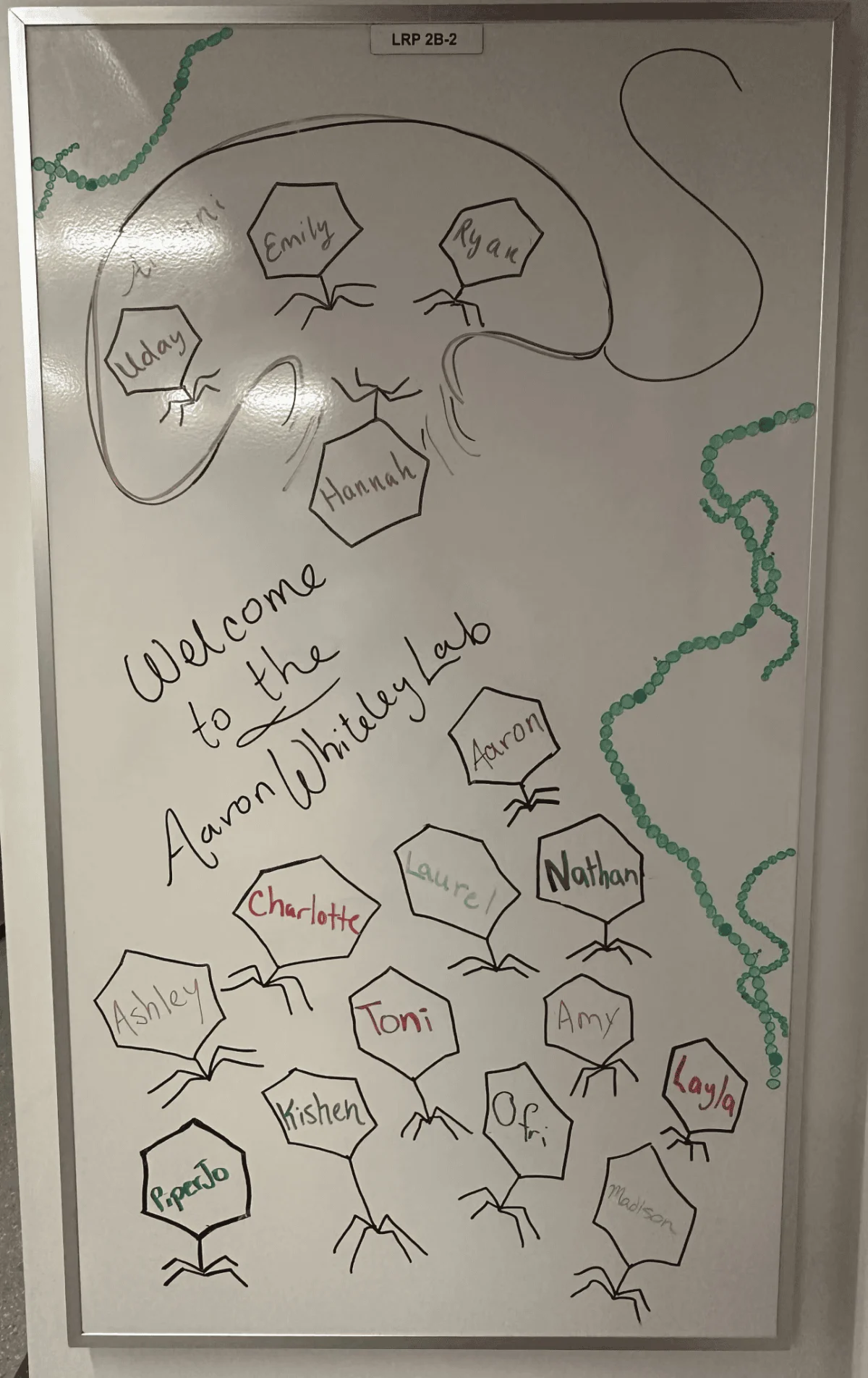
In the high-stakes world of modern oncology, the most groundbreaking solutions often come from the most unexpected places. For Dr. Aaron Whiteley, a microbiologist and Assistant Professor at the University of Colorado Boulder, the secret to defeating cancer may lie not in human cells, but in the biological machinery of bacteria that have existed for over a billion years.
Recently named a recipient of the prestigious Cancer Research Institute (CRI) Lloyd J. Old STAR (Scientists Taking Risks) award, Dr. Whiteley is embarking on a research project that aims to bridge the gap between ancient microbial evolution and cutting-edge cancer immunotherapy. His work seeks to identify how bacterial enzymes influence human immune responses, effectively creating a "Rosetta Stone" for the complex communication occurring between our microbiome and our immune system.
Main Facts: The Intersection of Microbiology and Oncology
At its core, Dr. Whiteley’s research challenges the traditional boundaries of immunology. While cancer immunotherapy—such as checkpoint inhibitors and CAR T-cell therapy—has revolutionized patient outcomes, a significant percentage of patients still do not respond to these treatments. Dr. Whiteley’s hypothesis is that the missing piece of the puzzle might be found in the ancient signaling pathways that bacteria use to defend themselves.
Through his laboratory at the University of Colorado Boulder, Dr. Whiteley is investigating specific bacterial enzymes that mirror critical pathways in human immunity. These pathways, which evolved more than a billion years ago, appear to be fundamental to how cells identify and react to threats. By decoding how these bacterial enzymes activate the human immune system, Dr. Whiteley hopes to design "customized probiotics"—engineered microbial communities capable of supercharging the body’s natural ability to recognize and destroy cancer cells.
The CRI STAR award, which provides substantial, flexible funding, is the catalyst for this ambitious work. It represents a shift away from the "incrementalism" that often plagues academic research, allowing scientists to pursue high-risk, high-reward questions that have the potential to redefine the standard of care for oncology patients.
A Chronology of Scientific Discovery
The trajectory of Dr. Whiteley’s career reflects a steady climb toward this intersectional breakthrough. His academic journey began at the University of California, Berkeley, where, as a National Science Foundation Graduate Research Fellow, he first began to explore the intricacies of molecular signaling.
- Formative Years: During his PhD, Whiteley developed a foundational understanding of the complex, often chaotic signaling pathways that govern cellular life.
- Postdoctoral Training: At Harvard Medical School, he refined his expertise, gaining exposure to advanced immunobiology techniques that would later inform his interest in how immune systems are regulated.
- The Launch of the Whiteley Lab (2020): Upon establishing his independent laboratory at the University of Colorado Boulder, Dr. Whiteley began to focus on the evolutionary history of immunity. He successfully demonstrated that many pathways considered "human" were, in fact, inherited from ancestral bacteria.
- The 2026 Milestone: The awarding of the CRI STAR grant marks a pivotal moment for the lab. With the infusion of this support, the team is now moving from theoretical discovery to the design of therapeutic interventions, with the goal of testing these bacterial interactions in clinical models over the next several years.
Supporting Data: Why "High-Risk, High-Reward" Matters
To understand why the CRI STAR program is vital, one must look at the current landscape of scientific funding. Traditional grant-making bodies, such as the National Institutes of Health (NIH), operate on a model that favors proven hypotheses and guaranteed results. While this ensures a baseline of scientific productivity, it often creates a "chilling effect" on innovation.
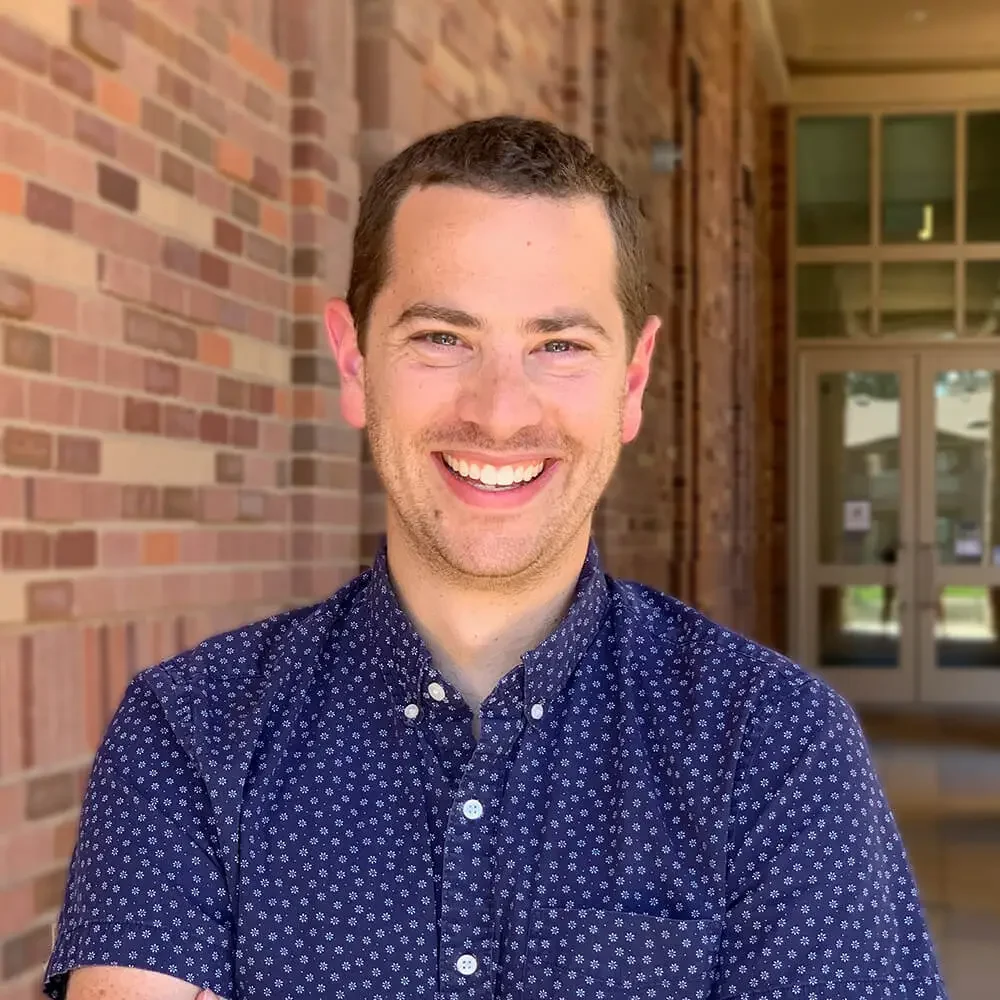
Dr. Whiteley notes that when researchers are forced to focus solely on securing the next grant, they gravitate toward "safe" experiments—those that yield small, incremental data sets. "You can’t do the pie-in-the-sky, paradigm-shifting experiments," Whiteley explains. "When you are constantly focused on how to get a little bit more data to secure the next grant, you lose the ability to ask the big, dangerous questions."
The data on cancer immunotherapy supports this need for a new approach. While therapies like CAR T-cell treatments are medical marvels, they are not universal panaceas. The "success gap"—the disparity between patients who respond to immunotherapy and those who remain refractory—suggests that we are currently missing a layer of immunological control. By focusing on the microbiome, Whiteley is targeting a largely unexplored regulatory system that could potentially turn "non-responders" into "responders."
Official Responses and the STAR Philosophy
The STAR program, managed by the Cancer Research Institute, is explicitly designed to dismantle the barriers that inhibit bold science. By providing "unrestricted support," the CRI gives investigators the freedom to pivot their research in real-time as they uncover new, unexpected phenomena.
Dr. Edward Chuong, a fellow 2025 STAR recipient and colleague at the University of Colorado Boulder, echoes the sentiment of the research community regarding this support. "The STAR award has inspired our lab to go all in on our ideas," Chuong stated. "The unrestricted support has allowed us to chase high-risk leads and provides an incredible chance to take big risks that have a chance of improving cancer immunotherapy."
For the Cancer Research Institute, supporting Dr. Whiteley is an investment in a vision that transcends traditional disciplines. The organization recognizes that the next leap in cancer survival rates may not come from another synthetic drug, but from an improved understanding of the biological systems we already host within us.
Implications: The Future of Immunotherapy
The implications of Dr. Whiteley’s research are profound. If he can successfully decode the "Rosetta Stone" of bacteria-immune interactions, the potential clinical applications are vast.
1. Personalized Probiotic Therapy
Rather than relying on one-size-fits-all treatments, clinicians might one day prescribe personalized probiotic regimens tailored to a patient’s specific microbiome profile. These probiotics would be engineered to secrete the exact enzymes needed to prime the patient’s immune system to recognize their specific tumor type.
2. Enhancing Checkpoint Inhibitors
Many patients currently undergoing checkpoint inhibitor therapy see limited success because their immune systems are not sufficiently "awake." By introducing microbial signaling molecules, doctors could potentially lower the threshold required for the immune system to launch a full-scale attack against cancer cells.
3. A New Generation of Mentorship
Beyond the bench, Dr. Whiteley is committed to fostering a culture of curiosity. He views his role as a mentor with the same gravity as his role as a researcher. In his view, the future of oncology depends on the next generation of scientists being willing to challenge the status quo.
"If we look back at history, even 100 years ago, how bleak treating a disease like cancer was," Whiteley remarks. "And now, I overhear patients in line at the supermarket saying they had gotten CAR T-cell therapy. But that only happens if there’s another generation to keep moving the needle, keep pushing the envelope."
Conclusion: A Paradigm Shift in the Making
Dr. Aaron Whiteley represents the new vanguard of oncology research: interdisciplinary, bold, and deeply curious about the evolutionary origins of life. By looking backward billions of years into the history of microbial signaling, he is providing a vision for how we might move forward into a new era of cancer treatment.
The CRI STAR award is more than just a financial grant; it is an endorsement of the idea that in the fight against cancer, the most effective weapon might be the one we have yet to discover. As Dr. Whiteley’s lab begins its latest phase of high-stakes experimentation, the medical community waits with anticipation. The answers to some of the most complex human diseases may well be hidden in the microscopic world, waiting for the right mind to translate their ancient, life-saving code.