





When a person receives a cancer diagnosis, the world often narrows to a singular, terrifying focal point: the patient. However, beneath the surface of every medical chart and clinical report lies a sprawling, intricate network of individuals who form the backbone of the recovery journey. This is the "village"—a dynamic collective of family, friends, medical professionals, and even strangers whose collective efforts, sacrifices, and expertise define the boundaries between despair and hope.
This World Cancer Support Month, we honor not only the resilience of patients but the indispensable role of the support systems that sustain them. Through the stories of five extraordinary individuals, we examine how the intersection of cutting-edge immunotherapy and human compassion is rewriting the narrative of survival.
The Anatomy of a Support System: Main Facts
The modern cancer journey is rarely a solitary battle. While clinical advancements in immunotherapy have revolutionized treatment outcomes for stage 4 patients, the emotional, logistical, and administrative burden remains immense.
Key pillars of this support network include:
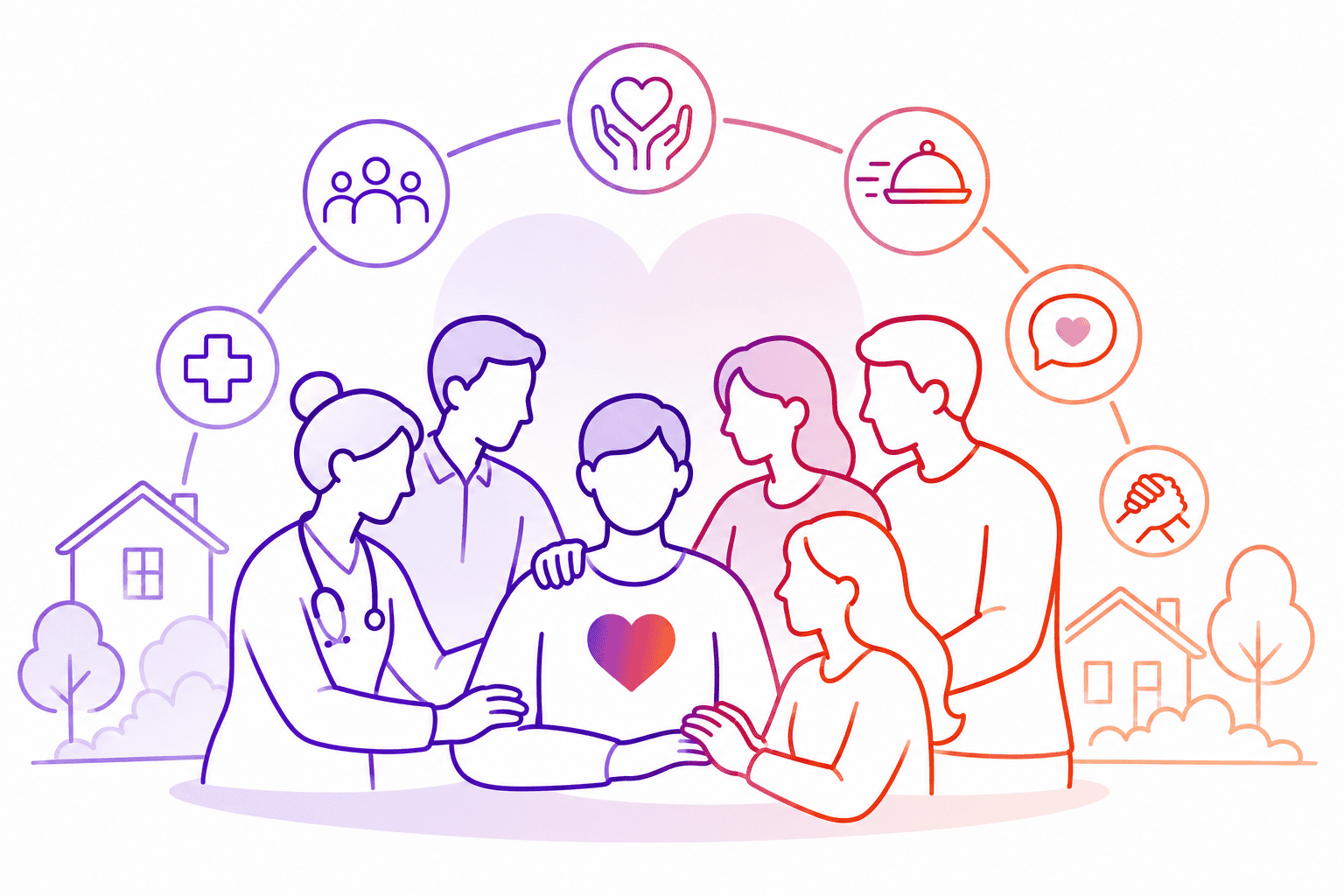
- The Clinical Advocate: Doctors and nurse coordinators who move beyond traditional care to navigate insurance complexities and persistent treatment pathways.
- The Daily Life Brigade: Friends and neighbors who handle the mundane—meal prep, transportation, and home maintenance—to allow patients to focus on healing.
- The Emotional Anchor: Family members who serve as cognitive proxies, documenting medical information and providing essential stability during moments of crisis.
- The Survivor Network: Former patients who mentor the newly diagnosed, providing a roadmap for life after cancer.
A Chronology of Hope: Stories of Resilience
The following accounts illustrate how individual agency, supported by a village, can alter the trajectory of even the most aggressive cancers.
Dana Deighton: The Power of Persistence
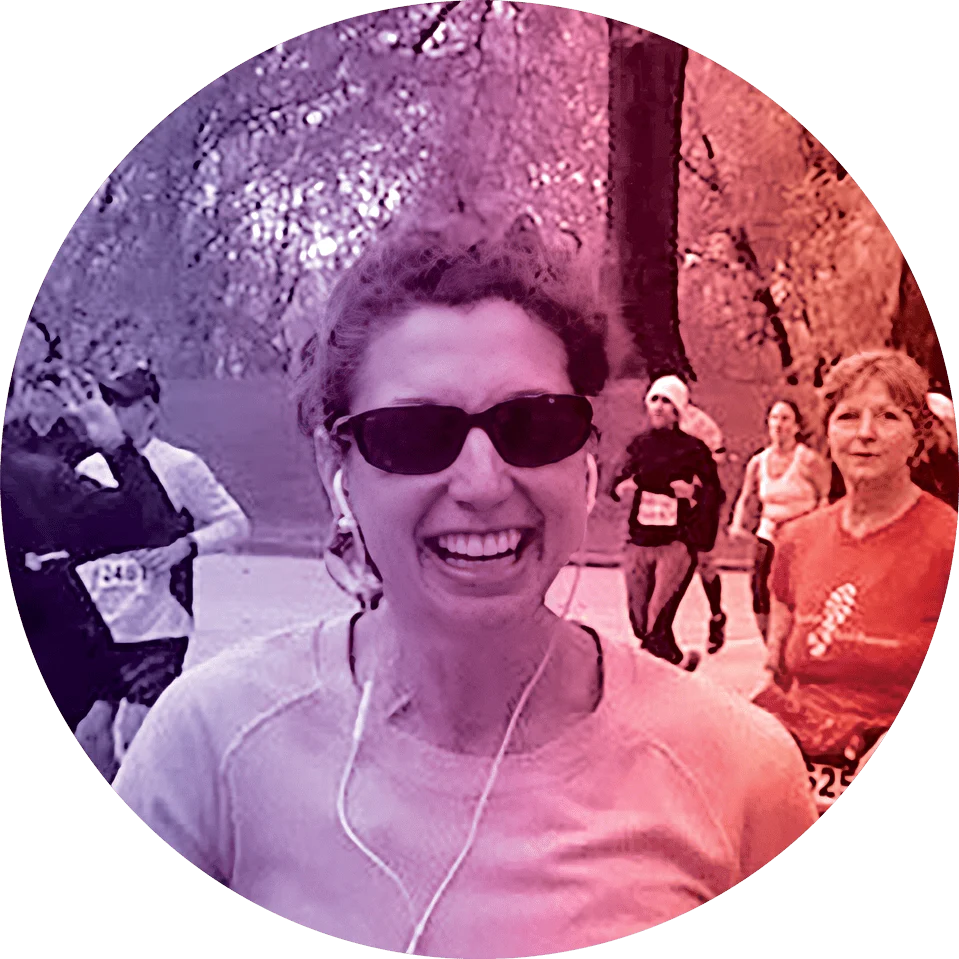
Diagnosed with stage 4 esophageal cancer, Dana Deighton was told by early providers that her options were exhausted. Instead of accepting this prognosis, Dana leaned into her support network. A pivotal nurse coordinator became her advocate, navigating insurance hurdles that could have stalled her care. Her village grew to include a specialist who offered the one thing she lacked: hope. Through aggressive surgery and a subsequent compassionate-use immunotherapy program, Dana achieved a disease-free status. Today, her journey has come full circle as she now serves as a mentor, offering the same lifeline to others that once saved her.
Oswald Peterson: Building Family Through Adversity
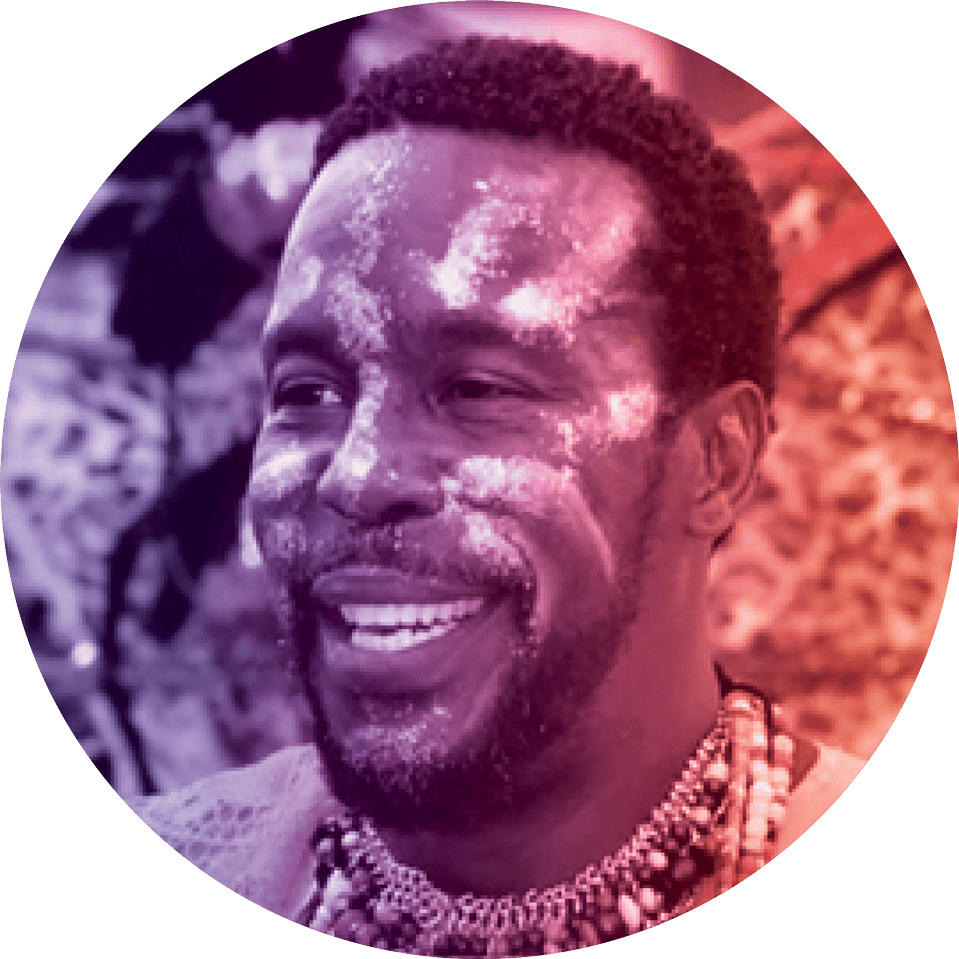
For Oswald Peterson, a stage 4 lung cancer diagnosis arrived during a period of profound personal loss following the death of his mother and partner. Despite his initial isolation, Oswald’s community stepped in. Friends organized a rotating schedule of care, ensuring he was never alone during his hospital stays and managing his domestic needs upon discharge. Under the care of Dr. Catherine Shu, Oswald received immunotherapy, which enabled him to return to his vibrant life, including his beloved tradition of dancing in Trinidad’s Carnival.
Jeff Atkinson: Deciphering the Promise of Immunotherapy
In 2016, Jeff Atkinson faced a daunting diagnosis of stage 4 mucosal melanoma. While the initial outlook suggested no cure, his oncologist, Dr. Justin Favero, pivoted to immunotherapy. With his wife as his primary advocate, Jeff navigated the side effects of checkpoint inhibitors. One year later, he was declared cancer-free. As he approaches his 10-year diagnosis anniversary, Jeff has become a vocal advocate, demystifying immunotherapy for those entering the same clinical landscape.
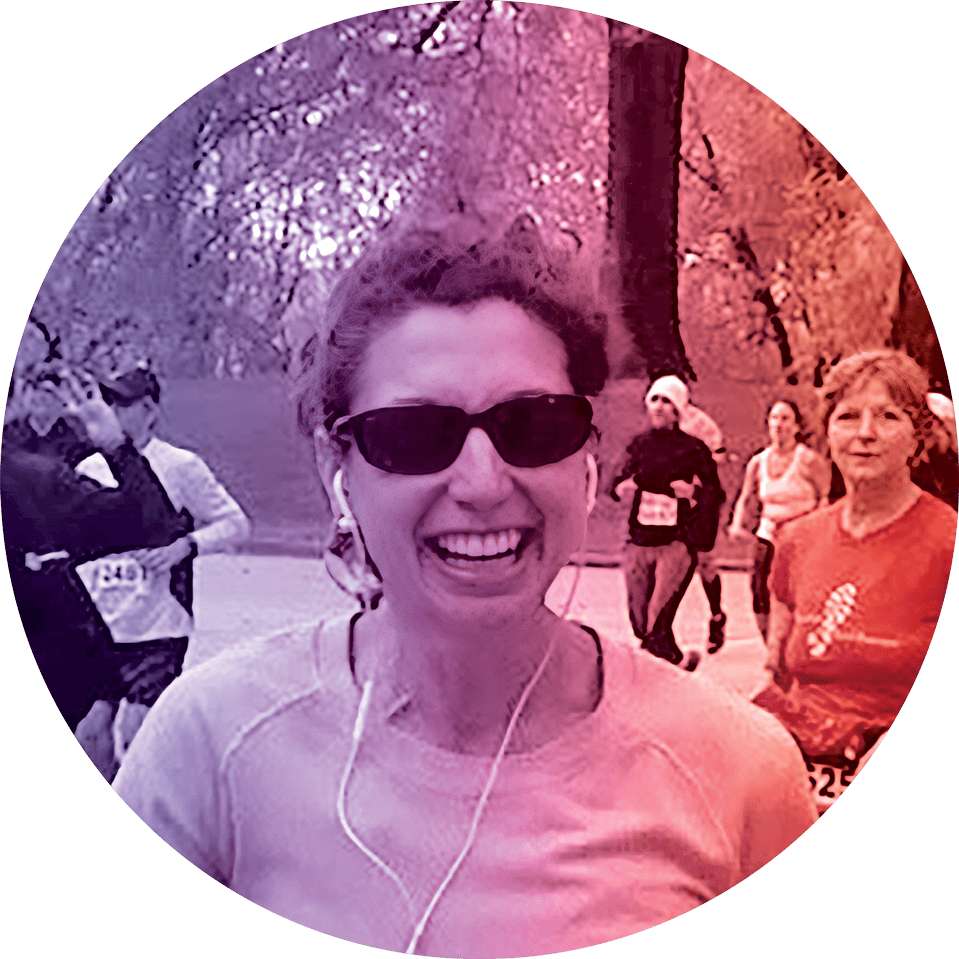
Jenney Bitner: A Community Rallies During Pregnancy
Jenney Bitner’s story is a testament to the power of community mobilization. Diagnosed with stage 4 metastatic melanoma while 22 weeks pregnant, her recovery involved brain surgery and immunotherapy. While her medical team managed her clinical care, her "village"—neighbors, church members, and friends—provided meals, childcare, and supplies for her newborn for nearly a year. Her recovery serves as a poignant reminder: when someone is facing a crisis, the most effective support is proactive, not reactive.
Gordon Levine: The Value of the Second Opinion
Gordon Levine’s path through stage 3 and eventually stage 4 colorectal cancer was marked by setbacks, including a failed clinical trial. However, a second opinion with Dr. Aaron Miller at UC San Diego shifted his trajectory. Dr. Miller recognized that Gordon’s adverse reaction to previous treatment was actually a sign of immune activity. A renewed immunotherapy regimen caused his tumors to "melt away." Gordon’s experience highlights the importance of patient advocacy and the necessity of seeking specialized medical opinions when standard protocols reach their limits.
Supporting Data: The Clinical Shift
The common thread among these survivors is the utilization of cancer immunotherapy. Unlike chemotherapy, which directly attacks rapidly dividing cells, immunotherapy empowers the body’s own immune system to identify and destroy malignant cells.
- Clinical Efficacy: As seen in the cases of Jeff Atkinson and Jenney Bitner, checkpoint inhibitors (such as nivolumab and ipilimumab) have demonstrated the ability to produce durable, long-term remission in patients previously considered untreatable.
- The "Compassionate Use" Factor: Dana Deighton’s case underscores the importance of access programs, which allow patients to receive promising, albeit experimental, treatments when standard therapies have failed.
- The Multi-Modal Approach: Data suggests that when patients are supported by a strong social network, adherence to complex treatment schedules—including immunotherapy infusion cycles—increases significantly, leading to better overall health outcomes.
Official Responses: The Role of the Caregiver
Medical professionals increasingly acknowledge that the patient is part of a larger unit. In official statements regarding patient care, oncologists and social workers emphasize that the quality of life for a patient is inextricably linked to the "caregiver ecosystem."
"We are not just treating a disease; we are treating a human being in the context of their life," says one oncology specialist. "The village provides the psychological safety net that allows the immune system to do its work. When stress is mitigated by a support system, the patient’s physical resilience is markedly bolstered."
Implications: Building a Sustainable Future for Patients
The lessons drawn from these stories have profound implications for how we approach cancer care in the future.
1. The Redefinition of Survivorship
Survivorship is no longer just the absence of disease; it is the active participation in the community. As seen with Gordon Levine and Dana Deighton, transitioning from patient to mentor is a vital component of the recovery process. This "giving back" cycle ensures that institutional knowledge and emotional support remain available to the next generation of patients.
2. Proactive Support Models
Jenney Bitner’s advice—"Don’t even ask what they need… Just find something and do it"—should become a blueprint for friends and family. The burden of decision-making is often the heaviest weight a patient carries. By taking over household management or administrative tasks without waiting for a request, the village removes the "decision fatigue" that hampers the healing process.
3. The Need for Advocacy
These stories underscore that the "village" must include professional advocates. Whether it is an insurance navigator, a specialist, or a fellow survivor, having someone to challenge the status quo is essential. As these survivors have demonstrated, a "no" from one doctor or one insurance company is often just the beginning of a conversation, not the end of the road.
Conclusion
Cancer may be a deeply personal experience, but it is one that requires a collective response. As we celebrate World Cancer Support Month, we recognize that every act of support—from a meal train to a clinical breakthrough—contributes to the survival of the patient.
These five survivors remind us that while immunotherapy provides the biological tool for healing, the village provides the environment in which that healing can thrive. When we support those with cancer, we are not just helping them survive; we are participating in a profound, life-affirming act that strengthens the fabric of our entire community. No one should face cancer alone, and because of the villages built around these individuals, no one has to.