









As we navigate the second half of life, our physical priorities often shift from performance-based metrics—like how fast we can run or how much weight we can lift—to functional longevity. We begin to notice the subtle, yet significant, changes in our daily capabilities: the effort required to carry heavy grocery bags, the frustration of opening a stubborn jar, or the necessity of steadying ourselves when navigating uneven terrain.
While cardiovascular health and mobility are frequently discussed, one of the most accurate, science-backed biomarkers for overall vitality remains largely overlooked: grip strength. For adults over the age of 55, the ability to maintain a firm, enduring hold is not just about hand health—it is a critical indicator of systemic muscular strength, neurological coordination, and long-term physical resilience.
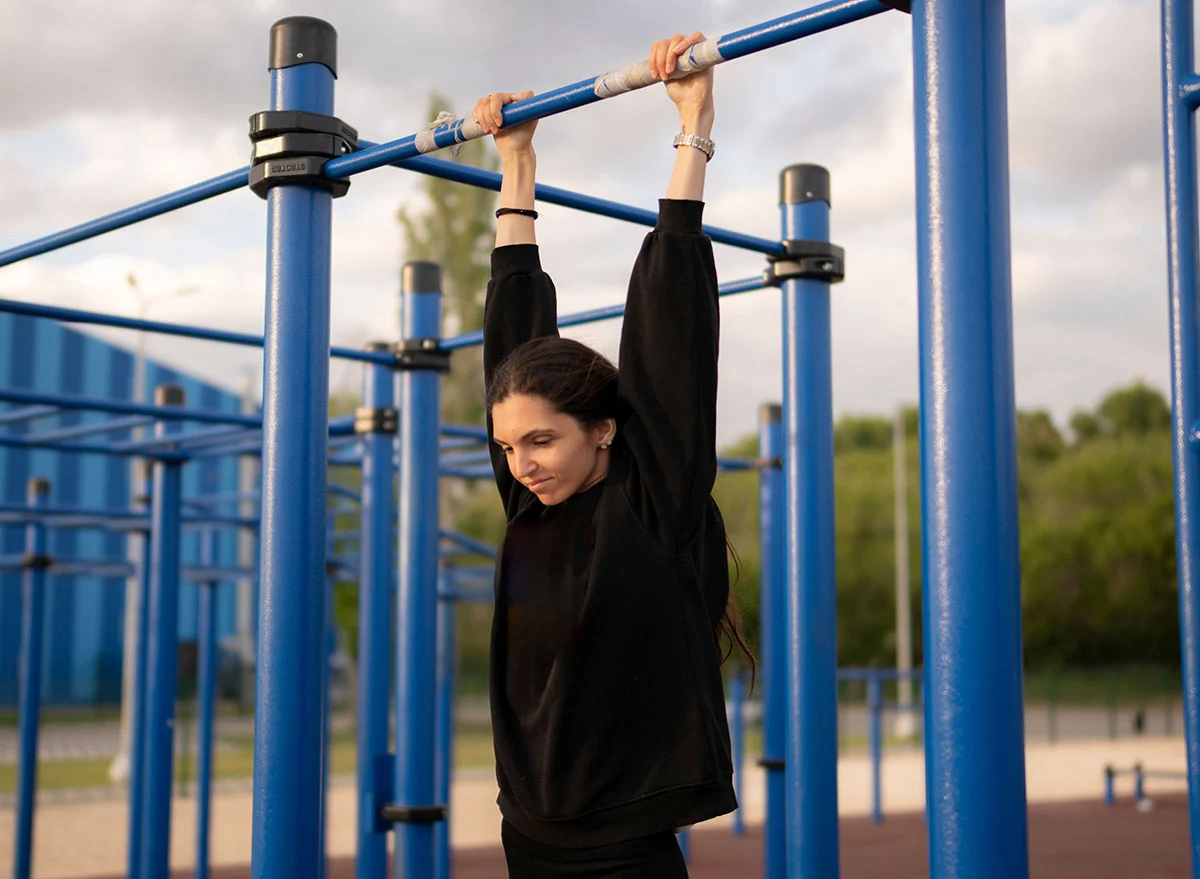
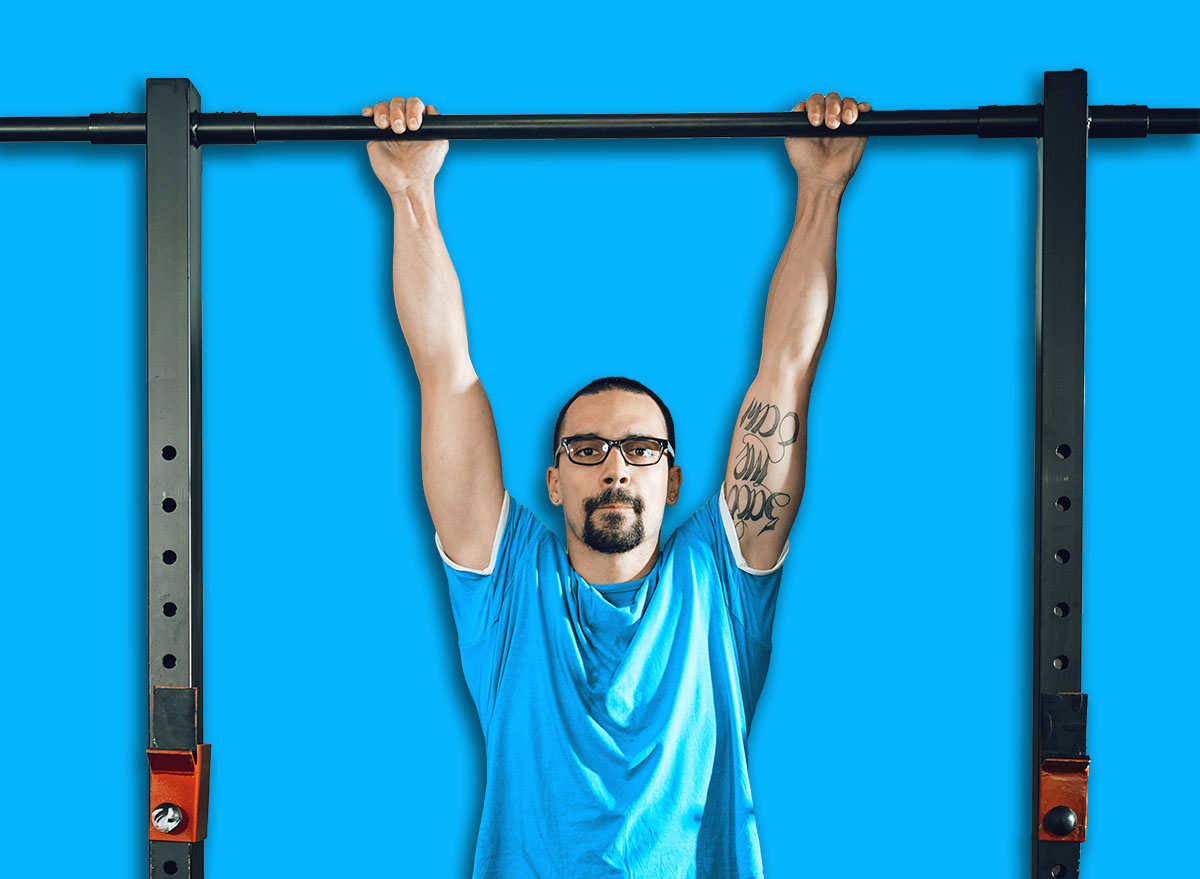
According to James Brady, a Certified Personal Trainer (CPT) at OriGym, the most effective way to measure and improve this vital metric is through the "dead hang." This seemingly simple exercise—suspending one’s body weight from a pull-up bar—serves as a comprehensive test of functional integrity.
The Science of Strength: Why Grip Matters
Modern research has consistently identified grip strength as a "vital sign" for aging populations. A landmark study published in the Journal of the American Geriatrics Society highlights a strong correlation between grip strength and lower functional capacity, noting that diminished strength in the hands and forearms is often a precursor to mobility issues and a loss of independence.
Further studies underscore that grip strength is not an isolated attribute. It is a proxy for total body muscularity and physical robustness. When you hang from a bar, you are not merely using your fingers; you are engaging a complex kinetic chain that includes your forearms, shoulders, lats, upper back, and core. This "total body tension" required to sustain a hang is exactly what the body needs to combat the natural muscle atrophy (sarcopenia) that accelerates after age 55.
Defining the Benchmarks: The "Dead Hang" Scale
For those looking to quantify their functional fitness, Brady provides a clear, actionable scale. These benchmarks are designed to help individuals gauge where they currently stand and provide a roadmap for incremental improvement.
The 10 to 20-Second Baseline
If you can successfully hold a dead hang for 10 to 20 seconds, you are performing above the average for your age group. This duration demonstrates a solid foundation of shoulder stability and sufficient forearm endurance to handle the basic tasks of daily living.
The 30-Second Standard
Achieving a 30-second hold indicates "solid grip endurance." At this stage, your muscles have moved beyond basic stability and are now demonstrating the ability to maintain tension under load. This level of control is essential for maintaining proper posture and preventing shoulder-related injuries.
The 45-Second Threshold
"A 45-second dead hang puts you well above the average," explains Brady. At this level, you are exhibiting what professionals call "grip resilience." Your body is capable of managing its own weight for an extended period, which serves as a massive buffer against the frailty often associated with advanced aging.
The 60-Second Elite Status
Holding a dead hang for a full minute is considered the gold standard for adults over 55. This is categorized as "elite-level grip endurance." It reflects high-tier muscular coordination, exceptional forearm strength, and a high degree of confidence in your upper body’s structural integrity.
The Chronology of Improvement: How to Build Your Grip
You cannot force your tendons and muscles to adapt overnight. Improving grip strength requires a systematic approach. Below is a structured, chronological guide to progressing from a beginner to an elite performer.
Phase 1: The Foundation (Assisted Dead Hangs)
If you cannot hold your weight for at least 10 seconds, do not be discouraged. Assisted dead hangs are the most effective way to start.
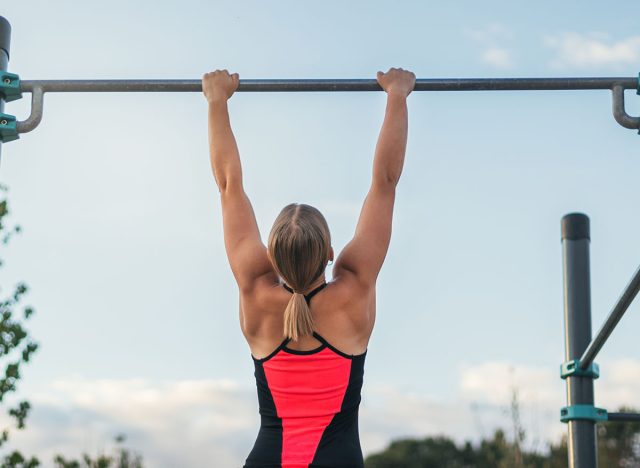
- The Technique: Place a sturdy box or bench under the pull-up bar. Grasp the bar with both hands, using the box to support some of your body weight through your toes.
- The Progression: Gradually decrease the amount of weight you put on your toes until you are supporting your full body weight for short, 5-second intervals.
- The Goal: Build up to 10 seconds of unassisted hang time.
Phase 2: Building Endurance
Once you have achieved a consistent 10-second hang, focus on increasing the total "time under tension" per week. Rather than trying to max out every day, perform three sets of 15 seconds with 60 seconds of rest in between. Consistency, not intensity, is the key to tendon adaptation.
Phase 3: Perfecting Form
As you move toward the 30-to-60-second mark, form becomes critical.
- Engage the Shoulders: Avoid "dead weight" hanging where your shoulders are near your ears. Instead, actively depress your shoulder blades (pulling them down toward your back pockets).
- Core Activation: Squeeze your glutes and brace your abdomen. This prevents the body from swinging and ensures the load is distributed evenly.
- Breathing: Do not hold your breath. Controlled, rhythmic breathing helps manage the physiological stress of the exercise.
Supporting Data and Clinical Implications
The implications of grip strength go far beyond the gym. Medical researchers have observed that grip strength is a predictor of mortality risk. A study published in the Journal of Cachexia, Sarcopenia and Muscle noted that grip strength is often a more accurate predictor of health outcomes than systolic blood pressure.
Why is this? Because the ability to grip requires a healthy nervous system, a robust cardiovascular system, and a balanced hormonal profile. When these systems begin to decline, grip strength is often one of the first metrics to drop. By training for a 60-second hang, you are essentially "stress-testing" these systems and signaling to your body that it needs to maintain muscle mass and bone density.
Official Recommendations and Safety
Before beginning a dead hang regimen, it is important to consider the health of your joints. If you have a history of rotator cuff injuries, arthritis in the hands, or significant shoulder impingement, consult with a physical therapist before starting.
Safety Checklist:
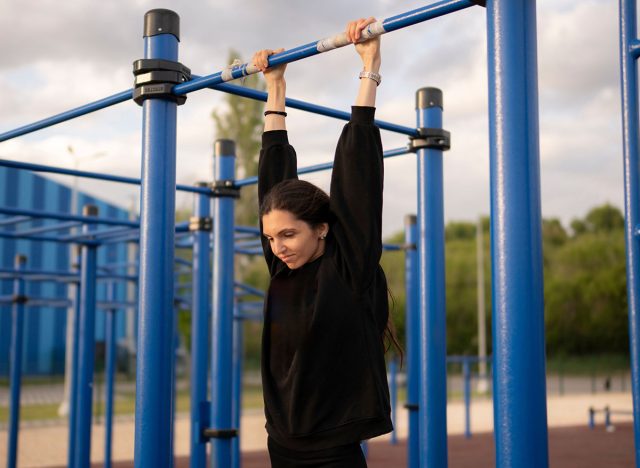
- Equipment: Use a high-quality, powder-coated pull-up bar. A bar that is too thin or too slippery can cause unnecessary strain on the skin of your palms.
- Warm-up: Always perform light shoulder circles and wrist mobility exercises before attempting a hang.
- Frequency: Treat grip training like any other strength training. Two to three times per week is optimal. Daily training can lead to inflammation in the tendons of the elbow and wrist.
The Psychological and Physical Payoff
The journey to an elite dead hang time is as much mental as it is physical. There is a profound sense of empowerment in knowing that, regardless of your chronological age, your body remains capable of holding its own weight. This confidence translates into everyday life—you feel more secure reaching for high shelves, more stable while walking, and more capable of handling the physical demands of travel, gardening, and playing with grandchildren.
As James Brady emphasizes, the goal is not to become a competitive gymnast, but to ensure that your body remains a functional, reliable tool for the rest of your life. Whether you start at 5 seconds or 50, the act of training your grip is an investment in your future autonomy.
Final Thoughts for the Over-55 Athlete
In the world of fitness, we are often told that we must "slow down" as we age. The data on grip strength suggests the opposite: we must stay strong to stay free. By incorporating dead hangs into your weekly routine, you are taking a simple, effective, and science-backed step toward maintaining your independence and vitality for decades to come.
If you are looking to further your functional fitness journey, consider pairing your grip training with movements that restore joint mobility. For those interested in lower-body stability, check out 5 Standing Exercises That Restore Knee Strength Faster Than Gym Machines After 60.