










ORLANDO, FL – As the dust settles on the American Telemedicine Association’s (ATA) NEXUS 2026 conference, held May 12-14 in Orlando, a clear consensus has emerged among the industry’s elite: the era of "telehealth at any cost" has officially given way to an era of "telehealth with operational precision."
While the early years of the digital health boom were defined by rapid deployment and technological experimentation, the discourse at NEXUS 2026 shifted decisively toward the pragmatic, the legal, and the sustainable. Clinicians, health system executives, policymakers, and legal experts gathered to address the central paradox of modern medicine: how to scale high-quality virtual care in an environment characterized by regulatory fragmentation, reimbursement volatility, and intense operational scrutiny.
The Core Challenge: Scaling Amidst a Regulatory Labyrinth
The primary takeaway from the three-day summit was that technology is no longer the bottleneck. Innovations in AI, remote monitoring, and synchronous platforms are more robust than ever. Instead, the barriers to entry—and to scaling—are increasingly human-made, residing in the messy intersection of state and federal law.
The Patchwork Problem
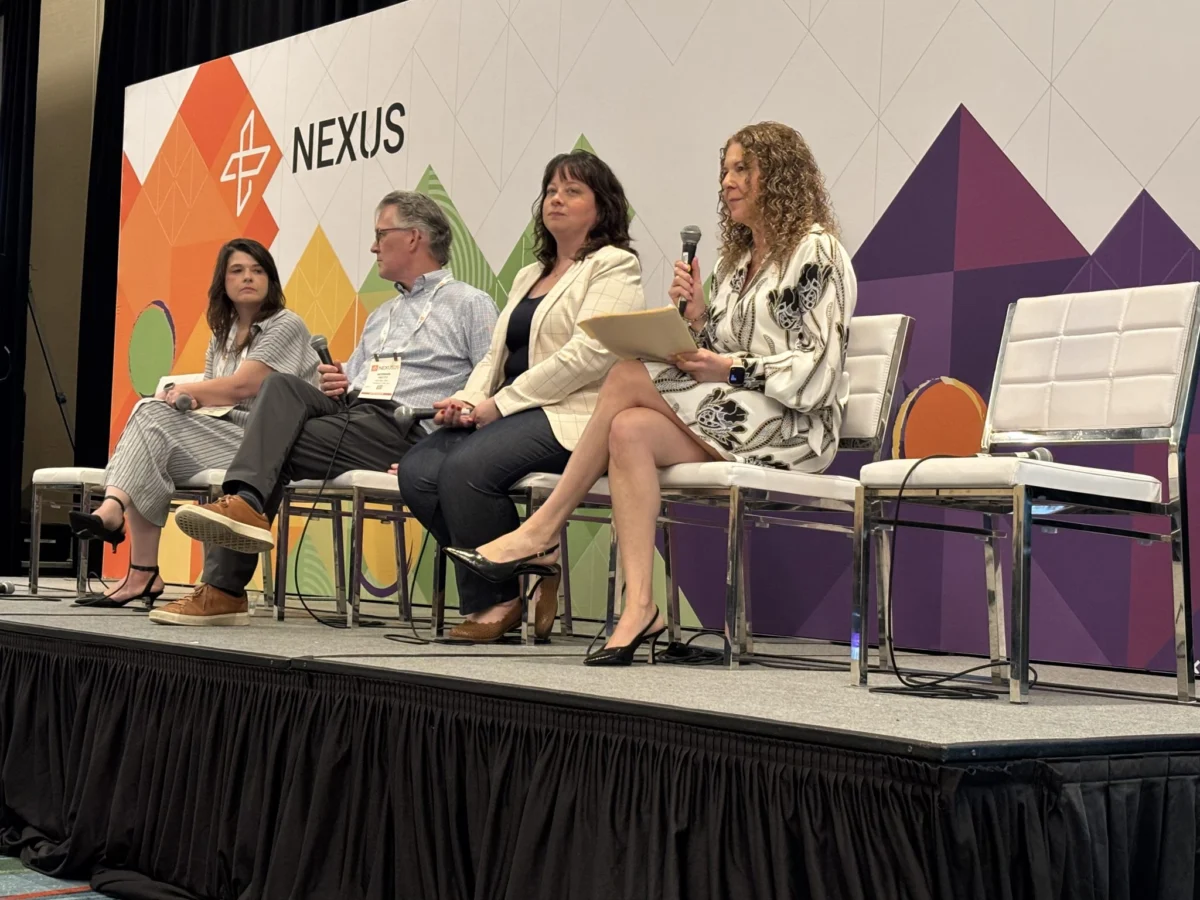
A standout session on the conference’s opening day, the "50-State Compliance Panel," featured legal heavyweights Jessica Rigsby, JD, and Rebecca Simone, JD. They underscored the reality that operating a national telehealth service is not a singular task, but rather a simultaneous engagement with 50 unique regulatory environments.
From disparate prescribing laws and physician-patient relationship standards to varying rules on supervision and pharmacy oversight, the regulatory friction is palpable. For national organizations, these inconsistencies are not merely administrative annoyances—they are existential threats. Panelists noted that even minor variations in state-level definitions of "telehealth" can force companies to restrict services, preventing patients from accessing consistent, longitudinal care.
The Shadow of the Ryan Haight Act
A persistent cloud hanging over the industry remains the unsettled future of the Ryan Haight Act and the Drug Enforcement Administration’s (DEA) ongoing telehealth prescribing flexibilities. While current waivers continue to allow for the prescribing of controlled substances without a mandatory initial in-person visit, the expiration of these temporary measures looms large.
Industry leaders at the conference expressed frustration with the "wait-and-see" approach necessitated by federal inaction. Many providers admitted to stalling expansion into specific states, fearing that a sudden shift in federal policy could force them to abandon patients mid-treatment, creating ethical and liability risks that outweigh potential growth.
AI Governance: From "Innovation" to "Implementation"
Artificial Intelligence dominated the hallways and session rooms at NEXUS 2026, but the tone was markedly different from previous years. The conversation has shifted from "what can AI do?" to "how do we govern what AI does?"
Establishing the Rules of Engagement
As AI tools are increasingly integrated into clinical workflows—ranging from administrative automation to diagnostic support and patient engagement—the risk profile has expanded. Speakers emphasized that the deployment of AI is no longer a purely technical decision; it is a clinical and legal one.
Key strategies discussed for responsible AI integration included:

- Active Transparency: Clinicians were urged to disclose the use of AI tools to patients as a baseline of ethical practice.
- Internal Road-mapping: Organizations must establish clear documentation regarding when, where, and why AI is utilized.
- Legal Collaboration: AI implementation should not proceed without direct involvement from legal counsel to navigate evolving compliance risks, particularly concerning data privacy and algorithmic bias.
Speakers stressed that AI is an invaluable asset for compliance itself, with some firms successfully using large language models to track state legislative updates and payer policy shifts in real-time. By automating the monitoring of these moving targets, organizations can gain a slight edge in an otherwise chaotic regulatory landscape.
Reimbursement and the Value-Based Pivot
Financial sustainability remains the Achilles’ heel of the digital health sector. The conversation surrounding reimbursement at NEXUS 2026 was technical, granular, and focused on the survival of virtual care business models.
CPT Codes and the Auditing Wave
In a session led by Carrie Nixon, JD, and Carol Yarbrough, MBA, CPC, OCS, CHC, the focus was on the nuance of Current Procedural Terminology (CPT) codes. While new codes for remote therapeutic monitoring and AI-supported diagnostics offer pathways to revenue, they also invite higher levels of scrutiny.
The presenters issued a stark warning: the era of "easy" reimbursement is over. Payers, including government entities, are initiating a wave of renewed audits targeting telehealth and audio-only services. The message to the audience was clear: if a service is not documented with exhaustive, precise detail, it is a liability.
The ACCESS Model and Scalability
The Centers for Medicare and Medicaid Services (CMS) and their value-based initiatives, such as the ACCESS model, were major points of debate. While tying reimbursement to patient outcomes and digital engagement is theoretically ideal, many participants argued that these models are currently designed for large-scale operations. For small practices or independent clinicians, the administrative burden of participating in such complex, outcome-based reimbursement structures is often prohibitive, further threatening to consolidate the telehealth market into the hands of a few dominant players.
Chronology of the Conference (May 12–14, 2026)
- Day 1 (May 12): The Regulatory Landscape. The conference opened with an intensive look at state-by-state compliance. Legal experts dissected the "patchwork" of licensure and the ongoing uncertainty of federal DEA waivers.
- Day 2 (May 13): The AI and Governance Summit. Focus shifted to the practical application of AI in clinical settings. Panels explored the tension between rapid tech deployment and the need for rigorous ethical governance frameworks.
- Day 3 (May 14): Financial Sustainability. The final day focused on the "bottom line." Discussions centered on CPT coding, the reality of payer audits, and the long-term feasibility of value-based care models for digital health.
Implications: The Shift Toward Operational Maturity
The overarching theme of ATA NEXUS 2026 is that the "Wild West" phase of telehealth has ended. The industry is entering a period of consolidation and professionalization where the winners will not necessarily be those with the most disruptive technology, but those with the most resilient operational foundations.
The Path Forward
For health systems, the path forward requires a transition from viewing telehealth as a "standalone" service to integrating it into the core of their clinical delivery. This requires:
- Centralized Compliance: Investing in dedicated teams—or AI-assisted tools—to navigate the fractured state-level regulatory environment.
- Documentation Rigor: Preparing for a high-audit environment by mandating standardized, high-quality clinical documentation.
- Scalable Value-Based Care: Collaborating with policymakers to ensure that value-based reimbursement models are accessible to providers of all sizes, preventing the marginalization of smaller, patient-focused digital health entities.
Concluding Thoughts
As the conference concluded, the consensus was clear: the potential of virtual care to democratize access to health remains vast. However, realizing this potential requires a transition from the excitement of innovation to the discipline of operational sustainability. The attendees left Orlando with a sobering understanding of the work ahead, but a unified resolve to build a digital health ecosystem that is as compliant and sustainable as it is innovative.
The industry is no longer asking "if" telehealth will be a part of the future of medicine, but rather "how" it will be integrated to ensure that it is safe, equitable, and financially viable for the long term. The lessons of NEXUS 2026 suggest that the answer lies not in the code, but in the complex, careful, and collaborative work of navigating the laws and systems that govern human health.