







By Industry Insights Desk
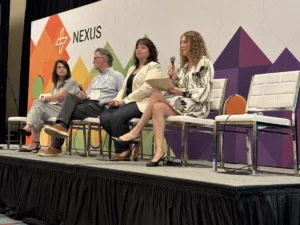
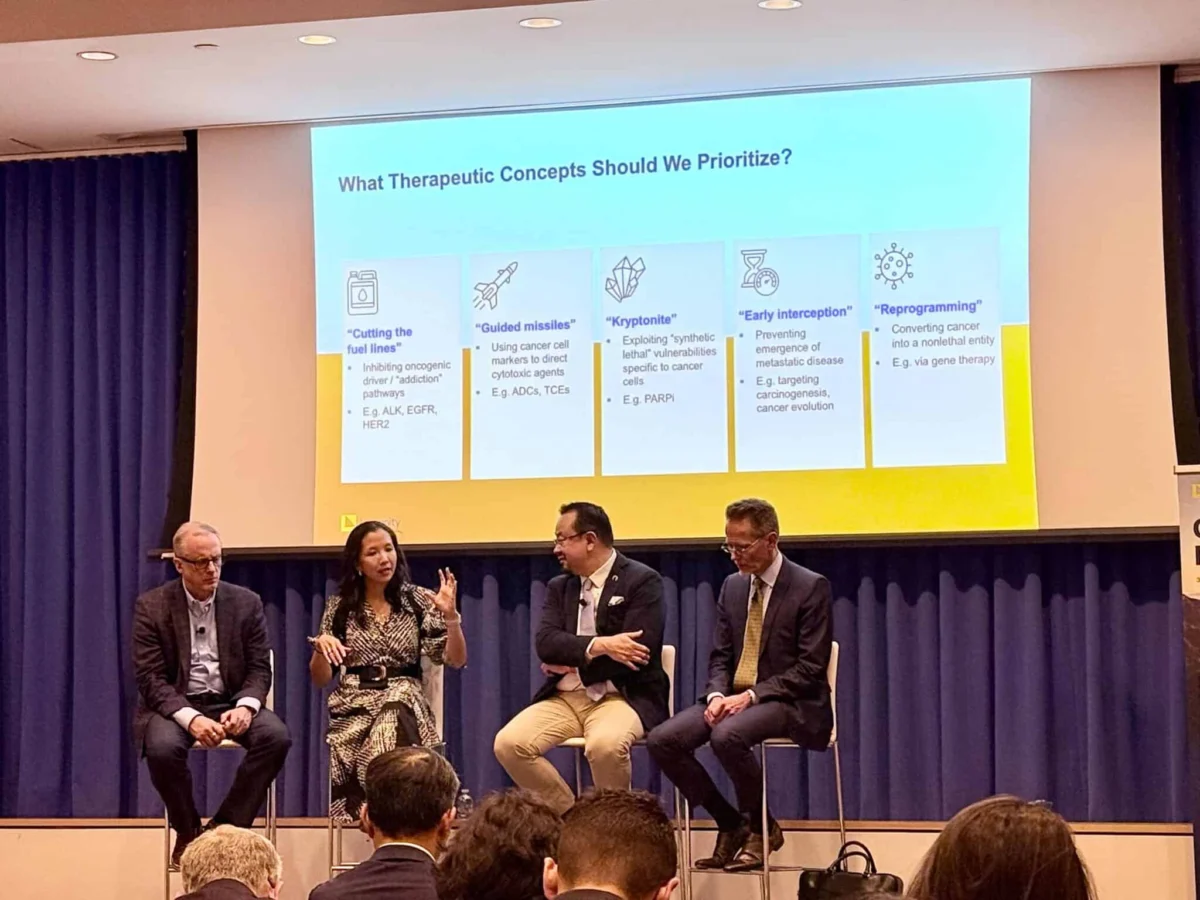
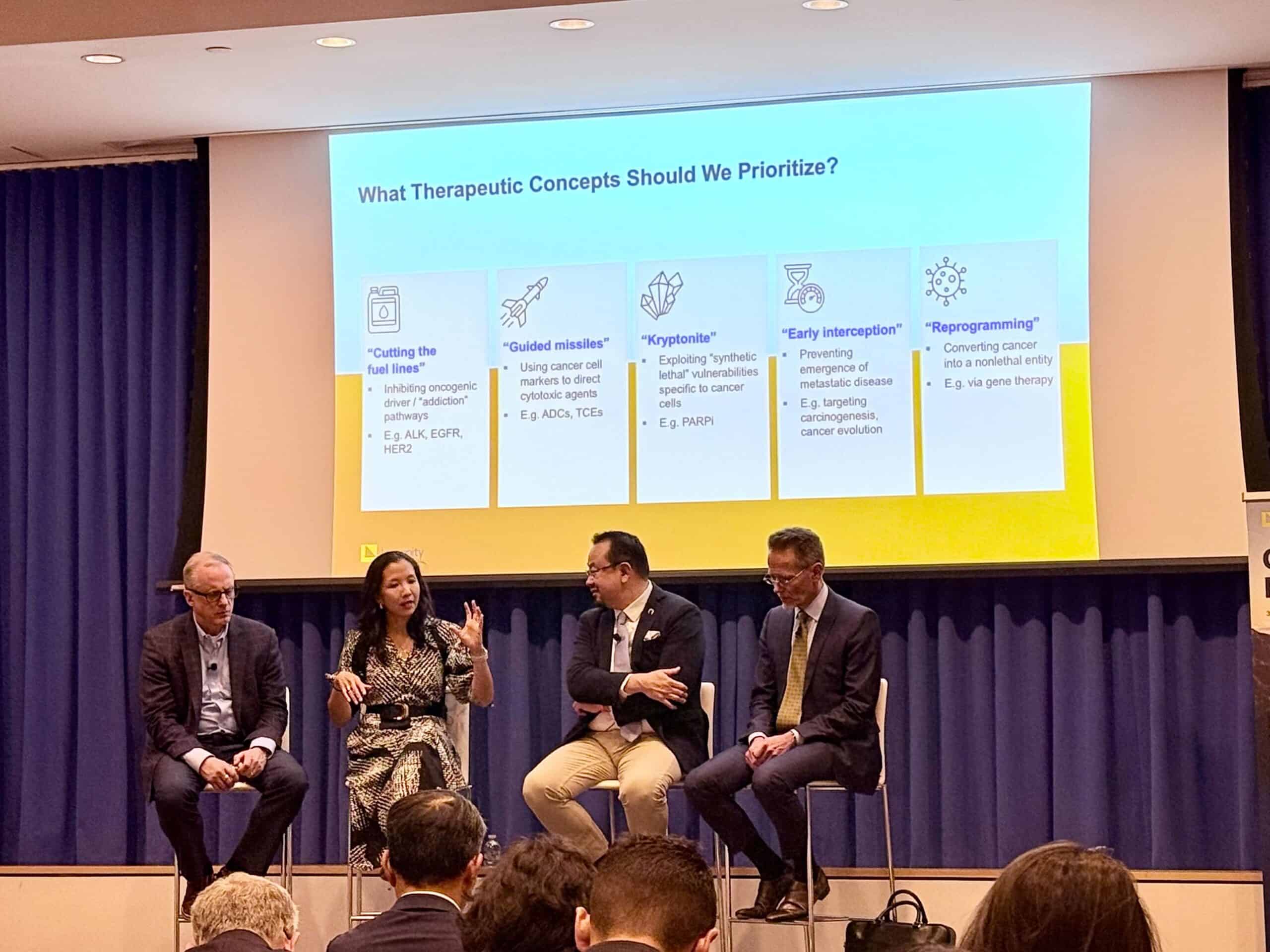
On April 9, 2026, the New York Genome Center served as the backdrop for a critical inflection point in the life sciences. Lumanity’s Cancer Progress 2026—a symposium with a nearly 40-year legacy of fostering candid discourse—convened leaders from the pharmaceutical, biotech, and clinical research sectors. While the goal of the event has historically been to highlight the latest innovations, this year’s iteration shifted toward a more rigorous mandate: to pressure-test the industry’s current methodology.
As the meeting reached its conclusion with the final panel, "Beyond Next-Gen: How Should We Engineer Future Breakthroughs?", the conversation moved away from celebratory rhetoric and toward a sober assessment of the oncology pipeline. The consensus was stark: the "spaghetti-at-the-wall" approach that defined the last three decades of immuno-oncology is no longer sufficient to sustain progress.
The Evolution of Oncology: From Serendipity to Strategy
The history of cancer treatment is, in many ways, a history of fortunate, if unrefined, experimentation. Many of the most significant breakthroughs in immunotherapy were not the result of perfectly mapped biological systems; they emerged from a willingness to test hypotheses in the absence of complete understanding. This "productive chaos" allowed researchers to move quickly, identifying efficacy in models that were often imperfect.
However, the panel argued that this era of serendipity is drawing to a close. As the industry faces increasingly complex biological challenges, the cost of "dumping the whole pantry into the pot"—the colloquialism used to describe the current trend of over-combining therapies—has become untenable.
Dr. Alicia Zhou, CEO of the Cancer Research Institute (CRI), provided a pivotal perspective on this transition. "There has to be the right time in the development pipeline where I do think ‘spaghetti’ could be the right technique," Dr. Zhou noted. "But when it comes to combinations—when you’re thinking about the multiple permutations that you could possibly have—that’s where we have to be more directed."
The Complexity Paradox: Why More Isn’t Always Better
The fundamental problem identified by the panel is a growing disconnect between the complexity of cancer as a disease and the uniformity of the industrial approach to treatment. Cancer is not a single entity requiring a singular, universal solution; it is a heterogeneous collection of diseases, each requiring a tailored understanding of immune-system interactions.
The Bottleneck of Over-Indexing
Currently, the industry is seeing a cycle of diminishing returns. If two therapies show a modest benefit, the default mechanism is to combine them. If that combination shows potential in a specific trial, it is often expanded across multiple tumor types and lines of therapy. The result is a system that produces a high volume of clinical trials but a decreasing volume of actionable insight.
This creates a "signal-to-noise" problem. When researchers introduce too many variables—adding more drugs, more pathways, and more combinations—the underlying biological signal becomes buried. What begins as scientific exploration devolves into an "overcrowded plate," where the data generated is too fragmented to provide clear, actionable evidence.
Defining Failure in the Modern Era
Dr. Zhou emphasized that the word "failure" in oncology is frequently misunderstood. A therapy may fail to reach its endpoint for a variety of reasons: it may have targeted the wrong molecule, the tumor may have lacked the necessary biomarker, or the cancer may have simply adapted and escaped the therapy. The panel warned that failing to distinguish between these causes is a primary reason for the stagnation of clinical outcomes in certain tumor types.
AI: A Tool, Not a Panacea
The role of artificial intelligence was a central theme of the symposium. While AI is often touted as the ultimate solution for drug discovery, the panel’s outlook was balanced and cautious.
The Hallucination Risk
Dr. Zhou offered a sobering assessment of generative AI, warning against the assumption that these models possess a fundamental understanding of human biology. "I believe generative AI is going to hit a wall," she cautioned. "It cannot predict things that we cannot actually validate biologically in the physical world."
She argued that letting AI operate without a grounding in empirical, physical-world validation risks producing "hallucinations"—predictions that sound plausible but are biologically unsound. To avoid this, the industry must move toward integrated systems where AI is fed high-quality, validated data, such as those being developed through the CRI Discovery Engine.
Toward a Mechanistic Understanding
The goal for the next generation of researchers is to move beyond the superficial tracking of molecular data. Instead, the focus must shift to understanding the "contours" of the immune system: where it is resilient, where it is vulnerable, and where interventions are mathematically and biologically viable. AI, when used as a diagnostic and modeling tool, can help researchers see these contours, but it cannot replace the essential human work of biological validation.
The Structural Mismatch: Economics vs. Innovation
Beyond the laboratory, the panel addressed the "broken economics" of the current oncology landscape. While scientific innovation is moving toward more precise, targeted therapies, the business model surrounding these discoveries has remained stagnant.
The paradox is clear: as we develop therapies for increasingly specific, smaller patient populations, the billion-dollar development pathways established for blockbuster drugs remain the standard. This creates a structural mismatch. Scientific progress, no matter how advanced, cannot overcome an economic model that is fundamentally misaligned with the nature of the work.
Proposed Systemic Shifts
The panel advocated for several, non-incremental changes to the current framework:
- Reimagining Trial Design: Moving away from traditional, large-scale trials toward more agile, adaptive designs that incorporate synthetic control arms.
- Regulatory Evolution: Reconsidering how therapies are approved in an era of precision medicine, where a drug may be effective for a handful of patients but not for a broad demographic.
- Collaborative Data Sharing: Incentivizing the sharing of "failed" trial data to prevent different research groups from repeating the same, documented mistakes.
Chronology of Change: The Road Ahead
Since the inaugural Cancer Progress event in 1989, the industry has seen massive shifts, from the birth of monoclonal antibodies to the rise of CAR-T cell therapies. However, the 2026 meeting marked a transition in urgency.
The factors driving this change are no longer hypothetical. Global competition in the pharmaceutical sector is intensifying, and the "patent cliff" looming over many blockbuster oncology drugs is forcing companies to look for more efficient, high-value pipelines. Furthermore, the entry of tech-forward startups into the biotech space is challenging the traditional, slow-moving development models.
Dr. Zhou’s closing sentiment captured the prevailing mood: disruption is no longer a possibility; it is a necessity. "AI is going to fundamentally transform the way we do everything," she noted, but added that the human element—the ability to discern biological truth from the noise—will be the defining factor of success.
Conclusion: Making Sense of the Data
The Cancer Progress 2026 symposium was not a rejection of the past, but an acknowledgement of its limitations. The industry has spent decades generating a massive, heterogeneous body of data through sheer volume and experimentation. We have successfully populated the landscape with ideas and potential treatments.
The challenge for the next decade, as defined by the industry’s leading minds, is not to generate more, but to understand more. The era of "spaghetti" is over. We have enough ingredients; now, we must learn how to cook. The future of oncology lies in the intentional, mechanistic, and highly focused application of the knowledge we have already gathered.
As the industry looks toward the next 40 years, the mandate is clear: move beyond the "more" and focus on the "why." Only through this transition from volume to insight can we truly close the gap between the complexity of cancer and the precision of our cures.