










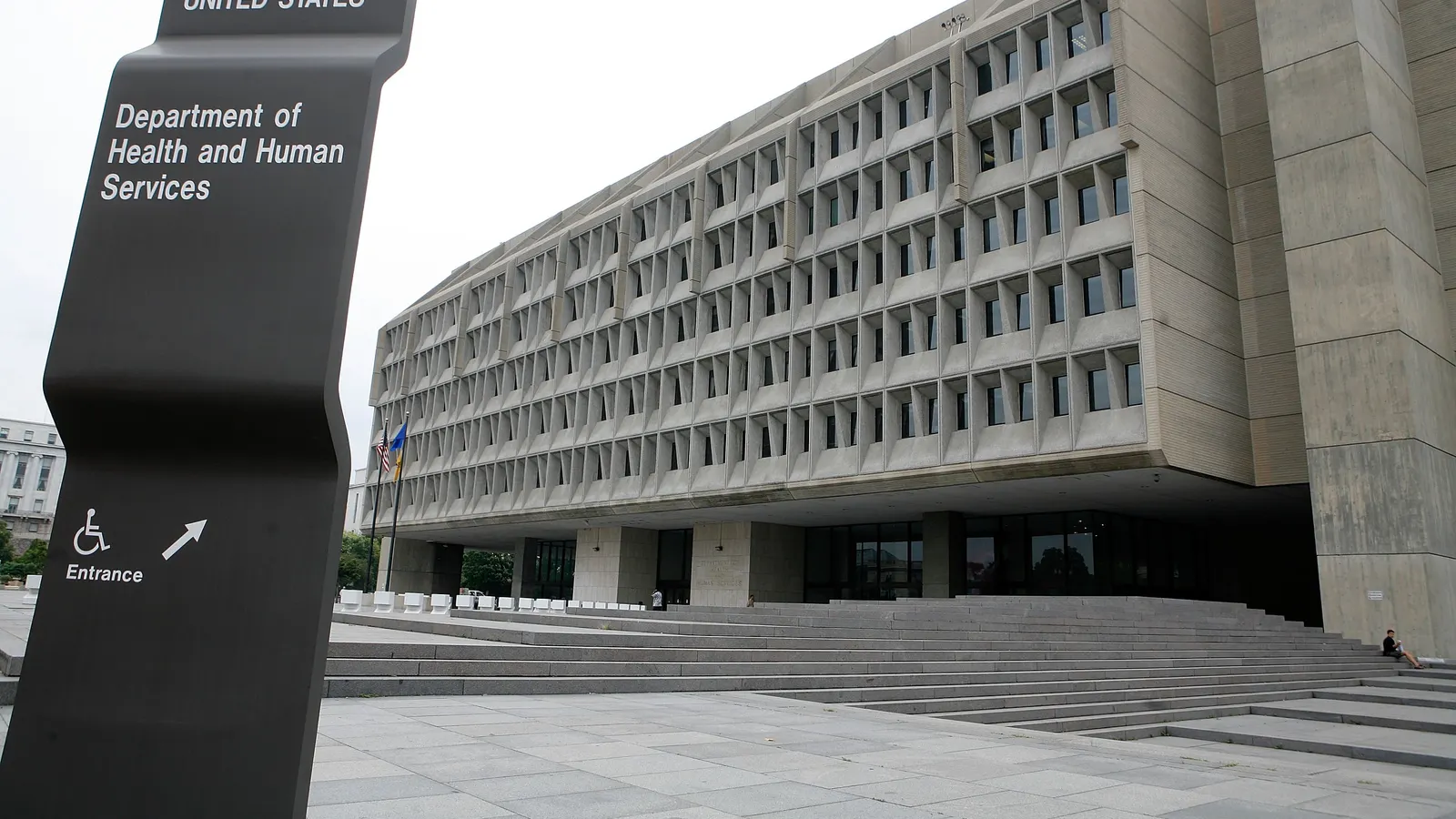
The Trump administration has finalized a sweeping regulatory overhaul of the Independent Dispute Resolution (IDR) process, the administrative mechanism established under the landmark No Surprises Act to settle payment disputes between healthcare providers and insurance carriers. Following years of industry turbulence, characterized by massive backlogs and systemic "gaming" of the system, federal regulators are seeking to restore efficiency to a process that has become a flashpoint for healthcare costs in the United States.
The final rule, promulgated jointly by the Department of Health and Human Services (HHS), the Department of Labor, and the Treasury Department, introduces a series of technical and procedural adjustments aimed at curbing ineligible claims, reducing administrative burdens, and standardizing the arbitration environment. With the implementation of a centralized "IDR Gateway" and a significant reduction in filing fees, the administration aims to steer the program toward a more sustainable operational model.
The Genesis of the IDR Crisis
The No Surprises Act (NSA), which took effect in 2022, was designed to protect patients from the financial shock of unexpected out-of-network medical bills. By removing patients from the middle of billing disputes, the law shifted the burden of negotiation onto the providers and insurers. If the parties cannot agree on a payment rate, they enter the IDR process, where a certified third-party arbiter selects one of the two final offers.
However, the reality of the IDR process quickly diverged from the legislative intent. Instead of a narrow safety valve for rare disputes, the system became a high-volume cottage industry. Payers and providers, particularly those backed by private equity, have engaged in a "wild west" of arbitration. Insurers have consistently complained that providers are submitting thousands of claims that do not meet the legal criteria for IDR, effectively clogging the system and forcing arbiters—who are paid only when they resolve a case—to accept disputes that should have been dismissed at the outset.
A Chronology of Regulatory Friction
The path to this final rule has been marked by prolonged delays and intense lobbying.
- 2022: The No Surprises Act goes into effect. Almost immediately, the volume of disputes exceeds government expectations by orders of magnitude, leading to a catastrophic backlog.
- 2023: The Biden administration issues a proposed rule intended to address the operational bottlenecks. However, the regulation languishes under review as industry stakeholders—ranging from hospital associations to private equity-backed provider groups and major insurance lobbies—engage in intense, iterative meetings with HHS regulators.
- Early 2024: CMS regulators intensify their engagement with stakeholders, seeking consensus on how to curb the "flood" of ineligible claims.
- Late 2024/Early 2025: The Trump administration moves to finalize the rule, positioning it as a necessary correction to restore fiscal sanity and administrative order to the healthcare billing landscape.
Data-Driven Discontent: Why the System Stumbled
The urgency for reform is underpinned by stark data. Government figures indicate that providers have emerged as the dominant victors in the IDR process, securing favorable determinations in approximately 88% of cases. When providers prevail, the awarded payments often reach three to four times the standard in-network reimbursement rates.
Insurers argue that these outcomes are not a reflection of fair market value, but rather evidence of a system being exploited by billing contractors who specialize in maximizing payouts through arbitration. The "ineligible claim" problem is central to this argument; because arbiters are financially incentivized to process cases, they have frequently accepted disputes that are legally ineligible, further skewing the cost curve.
The financial scope of this "gaming" is significant. While the government estimates that the new rules will save the IDR process roughly $80 million over five years by curbing ineligible submissions, the economic analysis also highlights the massive overhead required to sustain the program. Operationalizing these changes is expected to cost the government and the private sector upwards of $1 billion, including $11 million this year alone for portal maintenance and $3 million for the new "IDR Gateway."
Official Responses and Industry Sentiment
The reaction to the final rule has been mixed, reflecting a rare moment of alignment between providers and payers, albeit for different reasons.
Dr. Mehmet Oz, Administrator of the Centers for Medicare & Medicaid Services (CMS), framed the rule as a restorative measure. "We are cutting fees, improving transparency, and restoring order to a system that was overwhelmed," Oz stated.
The industry response, however, highlights the complexity of the landscape. David Merritt, senior vice president of external affairs for the Blue Cross Blue Shield Association (BCBSA), noted that while the rule makes "meaningful progress," it does not go far enough. "We encourage leaders to use this positive momentum to take additional actions—focusing on solutions to stem the flood of ineligible claims into arbitration and awards that often far exceed what providers typically receive for a service," Merritt said.
Providers have generally welcomed the promise of reduced administrative friction, particularly the ability to batch claims more effectively. For years, providers had lobbied for the flexibility to group multiple services into a single dispute, arguing that the previous, rigid requirements made the process prohibitively expensive for smaller practices.
Strategic Implications of the Final Rule
The finalized regulations introduce several key mechanisms intended to force efficiency:
1. The IDR Gateway
Perhaps the most significant structural change is the creation of a centralized portal. Currently, tracking disputes across various insurers and arbiters is an administrative nightmare. The "IDR Gateway" will serve as a single point of entry for initiating and monitoring disputes. Eventually, mandatory registration for payers is expected to resolve the current difficulty providers face in identifying the correct insurance contact for a given claim.
2. Standardization of Communication
The rule mandates that insurers use standardized claim codes when communicating with providers regarding out-of-network disputes. Regulators believe this will create a "pre-check" environment where providers can easily verify if a claim qualifies for IDR before initiating the formal process, thereby reducing the volume of ineligible filings.
3. Batching Flexibility
The rule permits the batching of items and services provided to a single patient over consecutive days, or items billed under the same service code. While a cap of 50 items per batch has been imposed to prevent overwhelming arbiters, this represents a major concession to provider groups that had long argued that individual claim processing was financially unsustainable.
4. Administrative Fee Reform
In a move that caught many by surprise, the administrative fee for entering the IDR process is being slashed from $115 to $15. The administration claims this ensures that dispute resolution remains accessible to all parties, regardless of their financial resources. However, the rule also includes a stern provision that allows the government to utilize federal debt collection laws against parties that fail to pay these administrative fees—a clause that has drawn criticism from both sides of the aisle for its potential to introduce new legal liabilities.
5. Expedited Eligibility Reviews
To address the "slumping" nature of the current process, the rule imposes strict deadlines. Arbiters are now required to assess the eligibility of a dispute within five days. Furthermore, the window for stakeholders to submit supplemental information to support or refute a claim is also capped at five days, forcing a faster pace of arbitration.
The Long-Term Outlook: A Panacea or a Patch?
Despite these reforms, the fundamental tension of the No Surprises Act remains unresolved. The law was intended to protect the patient, but in practice, it has become a mechanism for redistributing billions of dollars between two of the most powerful sectors in the American economy.
The judicial system, for its part, has largely signaled that it will not intervene in the minutiae of these arbitrations. Recent court dismissals of lawsuits brought by major insurers have reinforced the notion that the IDR process is an administrative sphere largely insulated from judicial review. Consequently, the burden of success now rests entirely on the executive branch’s ability to refine the mechanics of the system.
The phased rollout—with fee reductions taking effect just five days after publication, while batching and eligibility timelines roll out over the next three to five months—suggests a cautious approach by the administration. The success of these regulations will be measured not just in administrative efficiency, but in whether the "IDR Gateway" can effectively lower the temperature of the disputes and, ultimately, slow the growth of healthcare costs that have been exacerbated by the very process meant to control them.
As the industry prepares for these changes, the focus remains on whether this rule can truly curb the "cottage industry" of arbitration or if it merely reshuffles the deck in a high-stakes game that continues to prioritize the interests of payers and providers over the overarching goal of systemic affordability. For now, the "IDR Gateway" represents the most significant attempt yet to bring order to a chaotic process, though whether it will prove a cure-all remains to be seen.