











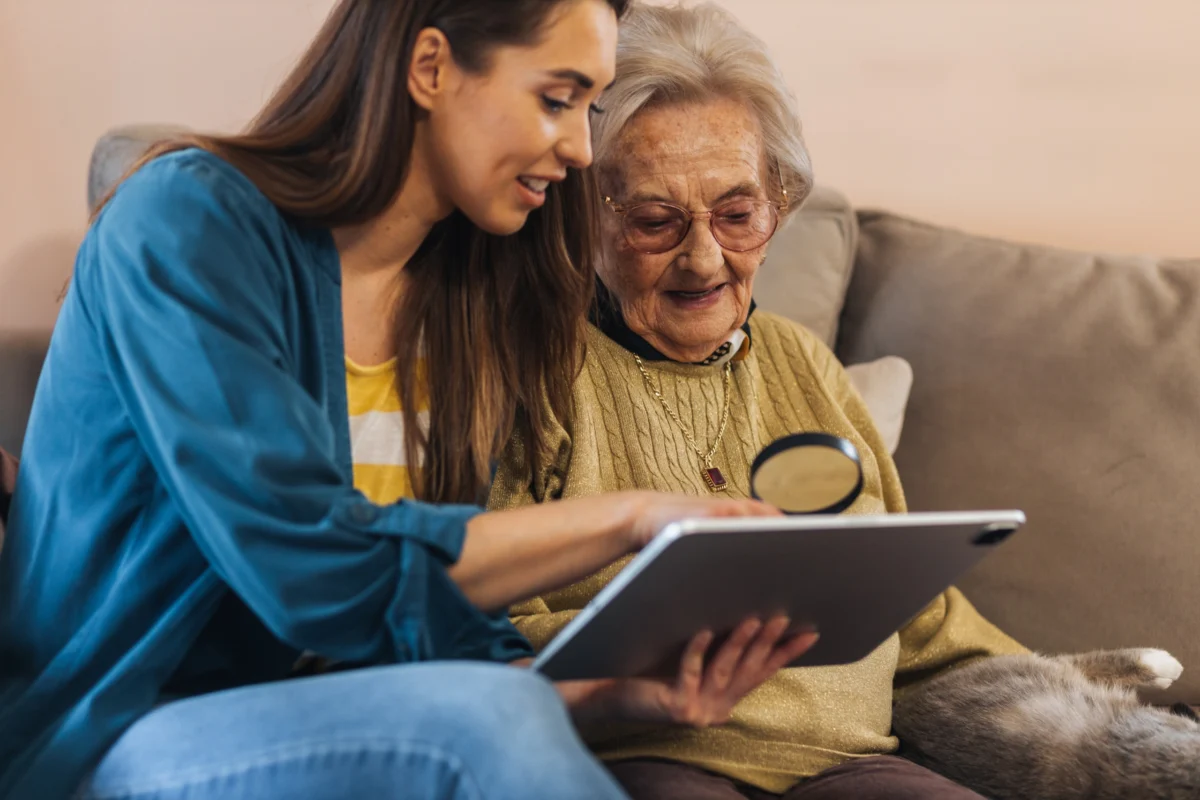
The landscape of healthcare has undergone a seismic shift over the past decade, moving away from the exclusively physical confines of the doctor’s office and into the digital realm. Telehealth—the provision of medical services via phone, video conferencing, and remote monitoring—has matured from a niche convenience into a cornerstone of the modern medical infrastructure. For older adults in particular, this digital transition is not merely a technological upgrade; it is a vital tool for maintaining independence, managing chronic health conditions, and ensuring continuity of care without the logistical burdens that often accompany aging.
Main Facts: The Telehealth Evolution
At its core, telehealth utilizes secure, HIPAA-compliant digital platforms to connect patients with healthcare providers. The fundamental promise of this model is accessibility. By eliminating the geographic and physical barriers that traditionally impede healthcare delivery, patients can now consult with specialists, discuss medication side effects, or conduct routine mental health check-ins from the comfort of their living rooms.
For the aging population, the benefits are multifaceted:
- Mobility Mitigation: Patients with limited mobility no longer need to navigate the logistical nightmare of specialized transport or physical accessibility hurdles in older medical facilities.
- Risk Reduction: By remaining at home, older adults significantly lower their exposure to hospital-acquired infections and seasonal viruses prevalent in crowded waiting rooms.
- Chronic Disease Management: Regular touchpoints for conditions like hypertension, diabetes, or arthritis allow for proactive adjustments to care plans before they escalate into emergencies.
A Chronological Perspective: From Necessity to Standard
The trajectory of telehealth has been characterized by three distinct phases:
Phase I: The Pre-Pandemic Pilot (2010–2019)
During this period, telehealth was largely restricted to rural areas or highly specialized pilot programs. Regulatory hurdles and skepticism regarding the efficacy of remote diagnosis slowed widespread adoption. It was primarily seen as an "extra" service rather than a standard of care.
Phase II: The Rapid Acceleration (2020–2022)
The COVID-19 pandemic served as the primary catalyst for the telehealth revolution. Overnight, the necessity of social distancing made physical office visits a risk, forcing healthcare systems to implement virtual platforms. During this time, government agencies and insurance providers temporarily relaxed regulations, allowing for rapid expansion and reimbursement for virtual visits.
Phase III: The Integrated Standard (2023–Present)
Today, telehealth is no longer an "emergency" response; it is a permanent fixture of the patient experience. Health systems have invested in robust, user-friendly digital portals that integrate directly with Electronic Health Records (EHR), ensuring that virtual consultations are just as documented and thorough as in-person appointments.
Supporting Data: Why Virtual Care Works
The efficacy of telehealth is supported by a growing body of evidence regarding patient outcomes and satisfaction. According to data from the Alliance for Aging Research, patients who utilize remote monitoring for chronic conditions show a 15% higher adherence rate to medication regimens compared to those relying solely on infrequent in-person visits.
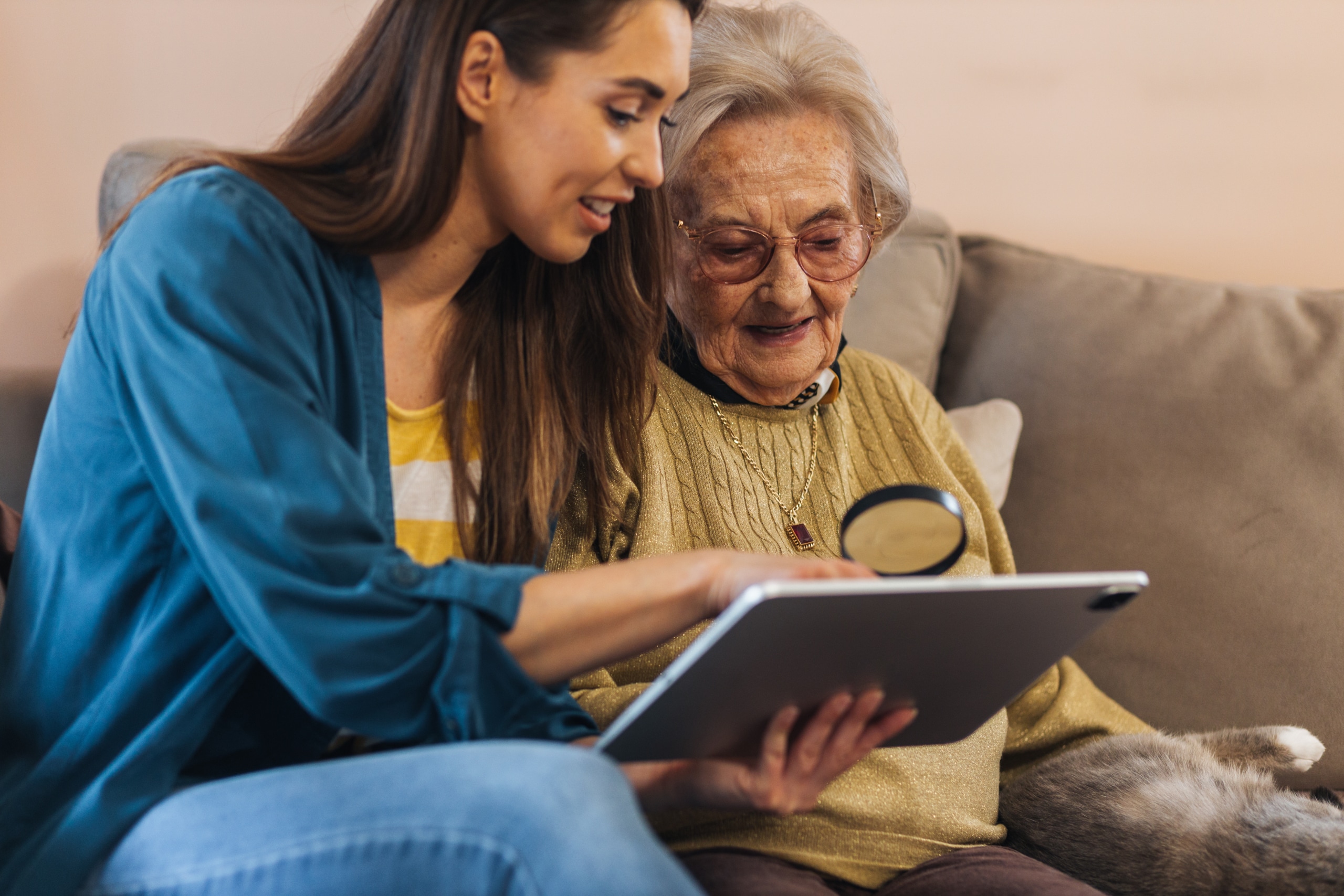
Furthermore, the "barrier to entry" for healthcare—the time, cost, and physical exertion required to travel to a clinic—is the leading cause of missed appointments among those over the age of 70. Telehealth reduces this "appointment friction" by over 60%, leading to earlier detection of symptoms that might otherwise be ignored until they become acute.
Strategic Decision-Making: Telehealth or the Emergency Room?
One of the most critical aspects of telehealth education is understanding the boundary between a virtual consultation and the need for immediate, high-acuity intervention. While the digital front door is open for many issues, it cannot replace the specialized diagnostic equipment and life-saving interventions of a hospital.
When to Utilize Telehealth
- Routine Maintenance: Monitoring blood pressure or glucose levels.
- Minor Infections: Addressing skin rashes, common cold symptoms, or mild allergies.
- Mental Health: Ongoing support for anxiety or depression.
- Follow-ups: Discussing test results or adjusting dosages for stable conditions.
When to Seek In-Person Emergency Care
- Cardiac Events: Any symptoms of chest pain, shortness of breath, or palpitations.
- Neurological Emergencies: Sudden confusion, facial drooping, or slurred speech (the FAST protocol).
- Trauma: Broken bones, significant head injuries, or deep lacerations.
- Systemic Distress: Uncontrolled bleeding, severe abdominal pain, or temperatures exceeding 104°F.
Official Guidance: Navigating Security and Access
As the adoption of digital health grows, so too does the risk of exploitation. Malicious actors have begun masquerading as virtual clinics to harvest personal data. To protect the aging population, health authorities and experts like Katrin Werner-Perez, Director of Health Programs for the Alliance, emphasize the "Trusted Source" mandate.
How to Secure Your Telehealth Experience
- Verify the Source: Only use platforms recommended by your existing physician or your insurance provider.
- Use Official Portals: Access telehealth services through your insurance company’s official member website.
- The "Call-Back" Rule: If you receive an unsolicited email offering a medical service, never click the links. Instead, call the official number on the back of your insurance card to verify if the offer is legitimate.
- Protect Financial Data: Be wary of any "telehealth" service that demands upfront payment via unconventional methods like gift cards or wire transfers.
Implications for the Future of Aging
The shift toward a "telehealth-first" model has profound implications for the future of aging in place. As the demographic of older adults continues to grow, the healthcare system faces a potential capacity crisis. Telehealth provides the necessary leverage to scale medical care without requiring a massive, unsustainable expansion of physical hospital beds.
By leveraging technology—ranging from basic smartphones and tablets to sophisticated remote biometric sensors—we are creating a medical system that meets the patient where they are. This shift honors the dignity of the individual, allowing them to remain in their homes, surrounded by their support systems, while still receiving world-class medical oversight.
Practical Steps to Get Started
To participate in this new era of healthcare, the barrier to entry is minimal. To ensure a seamless experience, follow this standard checklist:
- The Hardware: A smartphone, tablet, or laptop equipped with a working camera and microphone.
- The Connection: A stable Wi-Fi or cellular data connection.
- The Preparation: Always log on at least 10 minutes prior to your scheduled time. This allows you to navigate the digital waiting room, troubleshoot audio or visual settings, and ensure that your software is up to date.
- The Documentation: Have your current list of medications and any specific questions written down beforehand to maximize the efficiency of the limited consultation time.
Conclusion
Telehealth is more than a convenience; it is a vital evolution in how we care for our aging population. By embracing these digital tools, older adults can take an active, empowered role in their health management. As we look toward the future, the integration of these platforms will continue to refine the standard of care, ensuring that aging does not mean a loss of access or quality of life. For those looking to explore these options further, the Alliance for Aging Research’s telehealth resource page provides comprehensive guides and advocacy tools to help navigate this new digital landscape.
By staying informed and prioritizing secure, verified connections, patients can unlock a world of care that is just a click away, bridging the gap between clinical excellence and the comfort of home.