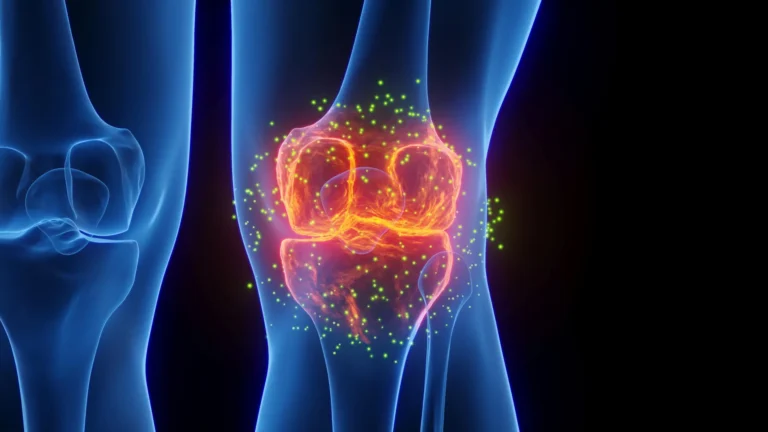












In the modern fitness landscape, High-Intensity Interval Training (HIIT) has long been heralded as the ultimate panacea for the time-strapped individual. By promising maximal physiological returns—improved VO2 max, enhanced metabolic rate, and superior cardiovascular health—in a fraction of the time required for steady-state cardio, HIIT has cemented itself as a cornerstone of both commercial gym culture and elite athletic performance.
However, a growing body of evidence suggests that the industry’s obsession with "maximal effort" is reaching a point of diminishing returns. Coaches, exercise physiologists, and performance experts are increasingly sounding the alarm: the relentless pursuit of high intensity, when divorced from structured recovery, is leading to a plague of burnout, stagnation, and injury. The future of effective training, it seems, lies not in pushing harder, but in training smarter.
Main Facts: The Anatomy of the HIIT Overdose
The core appeal of HIIT is rooted in its efficiency. By alternating short bursts of anaerobic activity with brief recovery periods, HIIT triggers "Excess Post-exercise Oxygen Consumption" (EPOC), colloquially known as the "afterburn effect." While scientifically sound, the application of this methodology has suffered from a critical misunderstanding: the conflation of "intensity" with "necessity."
The "Default to Maximal" Trap
The primary issue facing fitness enthusiasts today is the psychological tendency to default to maximal intensity during every session. Data suggests that clients often treat every HIIT workout as a test of willpower rather than a stimulus for physiological adaptation. When the nervous system is pushed to its limit during every training window, the body’s sympathetic nervous system remains in a state of chronic activation. This leads to:
- Autonomic Nervous System (ANS) Dysregulation: An inability to transition from "fight or flight" to "rest and digest," leading to sleep disturbances and elevated cortisol levels.
- Reduced Performance Output: Chronic fatigue diminishes the quality of high-intensity efforts, effectively rendering the "HIIT" session nothing more than a medium-intensity slog that lacks the specific stimulus needed for adaptation.
- Plateauing: Without lower-intensity work to build an aerobic base, the body’s ability to clear metabolic byproducts is hindered, stalling overall fitness progress.
Chronology: From Fringe Method to Industry Standard
To understand how we reached this state of over-intensity, one must look at the historical trajectory of interval training.
The 1970s–1990s: The Genesis
The foundation was laid by pioneers like Izumi Tabata, whose 1996 study on Japanese speed skaters showcased the efficacy of short, grueling intervals. During this era, HIIT was primarily the domain of elite athletes and Olympic training programs. It was a precision tool, used sparingly to peak performance before major competitions.
The 2000s: The Commercialization Boom
As the fitness industry sought to monetize time-efficiency, HIIT was repackaged for the general public. Brands like CrossFit and various boutique studio franchises democratized high-intensity training. The message became simple: "If you aren’t sweating and gasping for air, you aren’t working hard enough." This marketing narrative successfully drove gym memberships but fundamentally altered the application of the science.
2015–Present: The Correction
In recent years, exercise scientists have begun to track the long-term outcomes of these high-intensity trends. We are currently in a period of correction. The "80/20 Rule"—a training philosophy long utilized by endurance athletes, where 80% of training is low-intensity and 20% is high-intensity—is being rediscovered by the general fitness population as a necessary antidote to the burnout epidemic.
Supporting Data: The Science of Recovery
Quantitative analysis of physiological markers provides a stark warning against constant high-intensity training.
The HRV Indicator
Heart Rate Variability (HRV) has emerged as the gold standard for measuring recovery. Athletes who engage in daily high-intensity training often exhibit a sharp decline in HRV, indicating that the parasympathetic nervous system is failing to recover. Clinical observations show that when HIIT frequency is limited to two or three times per week, with low-intensity "Zone 2" training filling the gaps, HRV scores stabilize and performance output in the high-intensity sessions actually increases by an average of 12–15%.
Metabolic Adaptation
Research published in the Journal of Strength and Conditioning Research highlights that high-intensity efforts require significant glycogen stores and place immense stress on the endocrine system. When these stores are depleted daily, the body begins to break down muscle tissue for energy (gluconeogenesis), which is counterproductive to the goals of most HIIT participants. Conversely, lower-intensity sessions promote mitochondrial biogenesis—the creation of new energy-producing cells—without the systemic stress that necessitates a 48-hour recovery window.
Official Responses and Expert Consensus
The shift toward balanced training is being championed by leading figures in sports science.
The Strength Coach Perspective
"We have stopped treating every training session as a race," says Dr. Aris Thorne, a leading performance physiologist. "Clients arrive wanting to leave in a puddle of sweat, thinking that is the only way to validate their membership. Our job is to educate them that ‘easy’ days are not ‘wasted’ days. They are the physiological foundation upon which the high-intensity house is built."
The Medical Community
Medical professionals are also noting a rise in overtraining syndrome (OTS) in middle-aged recreational athletes. "We are seeing high rates of tendonitis, hormonal imbalances, and even cardiac strain in individuals who are pushing their heart rates to near-maximal levels five to six days a week," notes Dr. Elena Vance, a sports medicine specialist. "The heart is a muscle, but it requires varied intensity to grow stronger without succumbing to chronic stress."
Implications: The Future of Fitness Programming
The implications of this shift are profound for the fitness industry, the consumer, and the health of the general population.
For the Fitness Industry
The "maximal intensity" business model is increasingly seen as a liability. Forward-thinking studios are now incorporating "Recovery HIIT" and "Aerobic Base Training" into their schedules. Trainers are moving away from the "drill sergeant" archetype toward a more holistic coaching model that prioritizes client longevity and metabolic health over temporary caloric burn.
For the Individual
For the average gym-goer, this means a fundamental shift in mindset. Success should no longer be measured by the inability to walk after a workout, but by consistent, sustainable progress.
- Strategic Inclusion: Incorporating low-intensity work (brisk walking, cycling, or light resistance) is not a regression; it is a strategic maneuver to support higher quality in the 20% of sessions that truly require intensity.
- Long-Term Adherence: By reducing the systemic load, individuals are less likely to experience injury or the psychological burnout that leads to quitting.
- Enhanced Adaptation: By allowing the body time to repair, the physiological adaptations—increased stroke volume, improved insulin sensitivity, and muscle hypertrophy—become more pronounced.
Conclusion: A New Era of Training
The paradigm shift from "more is better" to "smarter is better" is the most significant evolution in the fitness industry in decades. While HIIT remains a powerful tool, it is not a complete solution. It is merely one color on the palette of human performance. To paint a picture of true health, we must balance the vibrant, high-intensity strokes with the steady, foundational work of low-intensity movement.
As we move forward, the most successful athletes—and the healthiest gym-goers—will be those who master the art of the "easy" day. In a world that demands constant, maximal output, the radical act of slowing down may be the key to performing at our absolute best. The efficiency of HIIT was never meant to be a daily requirement; it was designed to be an elite stimulus, best served when balanced by the quiet, consistent work of building a foundation that can truly withstand the heat.