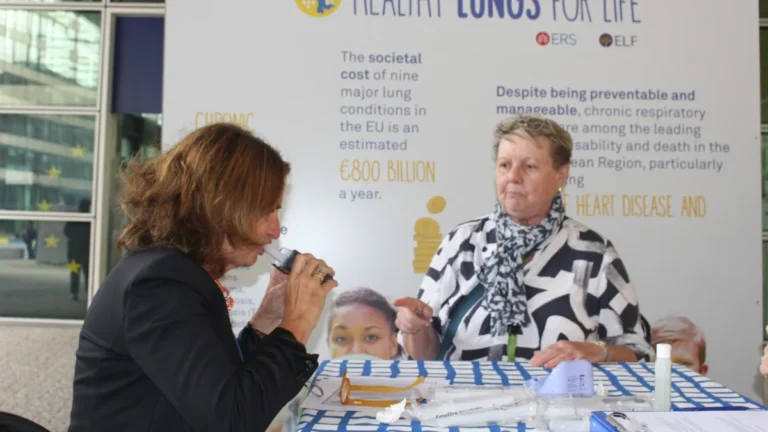
In a landmark legislative move that has sent ripples through the global public health community, the United Kingdom Parliament has formally approved the Tobacco and Vapes Bill. This decisive action positions the UK as only the second nation in the world—following the Maldives—to implement a generational ban on the sale of tobacco products. By establishing a sliding scale of legality based on birth dates, the British government is effectively setting a terminal date for the commercial sale of combustible cigarettes to future generations.
The legislation mandates that anyone born on or after January 1, 2009, will be permanently prohibited from legally purchasing tobacco products in the UK. This is not merely a restriction; it is a structural dismantling of the tobacco market, designed to ensure that the current cohort of young people becomes the first truly smoke-free generation. Beyond the generational ban, the bill grants the government expansive regulatory powers to curb the rising tide of nicotine addiction, allowing for strict oversight of e-cigarette flavors, eye-catching packaging, and the methods by which these products are marketed to the public.
The Chronology of a Policy Shift
The road to this historic vote was paved by years of advocacy, shifting public opinion, and a growing recognition that traditional tobacco control measures—while effective to a point—were insufficient to address the modern crisis of nicotine dependency.
- The Conceptual Phase: For over a decade, health policy analysts and medical bodies, including the European Respiratory Society (ERS), argued that "business as usual" tobacco control was failing to protect the youngest demographics.
- The Policy Proposal: The concept of a "tobacco endgame" gained momentum as global health organizations shifted focus from harm reduction to total prevention. The UK government began drafting the Tobacco and Vapes Bill, framing it as a vital health intervention to alleviate the long-term burden on the National Health Service (NHS).
- The Parliamentary Debate: Throughout the legislative process, the bill faced intense scrutiny. Proponents argued it was a necessary shield against corporate marketing, while some critics raised questions about individual liberties and the potential for a black market. However, the cross-party consensus on the urgency of the public health crisis ultimately carried the bill to a successful vote.
- The Enactment: Following the approval earlier this week, the bill is set to enter the statute books, marking a definitive shift in the UK’s approach to public health.
Supporting Data: The Global Nicotine Crisis
The urgency behind this legislation is rooted in sobering data. Tobacco remains the single greatest driver of preventable morbidity and mortality worldwide. Yet, in recent years, the landscape of addiction has evolved. The emergence of sleek, flavored, and highly addictive e-cigarettes has introduced a new generation to nicotine, threatening to undo decades of progress in smoking cessation.
Recent data indicates a worrying trend across Europe, where 22% of 15- to 16-year-olds reported using e-cigarettes within the past month. In some regions, these figures are significantly higher, pointing to an epidemic of youth vaping that is increasingly viewed by medical professionals as a gateway to long-term addiction.
The concern is not just the nicotine itself, but the lack of longitudinal data regarding the long-term impacts of these devices on developing lungs. As Ed Powell, Chair of the European Lung Foundation (ELF) Youth Group, noted: "Vaping is a growing issue, especially the appeal to young people and the unknown long-term impacts. The government’s stance on this is very positive, as it takes a wider view of what can also cause issues for the lungs."
Official Responses and Expert Consensus
The medical community has largely championed the legislation as a "future-proofed" strategy. Experts from the European Respiratory Society (ERS) have highlighted that these measures are essential to reducing the market appeal of nicotine products. By limiting availability and removing the "lifestyle" branding that often lures younger users, the UK government is attempting to neutralize the aggressive marketing tactics of the tobacco and vape industries.
The Perspective of the Youth
The involvement of organizations like the ELF Youth Group is critical. Their endorsement underscores that this is not a policy being imposed on young people, but rather a protective measure championed by those who see the damage of nicotine addiction firsthand. Powell’s assertion that the bill is a "positive, future-proofed approach" resonates with a generation that has been targeted by companies selling colorful, fruit-flavored nicotine pods as innocuous accessories.
The Public Health Stance
The government’s position is clear: the cost of inaction is too high. By focusing on "prevention at the source," the UK is moving toward a target of reducing smoking prevalence to under 5% of the population. This "tobacco endgame" approach recognizes that taxation and smoke-free zones are no longer enough. The focus must now shift to total market limitation.
Implications: A New Era for Public Health
The passage of this bill creates a domino effect of implications, both domestically and internationally.
1. Reconceptualizing the "Endgame"
The "tobacco endgame" is a paradigm shift. Historically, public health initiatives sought to make smoking "safer" or "less attractive." This new approach seeks to make smoking obsolete. By creating a legal cutoff, the UK is treating tobacco not as a consumer commodity, but as a public health hazard that must be phased out of the marketplace entirely.
2. Regulatory Power and Corporate Accountability
The new powers granted to the government regarding packaging and flavors are a direct challenge to the business models of nicotine manufacturers. For years, the industry has relied on "lifestyle branding" to keep products relevant to youth. The new regulations aim to strip away these layers, rendering products unappealing to those who are not already addicted.
3. Global Influence and the FRESHAIR4Life Initiative
The UK’s bold move provides a blueprint for other nations. This milestone aligns with international efforts like the EU-funded FRESHAIR4Life project. This initiative, which focuses on testing interventions to reduce tobacco and air pollution exposure among disadvantaged populations across five countries, provides the research backbone for the types of policies the UK has now adopted. The synergy between high-level legislative action and on-the-ground, community-focused research is essential for the long-term success of these policies.
Looking Toward a Tobacco-Free Future
The implications for the UK’s National Health Service (NHS) are profound. By curbing the influx of new smokers, the government expects a significant long-term reduction in respiratory diseases, cardiovascular conditions, and cancers associated with smoking. This is a multi-generational investment in the nation’s health capital.
However, the transition will not be without its challenges. Implementing a ban that is age-dependent requires robust enforcement at the retail level and a commitment to ensuring that current smokers are provided with the support and resources they need to quit. The "tobacco-free" goal is not merely about banning sales; it is about providing a comprehensive support structure for a population transitioning away from a centuries-old addiction.
As the UK moves forward, the world will be watching. If the generational ban succeeds in drastically reducing smoking rates among the youth, it will likely serve as the gold standard for global tobacco control. For now, the legislation stands as a testament to the power of proactive, science-led policy-making. It is a declaration that the health of the next generation takes precedence over the profits of an industry built on the legacy of preventable death.
For those interested in following the progress of this historic transition, the ERS Advocacy team continues to provide updates on how these regulations are being implemented and how they interact with broader European health directives. The journey toward a smoke-free future has officially begun, and the target is clear: a society where the use of tobacco is a relic of the past, rather than a reality of the present.
For further reading on the intersection of air quality and tobacco control, visit the FRESHAIR4Life project portal and stay updated through the ERS Advocacy news feed.