






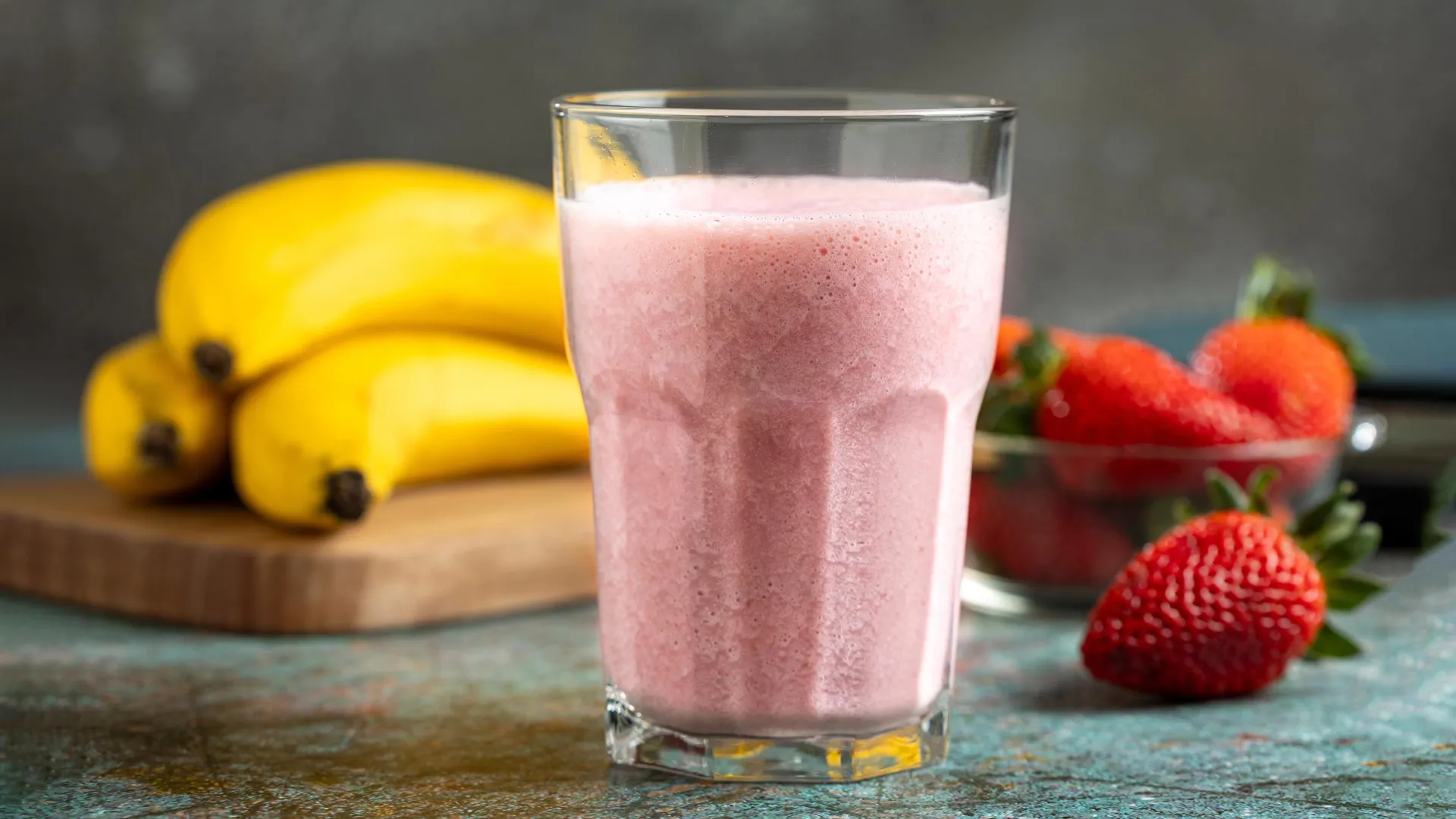
For millions of health-conscious individuals, the morning ritual is sacred: a handful of frozen berries, a splash of almond milk, perhaps a scoop of protein powder, and the ubiquitous banana. It is a quick, nutrient-dense solution to a busy lifestyle—a "perfectly healthy" drink. However, a groundbreaking study from the University of California, Davis, suggests that this common habit might be significantly diminishing the nutritional value of your breakfast.
The research, published in the Food & Function journal, reveals that how we combine ingredients in a blender can fundamentally alter the way our bodies absorb essential compounds. Specifically, the inclusion of bananas—an ingredient prized for its texture and potassium content—may be neutralizing the heart-healthy benefits of flavanols found in other fruits.
The Science of the "Nutrient Gap"
At the center of this discovery is an enzyme known as polyphenol oxidase (PPO). Anyone who has ever watched a sliced apple or a peeled banana turn brown on the counter has witnessed PPO in action. When fruit tissue is damaged—whether by a knife, teeth, or a high-speed blender—PPO is released, triggering a chemical reaction that leads to the oxidation of phenolic compounds.
While this browning is a common culinary annoyance, the UC Davis research team sought to determine if this same enzymatic activity impacts the bioavailability of flavanols when ingested. Flavanols are a group of bioactive compounds found abundantly in apples, pears, blueberries, blackberries, grapes, and cocoa. They are widely recognized by the scientific community for their potential to support cardiovascular health, improve blood flow, and enhance cognitive function.
"We sought to understand, on a very practical level, how a common food and food preparation like a banana-based smoothie could affect the availability of flavanols to be absorbed after intake," explained Javier Ottaviani, the lead author of the study and director of the Core Laboratory of Mars Edge.
Chronology of the Discovery
The investigation into the "smoothie effect" was structured as a controlled nutritional study designed to measure the absorption rates of flavanols under varying conditions.
Phase One: The Smoothie Trial
Researchers created two distinct smoothies. The first was a "high-PPO" drink, featuring bananas, which are known for their high enzymatic activity. The second was a "low-PPO" drink, crafted from mixed berries. Participants also consumed a flavanol capsule, which served as the control group to establish a baseline for how much of the compound should typically enter the bloodstream.
Phase Two: Monitoring Absorption
The team collected blood and urine samples from the participants at regular intervals following consumption. The findings were stark. Those who consumed the banana-based smoothie exhibited an 84% reduction in flavanol levels compared to the control group. Conversely, the participants who drank the low-PPO berry smoothie showed flavanol levels nearly identical to the capsule control.
Phase Three: Post-Consumption Interaction
To ensure the effect was not merely a result of mixing the ingredients before drinking, the researchers performed a follow-up test. Participants were given flavanols and a banana-based drink separately, yet even when the ingredients were kept apart until ingestion, the reduction in flavanol absorption persisted. This suggests that the PPO enzyme from the banana remains active within the stomach, continuing to inhibit the absorption of nutrients even after the smoothie has been swallowed.
Supporting Data and Nutritional Guidelines
The findings take on added weight when viewed alongside current dietary guidelines. The Academy of Nutrition and Dietetics has established a recommended intake of 400 to 600 milligrams of flavanols per day to support optimal cardiometabolic health.
However, the UC Davis study suggests that if a consumer is relying on a daily smoothie to hit these targets, their choice of fruit pairings could be rendering their efforts ineffective. If a smoothie contains 500 milligrams of flavanols from berries but is blended with a banana, the body may only be absorbing a fraction of that intended dose.
It is important to note that the study was conducted on a relatively small cohort—eight men in the first phase and 11 in the second. While the results are statistically significant and biologically plausible, researchers acknowledge that further large-scale clinical trials are required to determine the long-term impact on a diverse population with varying digestive health profiles.
Expert Perspectives: A Nuanced Approach
Nutrition experts, while acknowledging the validity of the study, have urged the public to avoid "nutritional alarmism." Bananas remain a powerhouse of nutrition, offering essential fiber, potassium, and vitamins that are vital for overall health.
"The findings do not mean bananas are bad for you," noted Ottaviani. "They can still be a part of a healthy, varied diet. The lesson is simply that if your primary goal is to maximize the intake of flavanols, you may want to reconsider your recipe."
The consensus among dietitians is that the "perfect" diet is not about individual ingredients, but about the synergy of a balanced intake throughout the day. If you enjoy bananas in your smoothies, you do not need to eliminate them entirely; rather, consider consuming your flavanol-rich foods—such as cocoa, grapes, or berries—at a different time of day or in a different format.
Implications for Future Nutrition
The implications of this research extend far beyond the humble smoothie. This study highlights the growing field of "food matrix effects," which examines how the interaction between different food components can either enhance or inhibit nutrient absorption.
1. Rethinking Smoothie Recipes
For those who wish to maintain their high-flavanol intake, the researchers suggest swapping high-PPO fruits like bananas for low-PPO alternatives. Excellent options that maintain the creamy texture and sweetness of a smoothie include:
- Mangoes: Known for their tropical flavor and lower PPO content.
- Pineapples: A fiber-rich, low-PPO option that provides a bright, acidic balance.
- Yogurt: Provides the desired creaminess and probiotic benefits without the enzymatic interference of bananas.
- Oranges: A citrus-based alternative that supports a refreshing flavor profile.
2. Broadening the Research Scope
The study has opened a door for further investigation into other common food preparations. Ottaviani pointed out that tea, another massive source of dietary flavanols, could be affected by additives like milk or certain fruits that might change the chemistry of the infusion. The scientific community is now looking closer at how brewing, heating, and blending methods impact the "bioactive bioavailability" of our diets.
3. A Shift in Focus
The research reinforces a shift in nutritional science away from looking at "superfoods" in isolation and toward understanding the complex interactions that occur within our digestive systems. We are moving toward a more nuanced understanding of nutrition where the combination of foods is as critical as the selection of foods.
Conclusion: Practical Takeaways
The UC Davis study serves as a fascinating reminder that our bodies are complex, highly active chemical laboratories. While the smoothie you drink is indeed a healthy choice, the way you prepare it matters.
If you are a health enthusiast who carefully tracks your intake of antioxidants and flavanols, consider your blender a tool that requires a bit of strategy. Keep your bananas for those mornings when you need a quick, potassium-rich fuel source, but perhaps keep them out of the jar when you are blending up a batch of nutrient-dense berries or cocoa.
As with all nutritional research, the best advice remains consistent: focus on variety, moderation, and an awareness of how your habits impact your body’s ability to process the nutrients you consume. By making small, informed adjustments to your daily routine, you can ensure that the healthy food you put into your body is actually being put to work.
Disclaimer: This article is for informational purposes only and does not constitute medical advice. Please consult with a registered dietitian or healthcare professional for personalized nutritional guidance.