








For millennia, fasting has been a cornerstone of cultural, religious, and medicinal practices. From the ritualistic abstinence found in major world religions to the modern, tech-driven pursuit of "biohacking," the practice of voluntary caloric restriction is deeply embedded in human history. Yet, while the anecdotal benefits—ranging from mental clarity to weight management—have been touted for generations, the biological machinery driving these changes has remained largely shrouded in mystery.
New, groundbreaking research published in Nature Metabolism has finally pulled back the curtain, offering the most comprehensive molecular map of the human body under the stress of prolonged fasting. By utilizing advanced proteomics, scientists have discovered that the most profound physiological transformations do not occur during the initial hours of a fast, but rather trigger a systemic "reset" only after a critical three-day threshold is breached.
The Molecular Pivot: A New Chronology of Fasting
To understand how the body recalibrates, researchers from the Precision Healthcare University Research Institute (PHURI) at Queen Mary University of London and the Norwegian School of Sports Sciences conducted a controlled study of 12 healthy volunteers. The participants underwent a strict seven-day water-only fast, with blood samples drawn daily to monitor the shifting tides of their internal chemistry.
The First 72 Hours: The Metabolic Switch
The body is evolutionary hardware designed for scarcity. In the absence of exogenous fuel (food), the human system initiates a predictable transition. During the first two to three days, the body exhausts its circulating glucose and glycogen stores. As these supplies dwindle, the metabolism undergoes its first major shift: the transition from burning carbohydrates to oxidizing stored adipose tissue (fat).
During this initial phase, the participants experienced an average weight loss of 5.7 kilograms (roughly 12.5 pounds). This weight loss was a mix of fat and lean tissue. However, once participants resumed eating, the body demonstrated a remarkable resilience: the majority of the lost lean tissue was regained, while a significant portion of the fat loss persisted—a finding that underscores the potential of fasting as a tool for body composition management.
The "Third-Day" Threshold
The most startling revelation of the study was the temporal delay in systemic change. For the first three days, the body remains in a state of flux, primarily focused on basic energy preservation. It is only after the 72-hour mark that the body enters a distinct, deeper biological state.
Using advanced proteomics technology, researchers tracked roughly 3,000 proteins circulating in the bloodstream. They discovered that more than one-third of these proteins shifted significantly—but only after the three-day mark. These shifts were not random; they were highly coordinated, suggesting that the human body possesses a "pre-programmed" response to extended calorie deprivation that triggers widespread molecular repair and structural adaptation.
Supporting Data: Mapping the Systemic Reset
The proteomics data provided a granular view of organ-specific responses. One of the most critical discoveries involved the extracellular matrix—the scaffold of proteins that provides structural support to tissues and organs.
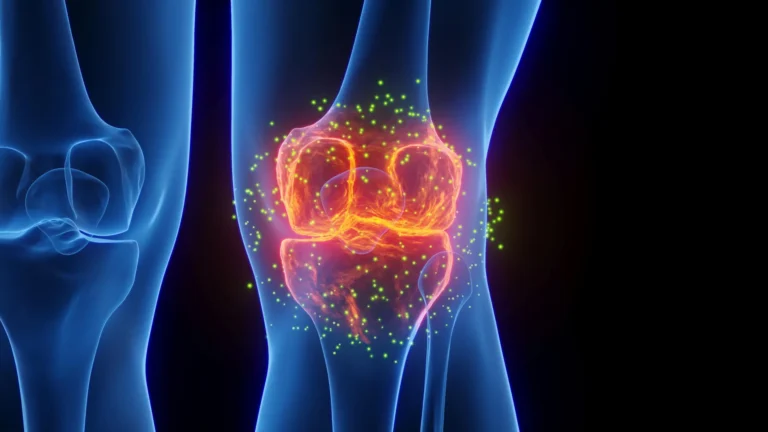
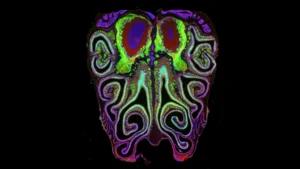
As the fast extended beyond three days, researchers observed significant changes in proteins linked to the brain’s neuronal support structures. This implies that prolonged fasting may exert a protective or regenerative influence on neurological tissues. By analyzing genetic data alongside these protein shifts, the team was able to draw correlations between these biological changes and long-term health outcomes, specifically regarding inflammation reduction and the modulation of disease-associated pathways.
The Rise of the Ketogenic State
Complementing these findings, recent auxiliary research has confirmed that prolonged fasting pushes the body into a profound "ketogenic state." In this mode, cells transition from relying on glucose to utilizing ketones—molecules produced by the liver from fat. This fuel-switching mechanism is not merely an energy substitute; it serves as a signaling pathway that alters gene expression, promotes autophagy (the process of cleaning out damaged cells), and enhances mitochondrial efficiency.
Official Responses and Scientific Context
The implications of this study are being felt across the fields of endocrinology, cardiology, and longevity science. Claudia Langenberg, Director of PHURI, emphasized the significance of the "three-day rule" in validating the health claims often made by proponents of intermittent fasting.
"For the first time, we’re able to see what’s happening on a molecular level across the body when we fast," Langenberg stated. "Our results provide evidence for the health benefits of fasting beyond weight loss, but these were only visible after three days of total caloric restriction—later than we previously thought."
Maik Pietzner, Health Data Chair of PHURI and co-lead of the Computational Medicine Group at the Berlin Institute of Health at Charité, echoed this sentiment, framing the findings as a bridge between ancient wisdom and modern clinical practice. "Our findings have provided a basis for some age-old knowledge as to why fasting is used for certain conditions," Pietzner noted. "We hope that these findings can provide information about why fasting is beneficial in certain cases, which can then be used to develop treatments that patients are able to do."
Implications: The Quest for "Fasting Mimetics"
The primary goal of this research is not necessarily to encourage long-term, water-only fasting for the general public, but rather to distill the "active ingredients" of the fasting process. If scientists can identify the exact proteins and pathways that yield the benefits—such as reduced inflammation and improved metabolic health—they may be able to develop pharmacological "fasting mimetics."
These therapies would theoretically allow patients to reap the systemic repair benefits of a seven-day fast without the physiological stress, hunger, or physical risks of actual starvation. This is particularly vital for patients who are too frail to undergo fasting but who could benefit from its protective effects on metabolism and chronic inflammation.
The Warning: The Hidden Risks of Extreme Fasting
Despite the excitement surrounding these molecular insights, the scientific community is unified in a word of caution: prolonged fasting is a high-stakes physiological intervention. It is not a lifestyle hack to be performed without medical supervision.
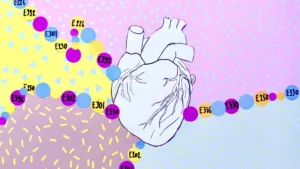
Recent proteomics studies have identified potential "dark sides" to the fasting process. Researchers have observed spikes in inflammation, platelet activation, and alterations in blood clotting pathways during extended fasts. While these may represent temporary adaptive stress responses, they are not without risk.
Experts highlight several immediate dangers associated with prolonged caloric deprivation:
- Electrolyte Imbalance: The rapid shedding of water weight can deplete essential minerals, leading to heart rhythm irregularities.
- Neurological Distress: Severe dizziness, syncope (fainting), and cognitive impairment.
- Muscle Atrophy: While the body protects lean tissue, prolonged fasting eventually necessitates the catabolism of muscle mass.
- Exacerbation of Chronic Disease: For individuals with diabetes, cardiovascular disease, or eating disorders, the metabolic shifts induced by fasting can lead to dangerous, life-threatening complications.
Conclusion: A New Frontier in Preventive Medicine
The study published in Nature Metabolism marks a watershed moment in our understanding of human physiology. By moving beyond simple weight-loss metrics and into the complex, protein-level architecture of the fasting state, researchers have validated that the body’s response to hunger is a sophisticated, systemic program of preservation and renewal.
While the "three-day threshold" remains a daunting barrier for many, it provides a clear target for future therapeutic development. As we stand on the precipice of a new era in metabolic medicine, the lessons learned from the deprivation of the few may eventually lead to the healing of the many. For now, the takeaway is clear: the body possesses an internal pharmacy, but access to it requires a precise, measured, and carefully supervised approach.