In the landscape of chronic pain management, few conditions are as misunderstood or as complex to navigate as Ehlers-Danlos Syndrome (EDS) and Hypermobility Spectrum Disorders (HSD). Patients often face years of diagnostic delays, medical gaslighting, and exercise prescriptions that prioritize "pushing through" pain—a strategy that can prove catastrophic for those with connective tissue instability.
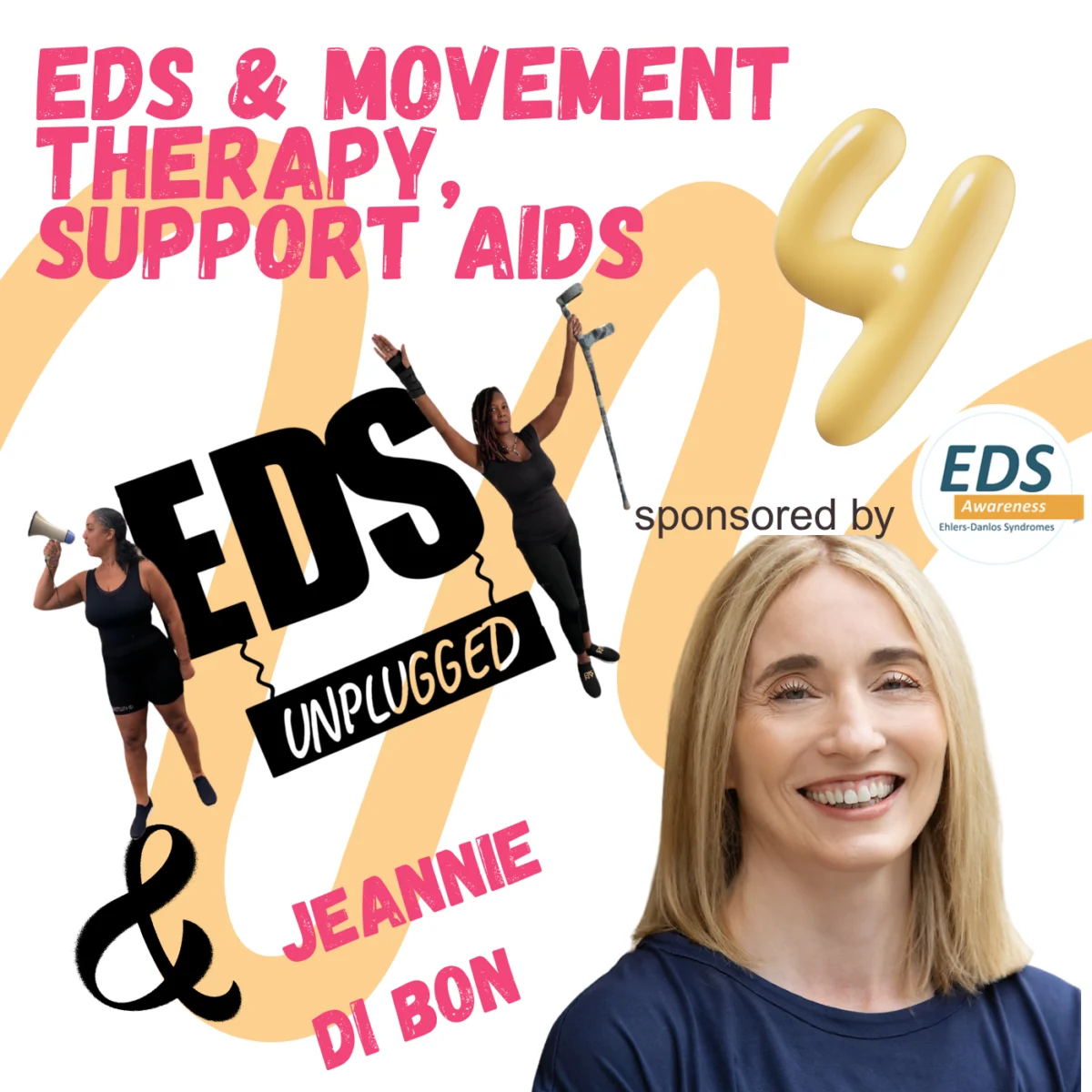
However, a paradigm shift is underway, led by movement therapist and educator Jeannie Di Bon. Founder of the Integral Movement Method (IMM) and the digital health platform The Zebra Club, Di Bon is challenging the status quo of traditional physical therapy. In a recent episode of the EDS Unplugged podcast, hosted by Cassandra A. Campbell and Marcia Brock, Di Bon detailed an evidence-based, compassionate approach to movement that prioritizes nervous system regulation over brute strength.
The Evolution of a Specialist: A Personal Journey
Jeannie Di Bon’s expertise is not merely academic; it is deeply rooted in lived experience. Her own journey toward understanding her body began at age 12, characterized by a series of disparate symptoms—headaches, IBS, and chronic joint pain—that would not be formally identified as hypermobile EDS until she was an adult.
Following the birth of her children, her condition deteriorated significantly, culminating in a loss of sensation in her arm due to severe joint instability. A physiotherapist’s advice to try Pilates became the catalyst for her career shift. While initially pursuing movement for self-rehabilitation, Di Bon quickly became the go-to specialist for hypermobile patients.
"I was sent the patients I was meant to work with," Di Bon noted during the interview. "I rehabbed myself, but I learned so much from those clients. I was seeing my own symptoms reflected in every new patient, and it wasn’t until 2017, while seeking help for Mast Cell Activation Syndrome, that an EDS specialist finally provided the clinical diagnosis I had been living with for 35 years."
The Integral Movement Method: A Three-Pillar Framework
The core of Di Bon’s philosophy is the Integral Movement Method (IMM), which rejects the "one-size-fits-all" approach often found in mainstream fitness. The method is built on a specific hierarchy: Safety, Stability, and then Strength.
Di Bon argues that the most common failure in treating EDS patients is the premature introduction of high-intensity strengthening exercises. For a community plagued by trauma, medical dismissal, and chronic bracing, the nervous system is often in a state of hyper-vigilance.
1. Nervous System Regulation
Before any physical loading occurs, the patient must learn to "turn off" the bracing patterns that have developed as a survival mechanism. "If your shoulders are up to your ears and you aren’t breathing properly, how can you possibly do strength training?" Di Bon asks. Breathwork and proprioceptive awareness are the first steps to unlocking the body’s potential.
2. Stability
Once the nervous system is regulated, the focus shifts to finding stability within the joints. This involves teaching the body to maintain alignment without relying on the connective tissue "hanging" that characterizes hypermobility.
3. Strength
Only after safety and stability are established does traditional strength training become a viable, injury-free goal. By following this sequence, Di Bon’s patients are able to build muscle without the constant cycle of injury and flare-ups.
Evidence-Based Validation
The effectiveness of the IMM is not just anecdotal. In February 2026, quantitative research was published confirming the clinical significance of Di Bon’s approach. The study monitored patient outcomes over an eight-week period with a six-month follow-up, involving 200 participants.
The data revealed a crucial finding: significant improvements in patient health were not correlated with increased physical activity levels. Instead, progress was tied to qualitative changes in movement patterns and increased body awareness. This is a vital takeaway for the community, as it effectively dismantles the pressure to "do more" or "hit the gym harder"—a narrative that frequently leads to patient burnout and secondary injury.
Implications for the Healthcare System
The medical community’s treatment of hypermobility is currently in a state of flux. The transition from older terms like "Joint Hypermobility Syndrome" to the current "hEDS" and "HSD" labels has caused confusion for patients and clinicians alike. Di Bon points to upcoming classifications from the EDS Society expected in late 2026, which may finally recognize the condition as a broader, unified spectrum rather than a collection of distinct labels.
Despite this progress, the "Beighton Score"—a simple test of joint laxity—remains an inadequate tool for diagnosis, often leading to the dismissal of patients who do not meet narrow, rigid criteria. Di Bon advocates for a move toward patient-centered care where the label is secondary to the management of pain and systemic symptoms.
The Role of Medical Aids
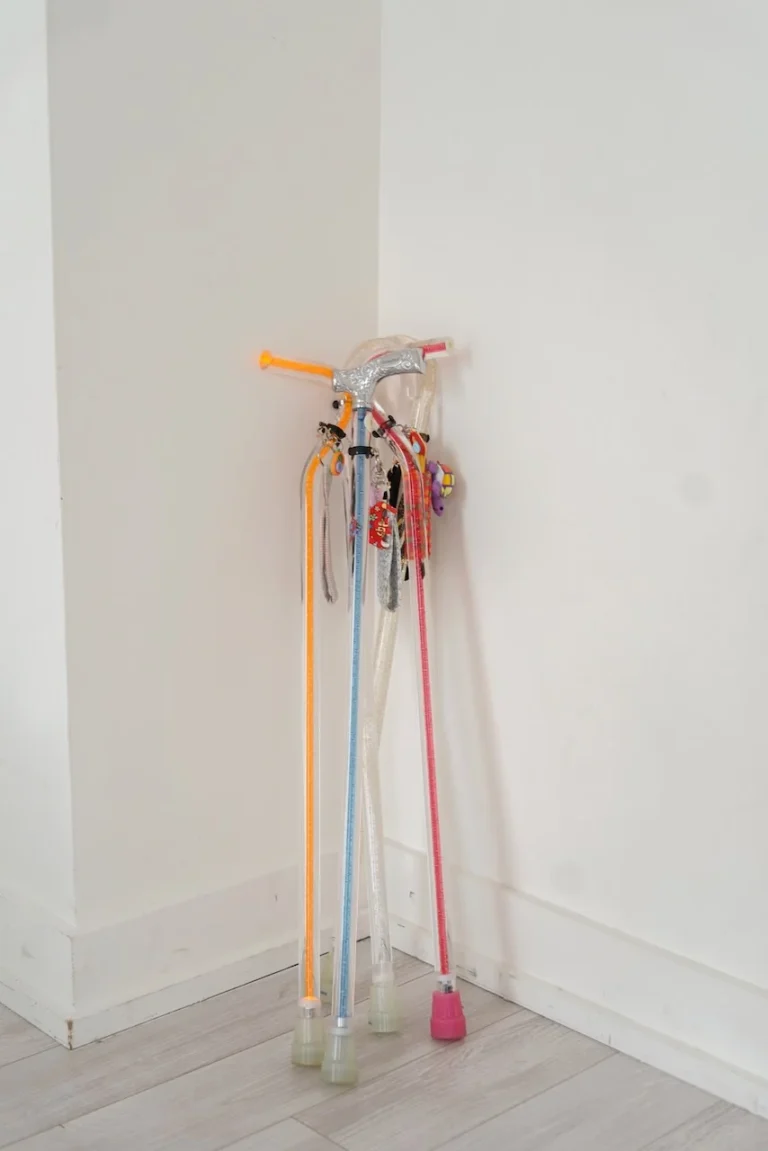
A contentious issue in the community is the use of medical supports, such as braces, splints, and compression garments. Many clinicians historically discouraged their use, fearing "muscle wasting." Di Bon, however, views aids as essential tools for functional living.
"If people need support, they need braces," she asserts. "They enable the patient to be more functional and confident. My only caveat is that they shouldn’t be a substitute for movement work. Use them to help you perform the necessary exercises, or to navigate daily life, but continue the underlying work of building body awareness."
Practical Advice for the Newly Diagnosed
For those feeling overwhelmed by a new diagnosis, Di Bon offers a mantra: "Go low, go slow."
- Establish a Baseline: Find the number of repetitions you can perform without triggering a flare-up, even if that number is only one or two.
- Incorporate "Movement Snacks": Movement does not require a gym membership. Simple pelvic tilts in bed, heel raises while brushing teeth, or gentle shoulder rolls are effective ways to maintain mobility without taxing the nervous system.
- Prioritize Pacing: Learning to stop before the crash is a skill. For those struggling with guilt, Di Bon emphasizes that resting is not a luxury; it is a clinical necessity for managing a connective tissue disorder.
- Advocate for Yourself: "You are the expert of your own body," Di Bon reminds patients. If a prescribed movement causes pain, it is not "good pain." It is a signal to stop, listen, and reassess.
Conclusion: A New Standard of Support
The Zebra Club, which has grown from a simple program into a global digital ecosystem, serves as a testament to the need for safe, specialized spaces. By providing tailored movement classes, expert-led education, and a community of peers, Di Bon is helping patients reclaim their autonomy.
As the understanding of EDS and HSD continues to evolve, the emphasis is shifting away from reactive, injury-prone exercise toward proactive, conscious movement. For the millions living with these conditions, the message is one of hope: healing is not about pushing harder or moving faster—it is about moving differently, with intention, self-compassion, and a deep respect for the body’s limits.
Further Resources
For those seeking to explore these methods further:
- The Zebra Club: www.thezebra.club – A comprehensive, evidence-based movement platform.
- The Hypermobility Channel: A YouTube resource featuring over 300 videos on movement and pain management.
- Educational Blogs: jeanniedibon.com – Providing printable resources to facilitate productive conversations with medical providers.