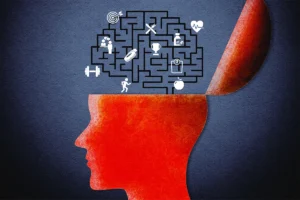












In an era where mental health awareness has transitioned from a peripheral concern to a central pillar of public health, the demand for psychological services has reached an all-time high. However, for many seeking help, the initial journey is often obscured by a dense "alphabet soup" of clinical terminology. Terms such as CBT, DBT, and EMDR frequently appear in search results, yet their practical applications and underlying philosophies remain elusive to the layperson.
Understanding the nuances of these therapeutic modalities is more than an academic exercise; it is a critical component of patient agency. As the clinical field moves toward a more personalized model of care, the ability of an individual to distinguish between a behavioral intervention and a psychodynamic exploration can significantly influence the trajectory of their recovery. This guide serves to demystify the most prominent forms of psychotherapy, providing a roadmap for those navigating the complex world of mental health treatment.
Main Facts: The Diversity of the Therapeutic Toolkit
The fundamental premise of modern psychotherapy is that no single approach is a panacea. The efficacy of a treatment plan is often contingent upon the specific needs, history, and personality of the client. While Cognitive Behavioral Therapy (CBT) remains the most widely recognized modality, the clinical landscape is populated by a variety of specialized treatments designed to address everything from acute trauma to chronic personality disorders.
Key takeaways regarding the current state of therapy include:
- The Rise of Evidence-Based Practice: Most modern therapies are grounded in decades of empirical research, with specific protocols designed for measurable outcomes.
- The Importance of Fit: Research consistently shows that the "therapeutic alliance"—the quality of the relationship between therapist and client—is one of the strongest predictors of success, regardless of the modality used.
- Integrative Approaches: A growing number of clinicians are "integrative," meaning they draw from multiple theories (e.g., using CBT techniques within a Humanistic framework) to tailor treatment to the individual.
- Short-term vs. Long-term: Modalities range from short-term, goal-oriented interventions (5–20 sessions) to open-ended, exploratory processes that may last years.
Chronology: The Evolution of Modern Psychotherapy
To understand current therapy types, one must look at the chronological shifts in psychological thought, often referred to as the "waves" of psychotherapy.

The First Wave: The Psychodynamic Foundation (Late 19th – Early 20th Century)
The journey began with Sigmund Freud and the birth of psychoanalysis. This era focused on the unconscious mind, childhood experiences, and the belief that current distress is rooted in unresolved past conflicts. While traditional psychoanalysis involved years of frequent sessions, it evolved into Psychodynamic Therapy, which remains a cornerstone of modern practice by emphasizing self-awareness and the examination of recurring patterns in relationships.
The Second Wave: The Behavioral and Cognitive Revolution (1950s – 1970s)
Reacting against the perceived lack of empirical rigor in psychoanalysis, the Second Wave introduced Behaviorism (focusing on observable actions) and subsequently, Cognitive Therapy. Pioneers like Aaron T. Beck and Albert Ellis argued that psychological distress is caused by distorted thinking patterns. By merging these ideas, Cognitive Behavioral Therapy (CBT) was born, shifting the focus from the "why" of the past to the "how" of the present.
The Third Wave: Acceptance and Mindfulness (1980s – 1990s)
The Third Wave expanded upon CBT by incorporating Eastern philosophies, mindfulness, and the concept of "dialectics." Marsha Linehan developed Dialectical Behavior Therapy (DBT) during this period to treat complex cases that did not respond to standard CBT. This era emphasized that while change is necessary, acceptance of one’s current reality is equally vital for emotional regulation.
The Trauma-Informed Era (1990s – Present)
As neuroscience advanced, clinicians began to understand how trauma is physically stored in the nervous system. This led to the development of specialized treatments like Eye Movement Desensitization and Reprocessing (EMDR), pioneered by Francine Shapiro. This modern era prioritizes the brain’s physiological processing of memory alongside traditional talk therapy.
Supporting Data: Examining the Efficacy of Primary Modalities
The selection of a therapy type is increasingly driven by clinical data. Below is an analysis of the most common modalities and the evidence supporting their use.

Cognitive Behavioral Therapy (CBT)
CBT operates on the "Cognitive Triad"—the idea that thoughts, feelings, and behaviors are inextricably linked. By challenging "cognitive distortions" (such as catastrophizing or black-and-white thinking), patients can alter their emotional state and behavioral responses.
- The Data: Meta-analyses have shown CBT to be as effective as antidepressant medication for many types of depression and superior in preventing relapse. It is considered the "gold standard" for anxiety disorders and OCD.
Dialectical Behavior Therapy (DBT)
DBT was originally designed for Borderline Personality Disorder (BPD) but has proven effective for any condition characterized by "emotional dysregulation." It balances the "dialectical" tension between change and acceptance.
- Core Skills: DBT focuses on four pillars: Mindfulness (staying present), Distress Tolerance (getting through a crisis without making it worse), Emotion Regulation (reducing vulnerability to intense emotions), and Interpersonal Effectiveness (asserting needs while maintaining relationships).
Eye Movement Desensitization and Reprocessing (EMDR)
EMDR is a structured therapy that encourages the patient to briefly focus on the trauma memory while simultaneously experiencing bilateral stimulation (usually eye movements). This process is believed to mimic the biological mechanisms of REM sleep, allowing the brain to "file away" traumatic memories that were previously stuck in a state of high alert.
- The Data: Research published by the EMDR Institute indicates that up to 90% of single-trauma victims no longer meet the criteria for PTSD after just three 90-minute sessions.
Humanistic and Psychodynamic Approaches
While harder to measure through standardized metrics than CBT, these "insight-oriented" therapies focus on the "whole person."
- Humanistic Therapy: Rooted in the work of Carl Rogers, this approach posits that individuals have an innate drive toward self-actualization. The therapist provides "unconditional positive regard," creating a safe environment for growth.
- Psychodynamic Therapy: Studies suggest that the benefits of psychodynamic therapy not only endure but actually increase after treatment ends, as the patient gains a deeper understanding of their internal world.
Official Responses and Expert Insights: Finding the Right Fit
Mental health professionals emphasize that while understanding these definitions is helpful, the consumer should not feel pressured to "self-diagnose" the best treatment modality. Clinical experts suggest that the initial consultation is the most appropriate time to evaluate the methodology.

According to industry standards, a qualified therapist should be able to provide clear answers to the following:
- Theoretical Orientation: "I primarily use a CBT framework, but I incorporate mindfulness techniques from DBT when dealing with high stress."
- Evidence of Training: Clinicians should be able to cite their certifications, particularly for specialized treatments like EMDR or DBT, which require specific training beyond a general degree.
- Measurement of Progress: Experts suggest asking, "How will we objectively know if I am getting better?" A professional response should include regular check-ins on symptom reduction and the achievement of personal goals.
Anna Aslanian, a noted practitioner in the GoodTherapy network, emphasizes that varied therapeutic training is essential. She notes that a therapist with a diverse "toolkit" can pivot when a patient hits a plateau, ensuring that the treatment evolves alongside the client’s progress.
Implications: The Future of Mental Health and Personal Empowerment
The implications of an informed public are profound. As individuals become more literate in therapeutic modalities, the stigma surrounding mental health treatment continues to dissolve. Therapy is increasingly viewed not as a "last resort" for the broken, but as a proactive investment in one’s "psychological fitness."
The Economic Impact
By identifying the correct therapy type early, patients can avoid years of ineffective treatment. For example, using EMDR for acute PTSD can resolve symptoms in months rather than years, reducing the long-term economic burden on both the individual and the healthcare system.
The Shift Toward Personalized Medicine
The future of psychotherapy lies in "precision mental health." Just as oncology uses genetic markers to choose a chemotherapy regimen, psychology is moving toward using a patient’s history, neurological profile, and specific symptom clusters to prescribe the exact "type" of therapy most likely to succeed.

Empowerment through Choice
Ultimately, the most significant implication of understanding therapy types is the shift in power dynamics. The patient is no longer a passive recipient of care but an active collaborator. When a client understands why they are being asked to track their thoughts in a CBT journal or why they are engaging in bilateral stimulation in EMDR, their "buy-in" increases, which is a primary driver of successful clinical outcomes.
In conclusion, while the world of psychotherapy may seem daunting, it is a field defined by its commitment to human resilience. Whether one chooses the structured path of CBT, the skill-building of DBT, the reprocessing of EMDR, or the deep exploration of Psychodynamic therapy, the goal remains the same: the restoration of agency and the pursuit of a life worth living. Reaching out is not a sign of failure; it is the first act of an informed and empowered individual.