











By Diane Westwater
In an era increasingly dominated by high-stress lifestyles and synthetic wellness trends, the ancient medical system of Ayurveda offers a profound, time-tested framework for human health. At its core, Ayurveda—which translates from Sanskrit as "the science of life"—is not merely a system for treating illness, but a comprehensive methodology for creating and maintaining a dynamic balance of mind, body, and consciousness.
When that delicate equilibrium is disrupted, manifesting as psychosomatic disorders or chronic physiological distress, Ayurveda mandates a strategic clinical approach. Practitioners must first determine whether the patient requires Shamanam (pacification) or Shodanam (purification). This distinction is critical: Shamanam is the path for those whose systems are depleted and in need of nourishment, focusing on removing the root cause of distress while rebuilding physical and energetic strength. Once the patient is stabilized, or in cases where the individual possesses sufficient vitality, Shodanam—the systematic removal of deep-seated toxins—is initiated.
The Foundation of Shodanam: Understanding Panchakarma
The cornerstone of Ayurvedic detoxification is Panchakarma, a rigorous five-fold purification process designed to reset the body’s internal environment. The term is derived from the Sanskrit pancha (five) and karma (action). These five distinct actions work synergistically to mobilize and eliminate metabolic waste products—known as ama—that accumulate in the tissues over time, often acting as the precursor to disease.
While Panchakarma involves various modalities, including specialized massage, heat therapy, and dietary adjustments, one of the most direct and potent routes for therapeutic intervention is the nasal passage. This practice, known as Nasya, is particularly relevant as we transition through the seasonal shifts, specifically during the cold, damp, and stagnant "Kapha" season of winter.
The Physiology of Nasya: The Gateway to Consciousness
In Ayurvedic anatomy, the nose is considered the primary "doorway to the brain" and the seat of consciousness (Majja Dhatu). The rationale for Nasya is rooted in the understanding that any substance introduced via the nasal cavity possesses a direct pathway to the neurological centers.
When herbalized oils, powders, or extracts are administered through the nostrils, they act upon the Nadis—the energetic channels, or "rivers of life"—that govern our physiological and psychological state. The mechanism of action is both energetic and mechanical. Upon inhalation, the administered substance influences the airflow, which in turn interacts with the cribriform plate, a porous bone structure that facilitates the passage of olfactory nerves.
This interaction is not merely superficial. The mechanical movement of air during inhalation presses against the meninges—the protective membranes investing the brain and spinal cord—while simultaneously modulating the diaphragm. This rhythmic "pumping" action stimulates the circulation of cerebrospinal fluid and enhances both venous and arterial blood flow, effectively flushing the brain of stagnation and facilitating a state of heightened clarity and perception.
Navigating the Kapha Season: Why Winter Requires Nasya
To understand the necessity of seasonal cleansing, one must understand the qualities of the Doshas. The Kapha dosha, which governs structure, lubrication, and immunity, is characterized by attributes that are cold, heavy, dense, slow, and cloudy. During the winter months, these qualities naturally increase in the environment and, consequently, within the human body.
When Kapha accumulates excessively, it manifests as sinus congestion, lethargy, mental fog, and respiratory dampness. To counteract these heavy, cold qualities, Ayurveda dictates the use of substances that are heating, drying, and expansive. Nasya serves as the ideal vehicle for delivering these therapeutic energies directly to the site of Kapha accumulation.
There are five traditional classifications of Nasya, ranging from daily maintenance to intensive clinical purification. Regardless of the type, the goal remains the same: to clear the srotas (channels) of the head and neck, allowing the vital life force, or Prana, to circulate without obstruction.
Supporting Data: Vacha and Ginger as Therapeutic Agents
The selection of herbs for Nasya is a precise science, requiring an understanding of Rasa (taste), Guna (quality), and Virya (potency). Two standout remedies for winter-time congestion and mental stagnation are Vacha (Calamus root) and a Ginger-Jaggery infusion.
The Role of Vacha (Calamus Root)
Vacha is revered in the Ayurvedic pharmacopeia for its heating, pungent, and bitter qualities. These energetics are the precise antidote to the heavy, cloudy nature of Kapha. When used in powdered form, Vacha clears the channels of the head, acting as a potent expectorant and stimulant for the brain.
From a neurological perspective, Vacha is considered sattvic, meaning it promotes clarity, truth, and harmony within the mind. By inhaling a small pinch of Vacha powder, the practitioner triggers a mild, cleansing sneeze—an involuntary reflex that serves to expel trapped toxins and revitalize the Udana Vayu, the sub-dosha of Vata responsible for speech, enthusiasm, and the upward movement of energy.
The Ginger-Jaggery Protocol
For those experiencing the more painful, inflammatory aspects of sinus congestion, the Ginger-Jaggery combination is a highly effective, albeit intense, remedy. Ginger (Zingiber officinale) provides the heat necessary to "melt" the cold, dense mucus of Kapha, while Jaggery—a traditional unrefined sugar—acts as a carrier to ensure the therapeutic properties penetrate deep into the tissues without causing excessive irritation.
Clinical Preparation and Application:
- Ingredients: Grate 1 teaspoon of fresh ginger and mix with 1 teaspoon of high-quality jaggery.
- Extraction: Blend with 1/3 cup of water, strain through a clean cheesecloth, and squeeze gently to obtain a pure, potent extract.
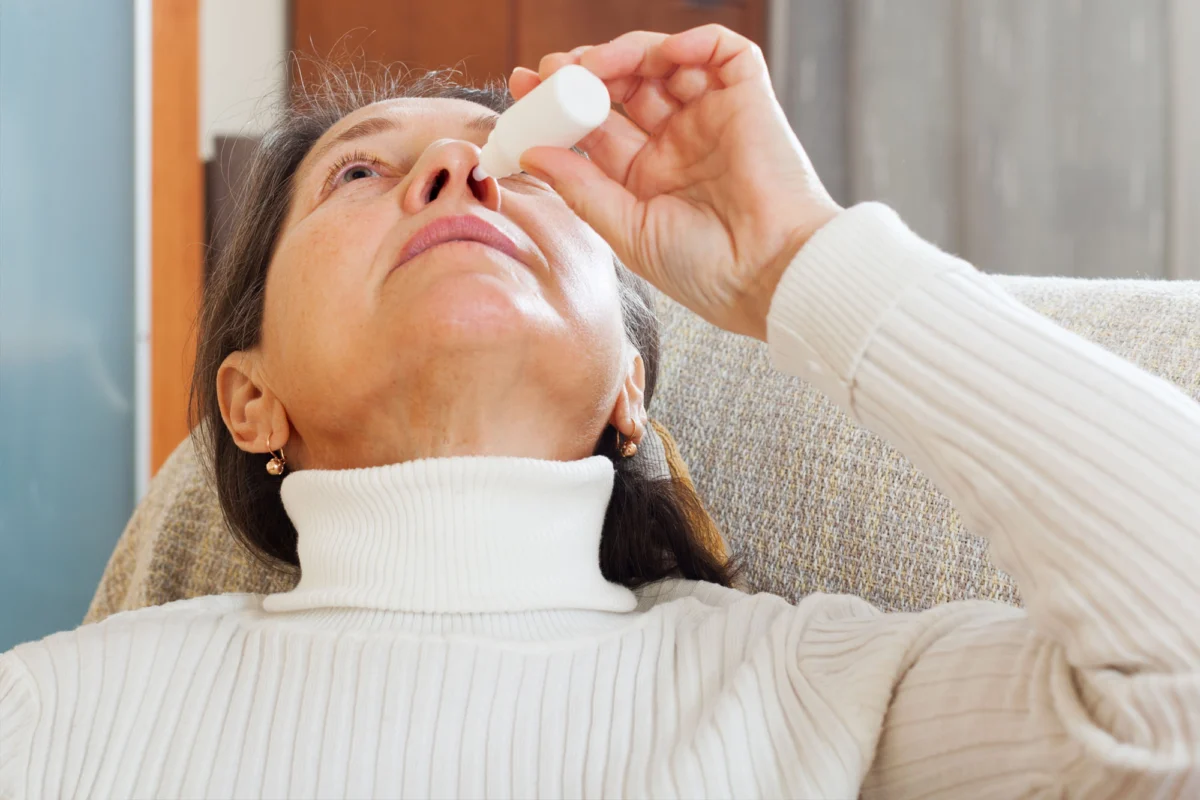
- Administration: Using a dropper, place 2–3 drops in each nostril.
- Safety Note: Users may experience an immediate, sharp burning sensation and reflexive watering of the eyes. This is a normal, transient physiological reaction. The subsequent "after-glow"—a feeling of lightness, mental exhilaration, and clear breathing—is the primary clinical benefit.
Crucial Directive: Always utilize a freshly prepared mixture for each application to ensure hygiene and efficacy.
Implications for Modern Integrative Health
The integration of Nasya into a modern wellness regimen represents a shift toward self-empowered healthcare. However, the complexity of Ayurvedic diagnostics cannot be overstated. While Nasya offers significant relief for seasonal ailments, it is not a "one-size-fits-all" solution.
Practitioners emphasize that any cleansing protocol—specifically those involving the head and brain—should be undertaken with caution. Individuals with high blood pressure, structural nasal abnormalities, or chronic inflammatory conditions should consult a qualified Ayurvedic physician or healthcare provider before initiating these protocols.
Furthermore, the implications of this practice extend beyond physical symptom relief. By consciously altering the breathing pattern and clearing the nasal passages, practitioners of Nasya are engaging in a form of bio-hacking that has been refined over millennia. This process encourages the practitioner to pay closer attention to the subtle signals of the body, fostering an internal dialogue that is often silenced by the fast-paced nature of contemporary life.
Conclusion: The Path Toward Holistic Clarity
As we navigate the winter season, the temptation to ignore the body’s signals—the slight heaviness in the head, the mild congestion, the afternoon fog—is significant. Yet, Ayurveda reminds us that these are not merely "minor inconveniences"; they are the early warnings of an underlying imbalance.
By embracing the wisdom of Panchakarma and the targeted efficacy of Nasya, we can proactively manage our internal landscape. Whether through the heating, pungent clarity of Vacha or the invigorating stimulation of Ginger and Jaggery, the goal remains singular: to restore the flow of Prana, sharpen our perception, and maintain the delicate, essential balance of the mind, body, and consciousness. As with any transformative practice, the journey requires patience, professional guidance, and an unwavering commitment to the body’s innate ability to heal itself.