










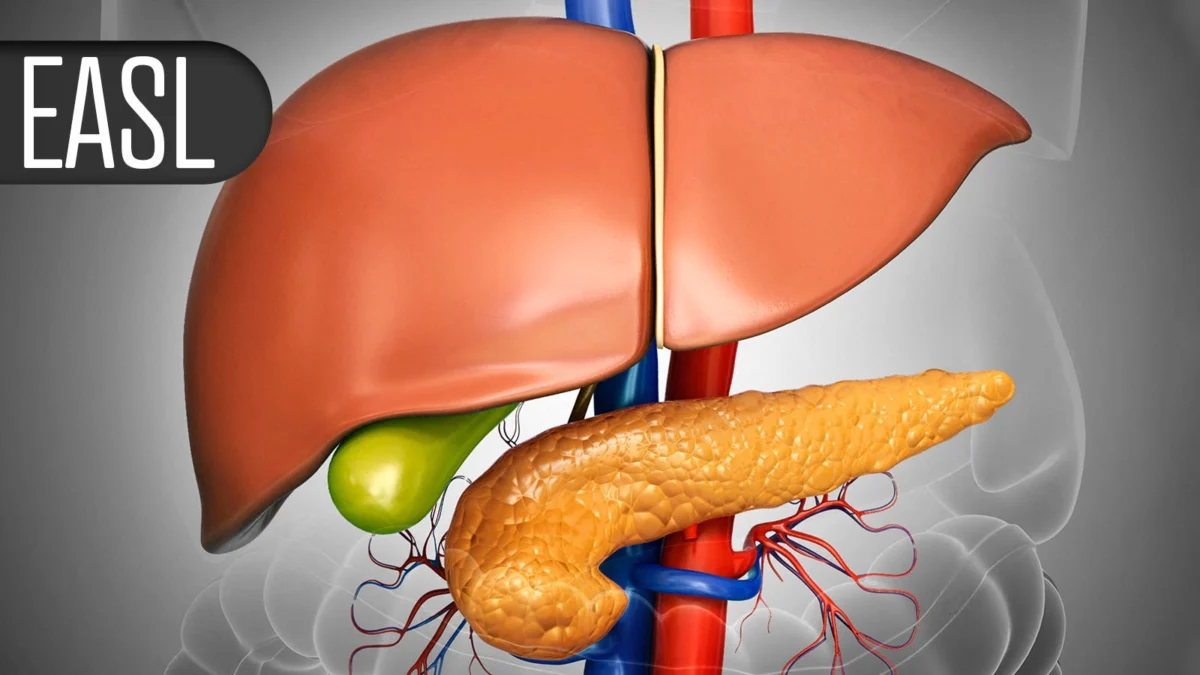
In a significant development for the field of hepatology, the results of the phase III EPICS-III randomized clinical trial have unveiled a potential new standard of care for patients struggling with Primary Biliary Cholangitis (PBC). The study, presented at the European Association for the Study of the Liver (EASL) annual meeting in Barcelona, highlights the efficacy of the novel oral medication saroglitazar.
For the millions of patients worldwide suffering from this progressive autoimmune condition, the current therapeutic landscape has been limited. With many failing to respond to—or unable to tolerate—the existing first-line therapy, ursodeoxycholic acid (UDCA), the medical community has been in urgent need of an alternative. Saroglitazar, a dual peroxisome proliferator-activated receptor (PPAR) agonist, may provide the breakthrough many have been waiting for.
Main Facts: A New Frontier in PBC Management
Primary Biliary Cholangitis is a chronic, often debilitating autoimmune disease characterized by the progressive destruction of the bile ducts within the liver. As bile accumulates, it triggers a cascade of inflammation, fibrosis, and ultimately, cirrhosis, significantly impairing liver function and quality of life.
The EPICS-III trial focused on a critical subset of this population: those who have not achieved adequate disease control using UDCA. The study enrolled 148 adults from clinical sites across the United States, Argentina, Iceland, and Turkey. These participants were defined by an alkaline phosphatase (ALP) level of at least 1.67 times the upper limit of normal (ULN) despite at least 12 months of UDCA therapy, or an intolerance to the drug.
The results were striking: 56.7% of patients treated with 1-mg oral saroglitazar achieved a biochemical response at 52 weeks, compared to just 9.8% in the placebo group. This response was defined by a stringent set of criteria: ALP levels below 1.67 times the ULN, a minimum 15% decrease in ALP from baseline, and total bilirubin levels within the normal range. These findings suggest that saroglitazar acts as a potent regulator of liver health, offering hope for patients who have exhausted traditional options.
Chronology: The Path to EPICS-III
The development of saroglitazar as a therapeutic candidate for PBC follows years of exploration into PPAR agonism as a mechanism for metabolic and inflammatory regulation.
Pre-Trial Rationale
Before the EPICS-III phase III trial, saroglitazar had already gained attention for its potential applications in managing dyslipidemia in patients with type 2 diabetes and various liver conditions. Given its unique dual PPAR alpha/gamma agonism, researchers hypothesized that it could address the specific biochemical markers of PBC—most notably elevated ALP, which is a major prognostic indicator for the disease.
Trial Enrollment and Baseline Characteristics
The EPICS-III trial was designed with a 2:1 randomization ratio, meaning for every one patient on placebo, two received the active drug. The demographics of the study participants underscored the reality of the condition: the median age was 56 years in the treatment group and 55 in the placebo group, with a female-predominant cohort (approximately 90% female).
The trial’s recruitment phase ensured a representative sample of "difficult-to-treat" patients. The mean duration of PBC was approximately eight years, and the mean duration of prior UDCA therapy was over six years. By the time of enrollment, the average ALP levels in the treatment group were 363.0 U/L, highlighting the severity of the disease in this cohort.
The 52-Week Journey
The trial commenced with daily 1-mg doses of saroglitazar. Monitoring occurred at regular intervals, allowing researchers to track the speed of therapeutic response. By week 8, the divide between the two groups was already evident: 54.8% of the saroglitazar group had achieved a biochemical response, compared to only 2% in the placebo group. This sustained success through the one-year mark solidified the drug’s profile as a rapid-acting and durable intervention.
Supporting Data: Diving into the Numbers
The success of saroglitazar was not limited to the primary endpoint. A deeper look at the statistical data reveals consistent benefits across multiple parameters.
ALP Normalization and Subgroup Analysis
One of the most compelling findings was the rate of ALP normalization. While 8.2% of patients in the saroglitazar group achieved total normalization of ALP levels by week 52, the placebo group achieved 0%.
Furthermore, researchers conducted a subgroup analysis on patients with baseline ALP levels no more than three times the ULN. In this group, the biochemical response rate for saroglitazar soared to 83.1% compared to 14.7% for placebo. While this specific comparison did not reach statistical significance, the magnitude of the difference provides a strong signal for clinical efficacy.
Safety and Tolerability
For any new treatment, safety is paramount. The study reported that treatment-emergent adverse events (TEAEs) occurred in 81.1% of saroglitazar patients and 90.5% of placebo patients. Importantly, the drug showed no signs of serious drug-induced liver injury or violations of Hy’s law, which are critical metrics in hepatology.
Common side effects included:
- Pruritus (Itching): 22.5% in the saroglitazar group vs. 33.3% in the placebo group.
- Headache: 15.3% vs. 11.1%.
- Hypertension: 11.7% vs. 1.6%.
While hypertension occurred more frequently in the treatment arm, it did not significantly impact the overall safety profile or the study’s dropout rate, which remained low (4.5% for saroglitazar vs. 3.2% for placebo). The occurrence of fractures and weight gain was monitored closely, with rates appearing comparable between the two groups, further supporting the drug’s potential for long-term use.
Official Responses and Clinical Implications
Raj Vuppalanchi, MBBS, of Indiana University, who led the presentation of the data, emphasized the clinical significance of the results. "Saroglitazar represents a novel and efficacious dual PPAR therapy in individuals with PBC who had an inadequate response or intolerance to ursodeoxycholic acid," Vuppalanchi noted. He specifically highlighted the drug’s 1-mg daily dose and its excellent safety profile as key factors that make it an "attractive treatment option."
Addressing the "Difficult-to-Treat" Population
A notable aspect of the EPICS-III trial was the inclusion of a high proportion of Hispanic patients, who represented nearly 40% of the cohort. Vuppalanchi observed that this population, which had been living with the disease for a long time and remained resistant to UDCA, likely represented a particularly "difficult-to-treat" demographic. The fact that saroglitazar showed efficacy in this group is a testament to its potency.
Regulatory Outlook
The implications for the medical field are significant. The FDA has already granted saroglitazar’s New Drug Application (NDA) a Priority Review designation. With a regulatory decision expected by November 27, 2026, the medical community is bracing for the potential arrival of a new, potent tool in the fight against PBC.
The Broader Impact
If approved, saroglitazar would fill a massive gap in the current treatment paradigm. Currently, about 40% of PBC patients do not respond adequately to UDCA, and an additional 5–10% cannot tolerate it at all. These patients are currently at higher risk for disease progression, including the development of jaundice, variceal bleeding, and the need for liver transplantation.
By targeting the dual PPAR pathway, saroglitazar does more than just lower ALP; it offers a comprehensive metabolic approach to liver health. As researchers continue to explore the drug’s potential in other areas, such as dyslipidemia and other chronic liver conditions, it is clear that saroglitazar is positioned to become a cornerstone of future hepatology research and practice.
The EPICS-III trial serves as a reminder that through rigorous clinical research, we can continue to advance the standard of care for complex, chronic autoimmune conditions. For the patient with PBC, the path ahead looks significantly brighter than it did just a few years ago.