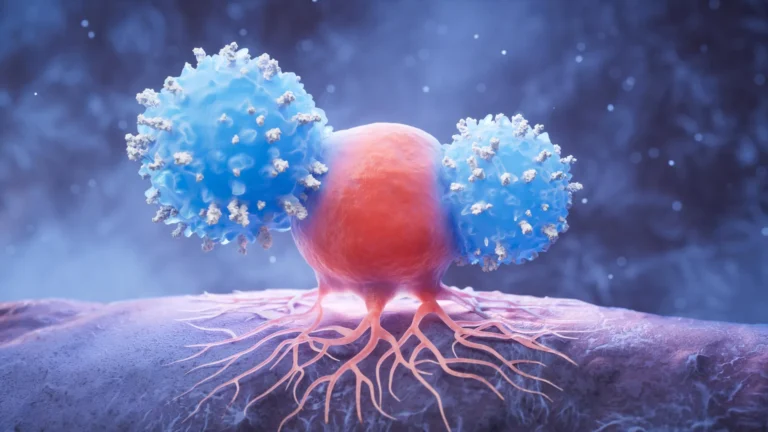
A groundbreaking study conducted by researchers at the Massachusetts Institute of Technology (MIT) has unveiled a troubling reality regarding environmental health: a common, pervasive carcinogen appears to pose a significantly higher risk to children than to adults. The research, published in the journal Nature Communications, centers on N-Nitrosodimethylamine (NDMA), a toxic compound frequently found in industrial runoff, contaminated drinking water, and even certain medications.
The findings challenge the long-standing status quo of toxicological safety testing, which has historically relied on adult models to gauge the potential hazards of chemicals. By demonstrating that the developing bodies of the young are uniquely susceptible to the compound, the MIT team has provided a scientific framework for understanding previously inexplicable cancer clusters in residential areas.
The Core Discovery: Why Age Matters
The study, led by MIT postdoctoral fellow Lindsay Volk and senior author Bevin Engelward, a professor of biological engineering, found that juvenile mice exposed to NDMA developed substantially higher rates of DNA damage and cancer compared to adult mice subjected to the exact same dosage.
While both groups of mice—three-week-old juveniles and six-month-old adults—initially exhibited similar levels of chemical "adducts" (the direct attachment of the carcinogen to DNA), the downstream biological outcomes were starkly different. In adult mice, the DNA damage was largely repaired without significant consequence. In juvenile mice, however, the damage triggered a cascade of double-stranded DNA breaks. These breaks, which occur during the cells’ attempts to repair the initial lesions, effectively lock in mutations, providing the genetic foundation for tumor development.
A History of Contamination: The Wilmington Connection
The urgency of this research is underscored by the tragic historical precedent set in Wilmington, Massachusetts. In the 1990s, residents of this town discovered that their drinking water had been heavily contaminated with NDMA, primarily due to industrial pollution originating from the Olin Chemical site.
Chronology of the Wilmington Crisis
- 1990–2000: A period of significant concern, during which 22 children in the Wilmington area were diagnosed with various forms of cancer.
- 2003: Following mounting public pressure and emerging health data, the contaminated wells in Wilmington were permanently decommissioned.
- 2021: A landmark report from the Massachusetts Department of Health revisited the area, suggesting a statistical correlation between the historical water contamination and the elevated childhood cancer rates observed decades earlier.
This study serves as a retrospective validation of those concerns, offering a biological explanation for why the youngest residents were the most profoundly affected.
Mechanisms of Toxicity: How NDMA Hijacks Biology
To understand the heightened risk, the MIT team investigated the metabolic pathways of NDMA. Once ingested, the compound is processed in the liver by an enzyme known as CYP2E1. This process yields hazardous byproducts that chemically bind to DNA.
The study revealed that the primary factor determining whether this damage leads to cancer is the rate of cell division.
The Proliferation Factor
In young, growing organisms, cells divide rapidly to facilitate growth and development. This rapid replication cycle is a double-edged sword: while it is necessary for life, it leaves little time for complex DNA repair mechanisms to fix chemical adducts before the cell splits. When a cell divides while damaged, the error is replicated, becoming a permanent mutation.
In contrast, adult liver cells are relatively quiescent. They divide far less frequently, providing a larger window for the cell’s internal machinery to identify and correct errors. "With toxicological studies, oftentimes the standard is to use fully grown mice," says Dr. Volk. "At that point, they’re already slowing down cell division, so if we are testing the harmful effects of NDMA in adult mice, we’re completely missing how vulnerable particular groups are."
Expanding the Scope: Beyond the Liver
While the liver is the primary site of NDMA processing and subsequent damage, the study’s scope expanded into systemic risk. Researchers observed that in some cases, the damage extended beyond the liver, resulting in the development of lymphomas and lung cancers in the juvenile subjects.
Furthermore, the team experimented with hormonal intervention to prove their hypothesis. When they treated adult mice with thyroid hormones—which artificially stimulate liver cell division—the adults began to exhibit the same high rates of mutation seen in the juveniles. This finding confirms that the risk is not exclusively tied to chronological age, but rather to the cellular proliferation rate.
Implications for Public Health and Regulatory Policy
The implications of this research are far-reaching, calling into question the efficacy of current environmental and pharmaceutical safety protocols.
A Shift in Safety Paradigms
Professor Bevin Engelward argues that the "standard" for testing needs an immediate overhaul. "We really hope that groups that do safety testing will change their paradigm and start looking at young animals," she states. "As a solution to cancer, cancer prevention is clearly much better than cancer treatment."
If regulators continue to rely solely on adult models, they may inadvertently approve substances that are safe for a 40-year-old but carcinogenic to a child. The MIT team’s work suggests that "safety" is a dynamic metric, shifting based on life stage, metabolic health, and environmental stressors.
The Vulnerability of Adults
It is critical to note that the study does not suggest adults are immune to NDMA. While the baseline risk is lower, the researchers emphasized that external factors can induce cellular stress in adults, making them vulnerable. Factors such as:
- Chronic inflammation (often caused by poor diet or metabolic syndrome)
- Viral infections
- Heavy alcohol consumption
- High-fat diets
These factors can stimulate cell division in the liver, effectively "resetting" the biological clock of the tissue to a more vulnerable state. The research team is currently investigating how a high-fat diet might specifically exacerbate the cancer risk posed by NDMA in mice, providing a potential roadmap for how lifestyle choices intersect with environmental exposure.
Broader Environmental Concerns
NDMA is not merely an industrial legacy of the 1990s; it remains a contemporary challenge. It is a known byproduct of modern industrial processes and has been detected in cigarette smoke, processed meats, and various pharmaceuticals, including versions of metformin, ranitidine, and valsartan.
The fact that this substance is found in common medications used by both adults and children underscores the urgency of the MIT study. If the pharmacological industry and environmental protection agencies do not account for the high rate of cell division in pediatric populations, they risk repeating the errors of the past.
Conclusion: A Call for Proactive Science
The research conducted by the MIT team, supported by the National Institutes of Environmental and Health Sciences (NIEHS) and other prestigious bodies, marks a turning point in toxicology. By shifting the focus from "average" adult subjects to the more sensitive, high-growth juvenile populations, the scientific community can better predict the true risk profile of the chemicals that surround us.
As the team continues their investigation into the links between diet, inflammation, and carcinogenesis, their work serves as a sobering reminder: the health of the next generation depends on our ability to look past the standard models and confront the nuanced, age-specific realities of environmental health. Prevention, as the researchers stress, remains our most potent tool in the fight against cancer. By spotting the danger before the first exposure, we can save lives—one child at a time.