







Published: June 2, 2026
In the modern era, the human body is frequently subjected to the "sitting epidemic." From long hours at ergonomic workstations to extended commutes in sedentary positions, our contemporary lifestyles are paradoxically characterized by high levels of mental activity and extreme physical stagnation. This dichotomy often manifests in a common, chronic physical ailment: tight hips.
As we navigate the stresses of 2026, the accumulation of habitual tension in the pelvic girdle has become a focal point for physical therapists, orthopedic specialists, and wellness practitioners alike. While conventional fitness often focuses on dynamic movement, a specialized approach—Yin Yoga—is gaining traction as the gold standard for long-term myofascial release. By prioritizing extended, passive holds, practitioners can access the deep connective tissues that standard exercise often ignores.
The Physiology of the "Sitting Epidemic"
The hip joint, a complex ball-and-socket structure, is designed for a vast range of motion, including flexion, extension, abduction, adduction, and internal/external rotation. However, the human musculoskeletal system is highly adaptive. When we spend eight to ten hours a day in a seated position, the hip flexors (specifically the psoas and iliacus) remain in a shortened state. Over time, these muscles lose their elasticity, and the surrounding fascia—the connective tissue that envelopes muscles—begins to thicken and tighten.
The implications of this tightness extend far beyond the hips. Because the pelvis serves as the body’s center of gravity, restricted movement here often forces the lower back (lumbar spine) to compensate, frequently leading to chronic lower back pain, sciatica, and gait imbalances. Yin Yoga addresses these structural issues by applying a gentle, consistent load to the connective tissues, signaling the body to increase hydration and pliability in the fascia.
The Yin Philosophy: Chronology of a Practice
Unlike "Yang" forms of exercise—such as Vinyasa flow, running, or weightlifting—which focus on heating the muscles and increasing cardiovascular output, Yin Yoga is a practice of subtraction. It is a slow, meditative discipline that requires a shift in mindset.
The Protocol for Release
To effectively stimulate the deep tissues, practitioners must adhere to a specific chronological progression during their practice:
- Finding the Edge: The "edge" is the point of initial resistance. It is not the point of maximum stretch, but rather the point where you feel a distinct sensation of tension.
- Stillness: Once the edge is established, movement must cease. Stillness is the primary mechanism that prevents muscle guarding, allowing the deeper layers of fascia to yield.
- Time-Based Release: The duration is critical. Yin poses are typically held for three to five minutes. This timeframe is scientifically significant because the deep connective tissues do not respond to short, sharp bursts of tension; they require sustained, low-level stress to trigger a release.
- Rebound: After each pose, the transition back to a neutral state is as important as the pose itself. The "rebound" period allows the body to integrate the changes and encourages blood flow to return to the areas that were compressed.
5 Essential Yin Yoga Poses for Hip Mobility
To integrate this practice into your weekly routine, experts recommend the following sequence. For those with limited mobility, have yoga blocks, a bolster, or a folded blanket within arm’s reach to ensure the joints remain supported rather than strained.
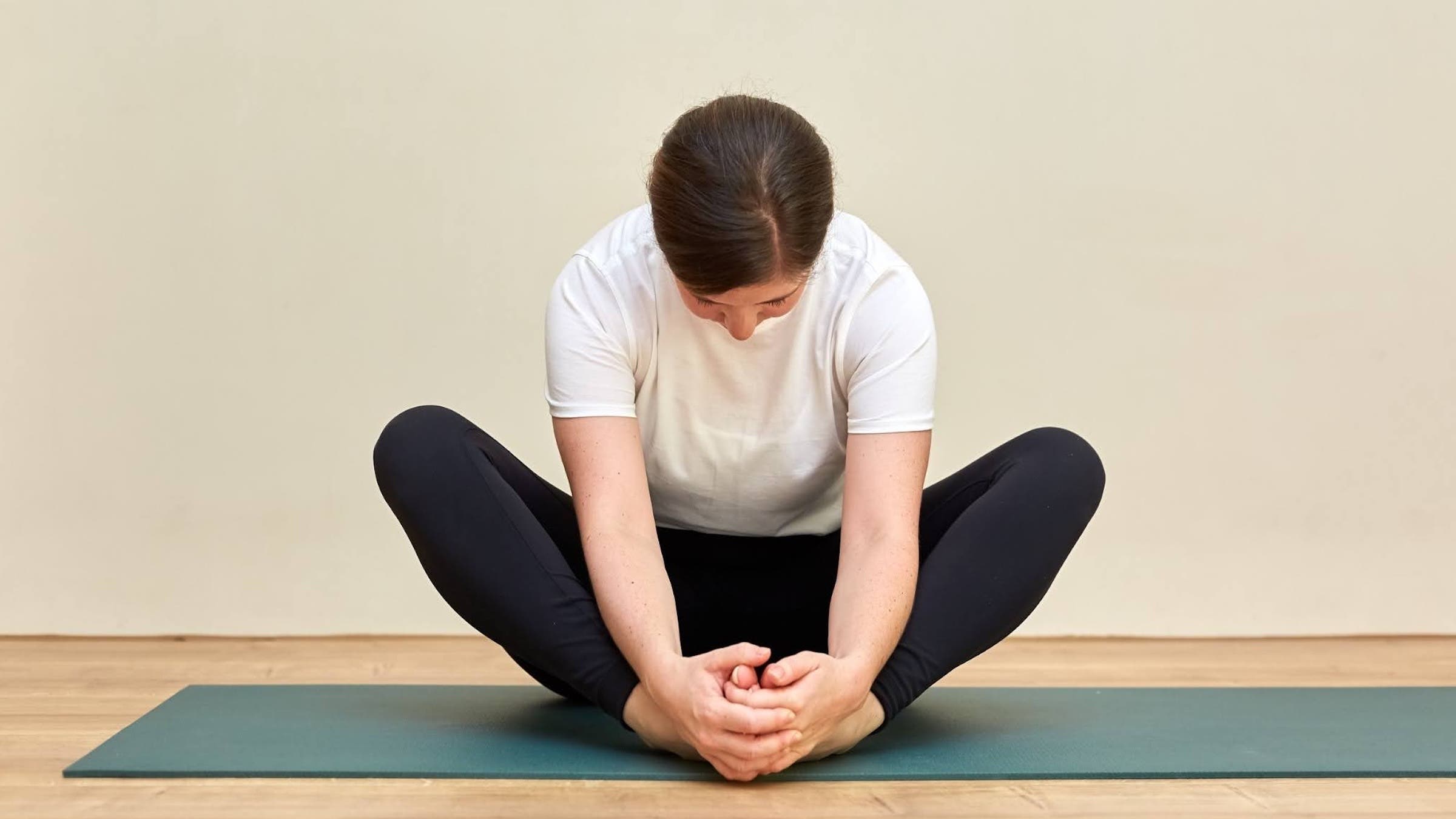
1. Butterfly Pose (Baddha Konasana)
Butterfly Pose targets the adductor group of the inner thighs. By bringing the soles of the feet together and allowing the knees to fall outward, you initiate gentle external rotation and flexion.
- The Technique: Sit on your mat with the soles of your feet together. To adjust the intensity, slide your feet further away from your pelvis to reduce the stretch. Fold forward only until you reach your first point of resistance.
- Modification: If your lower back rounds excessively, place a block under your sit bones to tilt the pelvis forward.
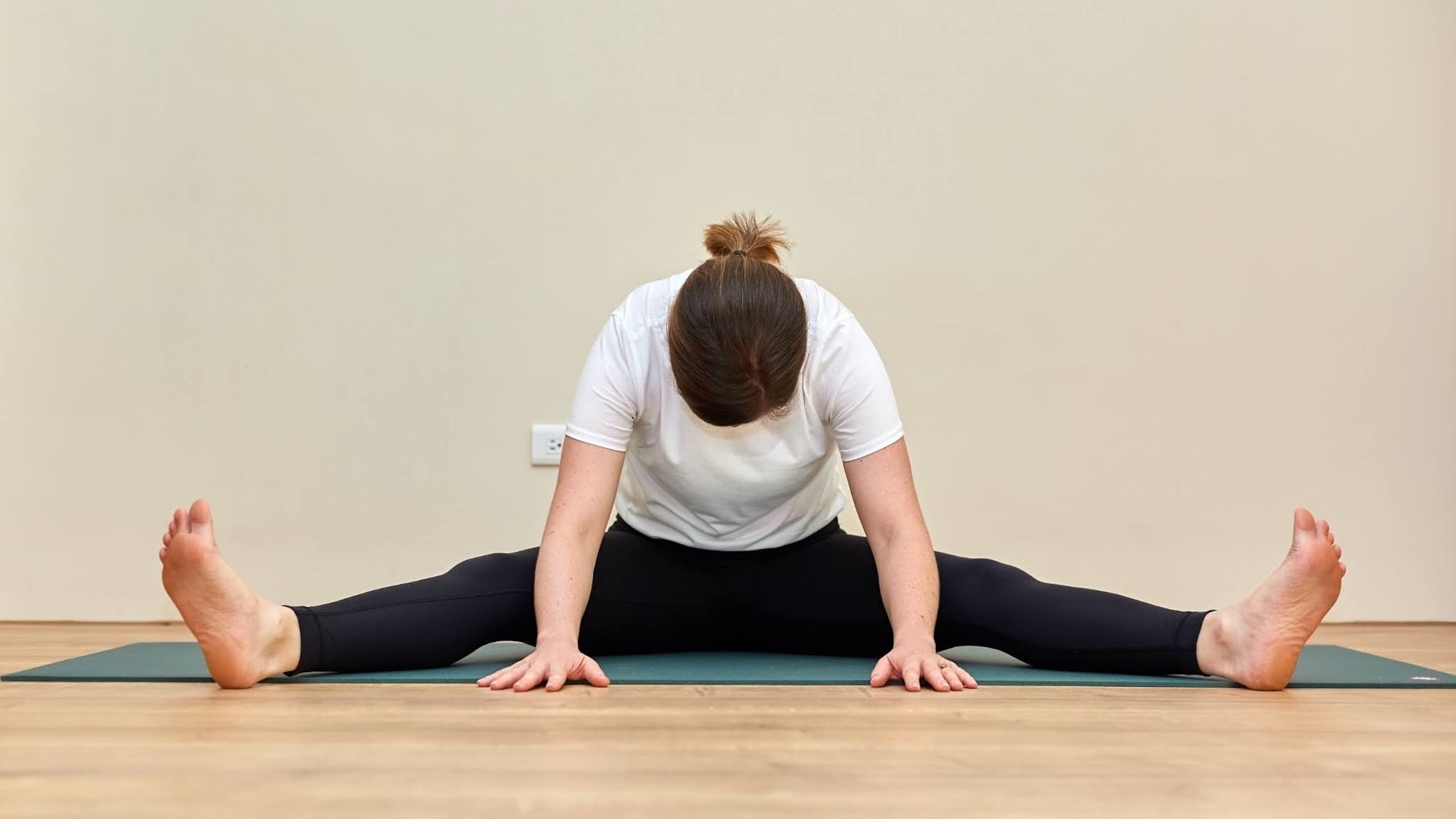
2. Dragonfly Pose (Upavistha Konasana)
Dragonfly is an abduction-heavy pose that targets the hamstrings and the inner line of the legs. It is particularly effective for those who experience tightness along the medial thigh.
- The Technique: From a seated position, extend your legs as wide as comfortably possible. Maintain a long spine as you hinge forward. If your floor feels too far away, use blocks to support your forearms.
- Modification: If you feel discomfort in your knees, maintain a micro-bend or place a bolster under the knees to prevent hyperextension.
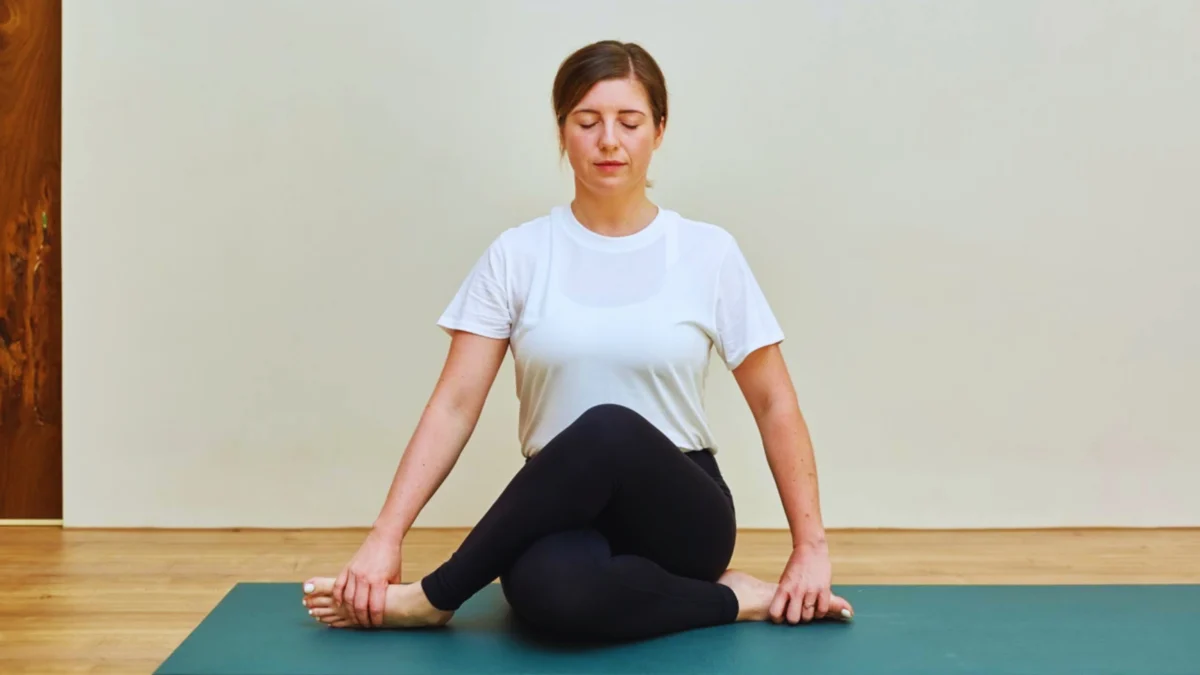
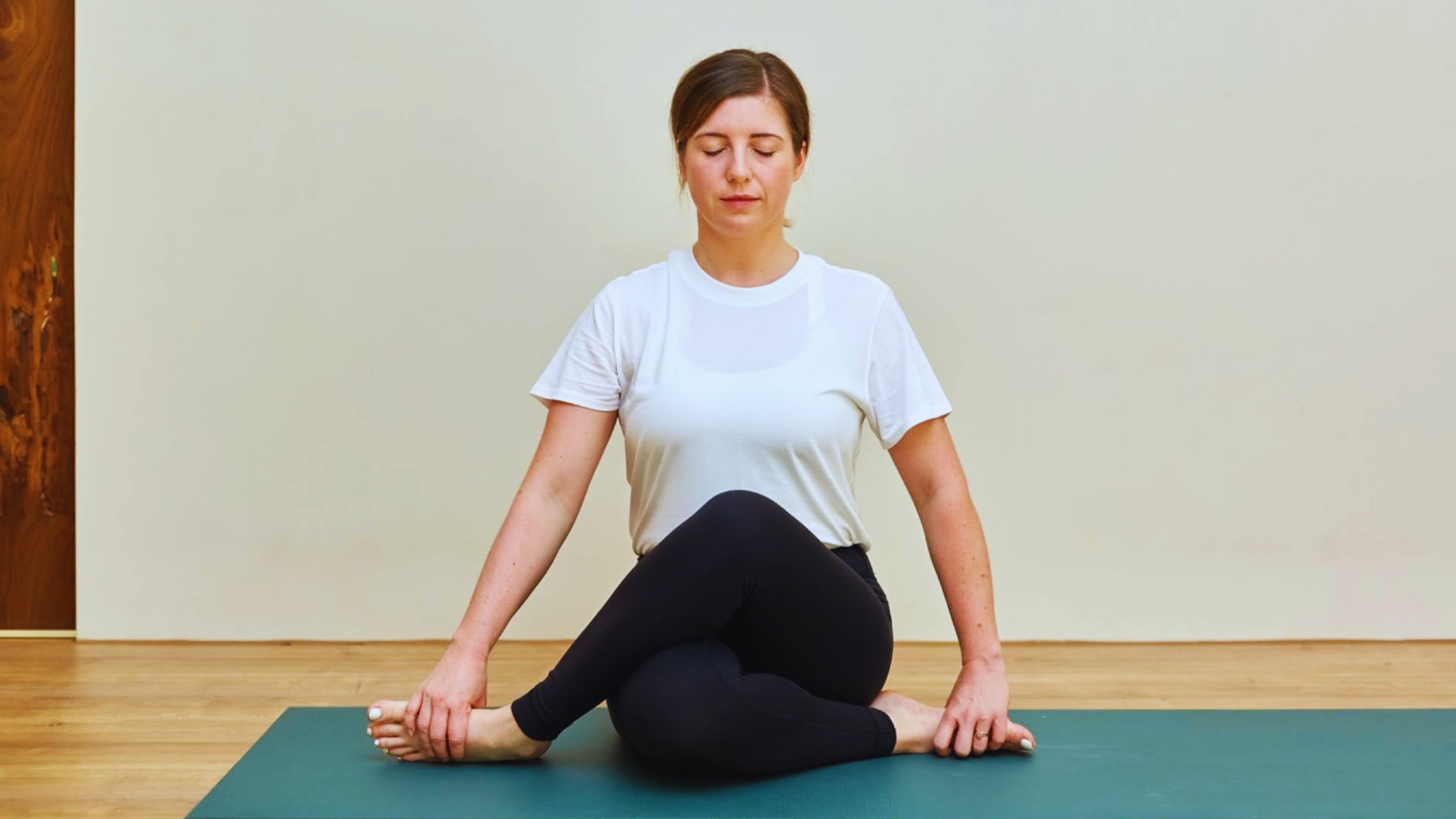
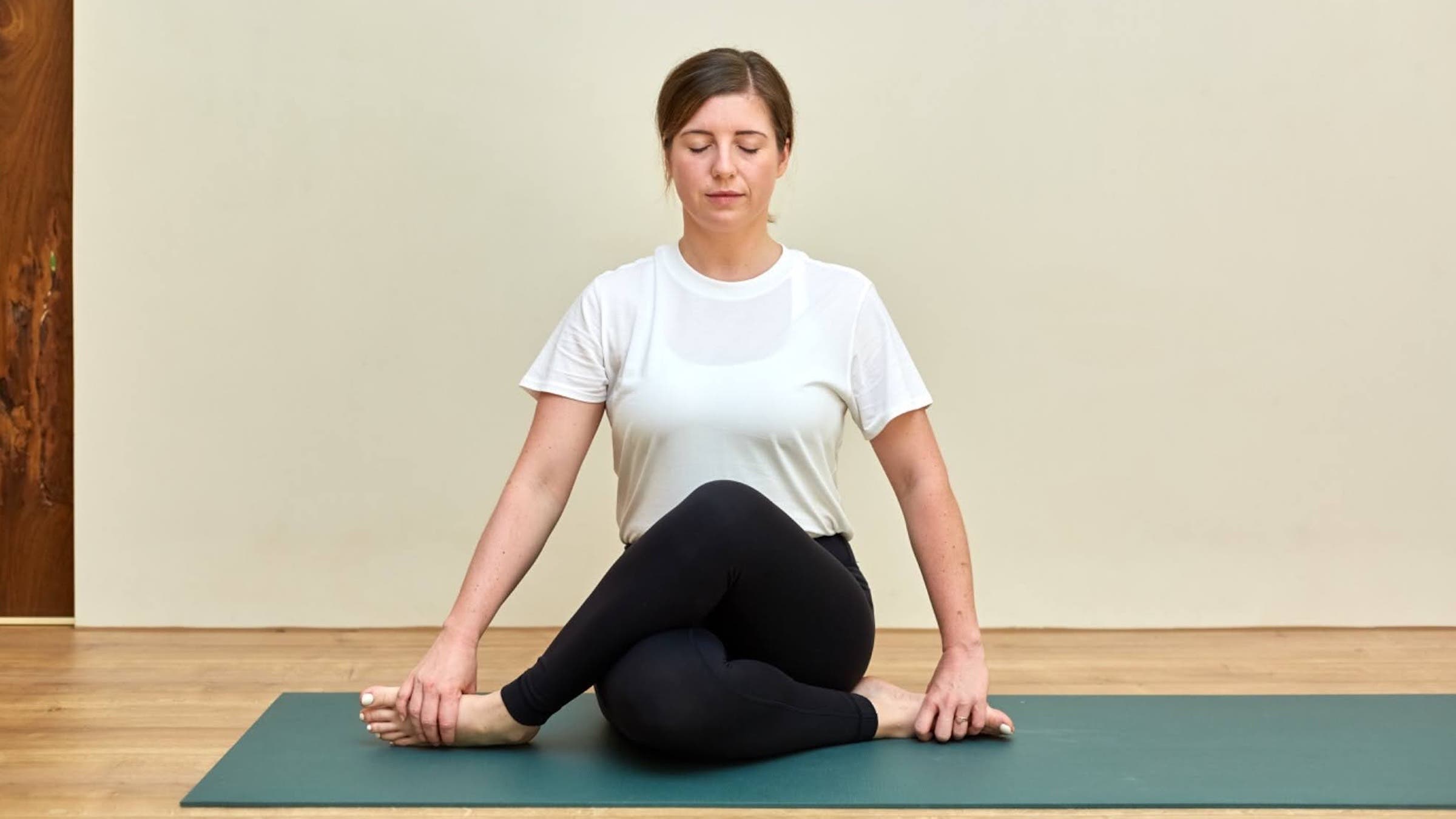
3. Shoelace Pose (Gomukhasana variation)
This pose is a powerhouse for the gluteal muscles and the outer hip rotators. It mimics the alignment of a shoelace knot, stacking the knees to create deep adduction.
- The Technique: Cross your right leg over your left, bringing the right foot toward the left hip. Keep the sit bones grounded. If you are comfortable, you may fold forward over the top leg to intensify the sensation in the outer hip.
- Modification: If the hips are tight, sitting on a firm cushion can elevate the pelvis, allowing for better alignment of the hip joint.
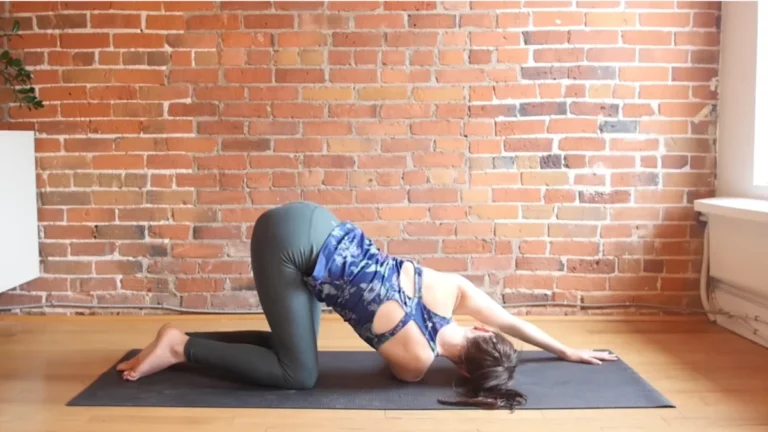
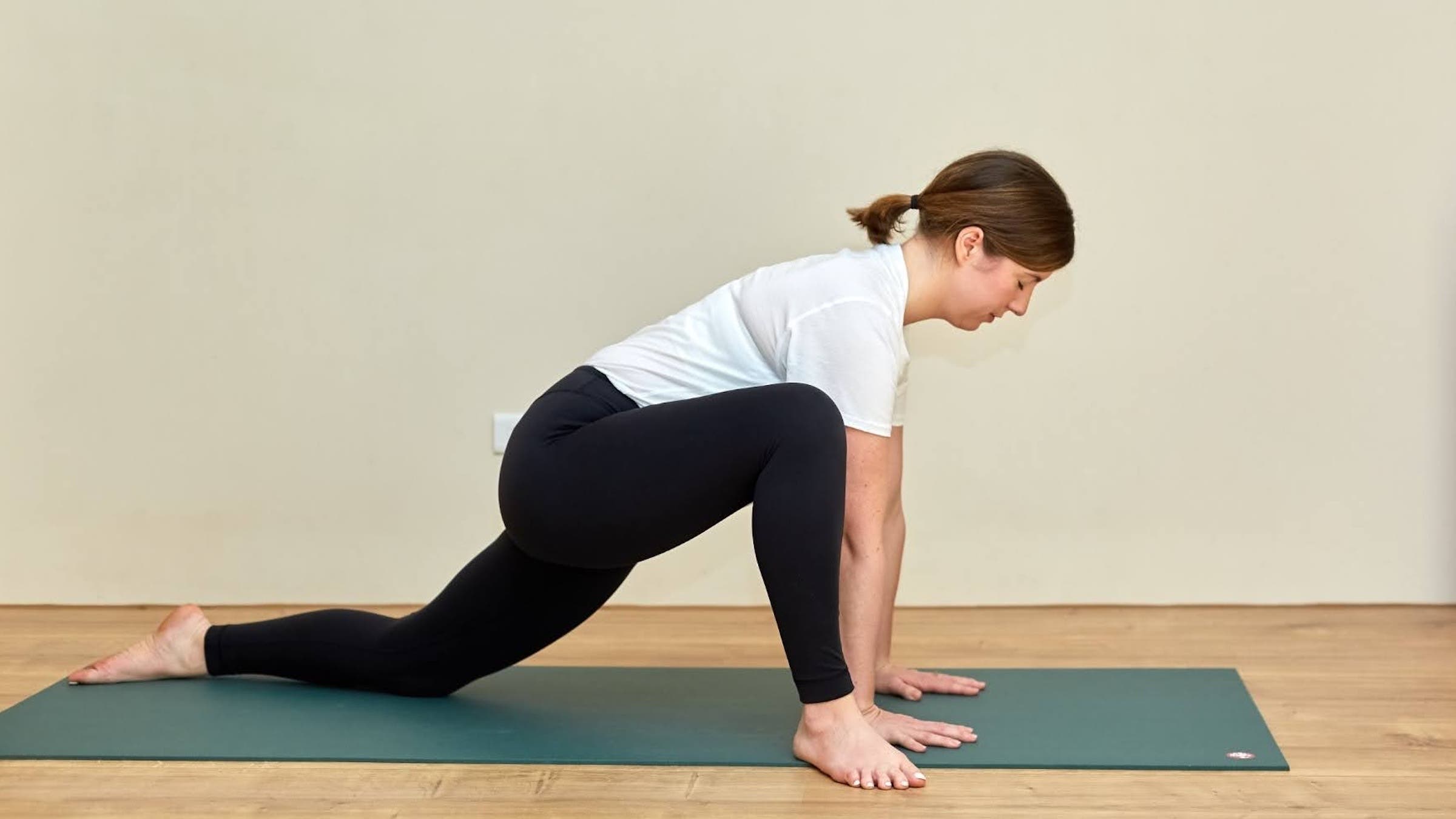
4. Dragon Pose (Anjaneyasana variation)
Dragon Pose is the definitive Yin remedy for the "sitting" lifestyle, as it actively stretches the hip flexors in the back leg while deeply flexing the hip of the front leg.
- The Technique: Step one foot forward to the outside of your hand. Lower the back knee to the floor. Ensure the front knee is tracking safely over the ankle.
- Modification: Use blocks under your hands to create a more stable, upright torso, or place a blanket under the back knee for cushioning.
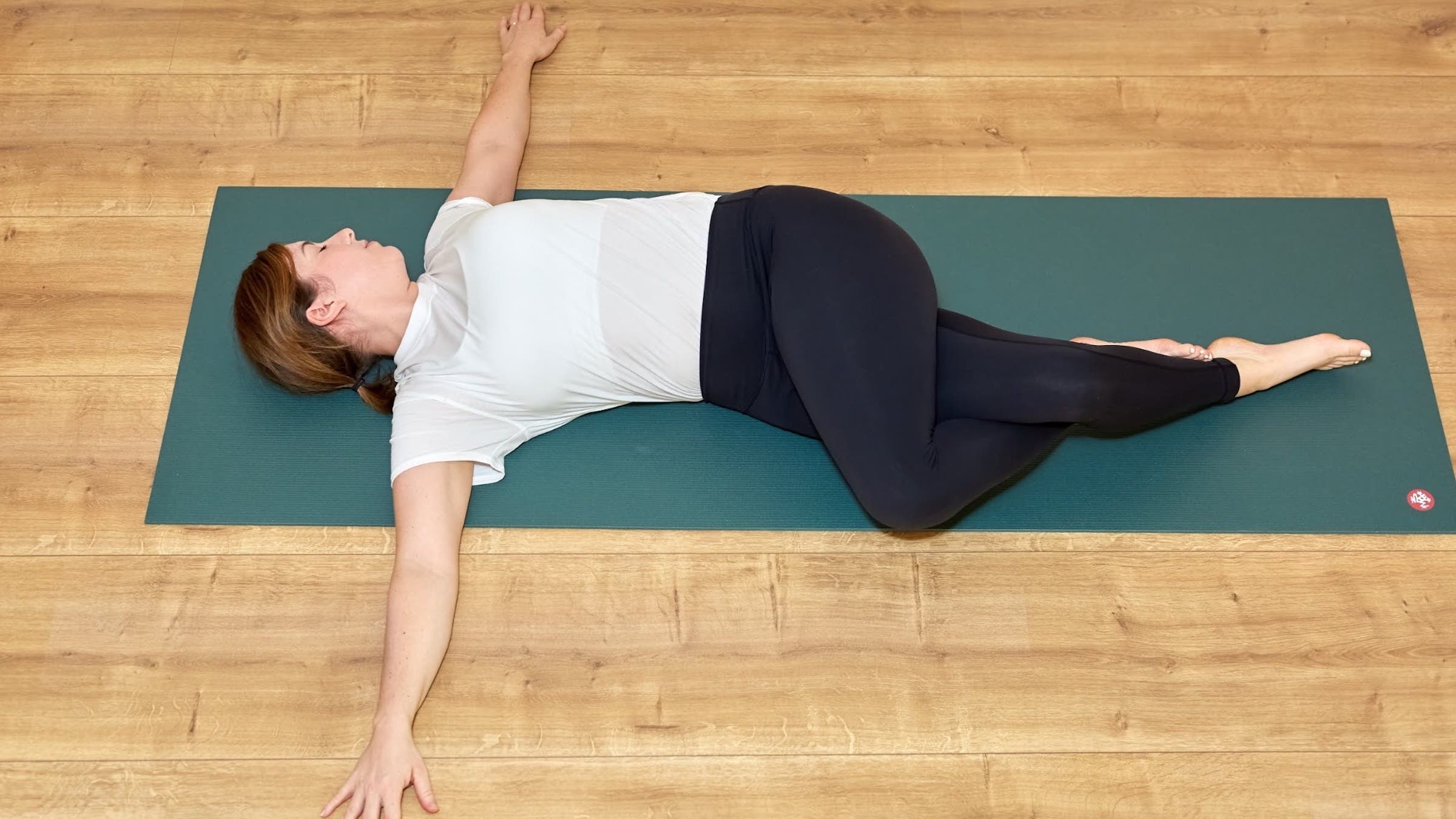
5. Twisted Roots
Internal rotation is often the most neglected movement in the hip joint. Twisted Roots provides a reclined, supported way to access this range of motion.
- The Technique: Lie on your back and cross your right thigh over your left, as if sitting in a chair. Gently allow both knees to fall to the right. Keep both shoulders firmly planted on the mat to ensure the twist originates in the hips and mid-back.
- Modification: Place a bolster between your knees to prevent the top leg from pulling on the lower back.
Expert Insights and Implications
We reached out to movement specialists to understand the long-term implications of consistent Yin practice. According to clinical kinesiologists, the benefits are two-fold: structural and neurological.
"When we hold these poses, we aren’t just stretching muscle," says a leading consultant in orthopedic yoga therapy. "We are stimulating the nervous system to shift from a sympathetic (fight-or-flight) state to a parasympathetic (rest-and-digest) state. When the nervous system realizes it is safe in these deep stretches, it downregulates the tension in the surrounding musculature. This is why many people report feeling a ‘mental release’ alongside the physical one."
The implications of this are significant for anyone working in high-stress environments. By addressing the physical manifestations of stress—the "armoring" of the hips—individuals can reduce their overall systemic cortisol levels.
Integration: The Corpse Pose (Savasana)
No Yin practice is complete without a concluding period of stillness. Corpse Pose is not merely a "nap" at the end of a session; it is an essential component of the practice known as integration.
After 15 to 25 minutes of deep, connective tissue work, your body requires a moment to reset its internal feedback loops. Lie flat, let the legs fall open naturally, and release all control of your breath. Allow the blood to circulate freely through the tissues you have just opened.
When you are ready to conclude, do so with intention. Roll to your side, pause, and rise slowly. By dedicating even 20 minutes to this practice two to three times a week, you are not just "stretching"; you are actively countering the sedentary habits that define our modern age. You are investing in your mobility, your longevity, and your ability to carry the weight of a busy life with ease.