






As the human body ages, it undergoes a profound and often invisible transformation. Beyond the visible signs of graying hair or fine lines, a significant redistribution of body composition takes place beneath the surface. For decades, medical science has struggled to address the shifting landscape of fat storage that occurs in later life—a phenomenon that does more than change one’s silhouette; it fundamentally alters metabolic health and long-term vitality.
Recent research conducted by the University of Connecticut’s College of Agriculture, Health and Natural Resources (CAHNR) is now shedding light on this process, suggesting that targeted hormonal intervention, when paired with exercise, may be the key to combating the accumulation of "dangerous" fat in older populations.
Understanding the Anatomy of Fat: Subcutaneous vs. Visceral
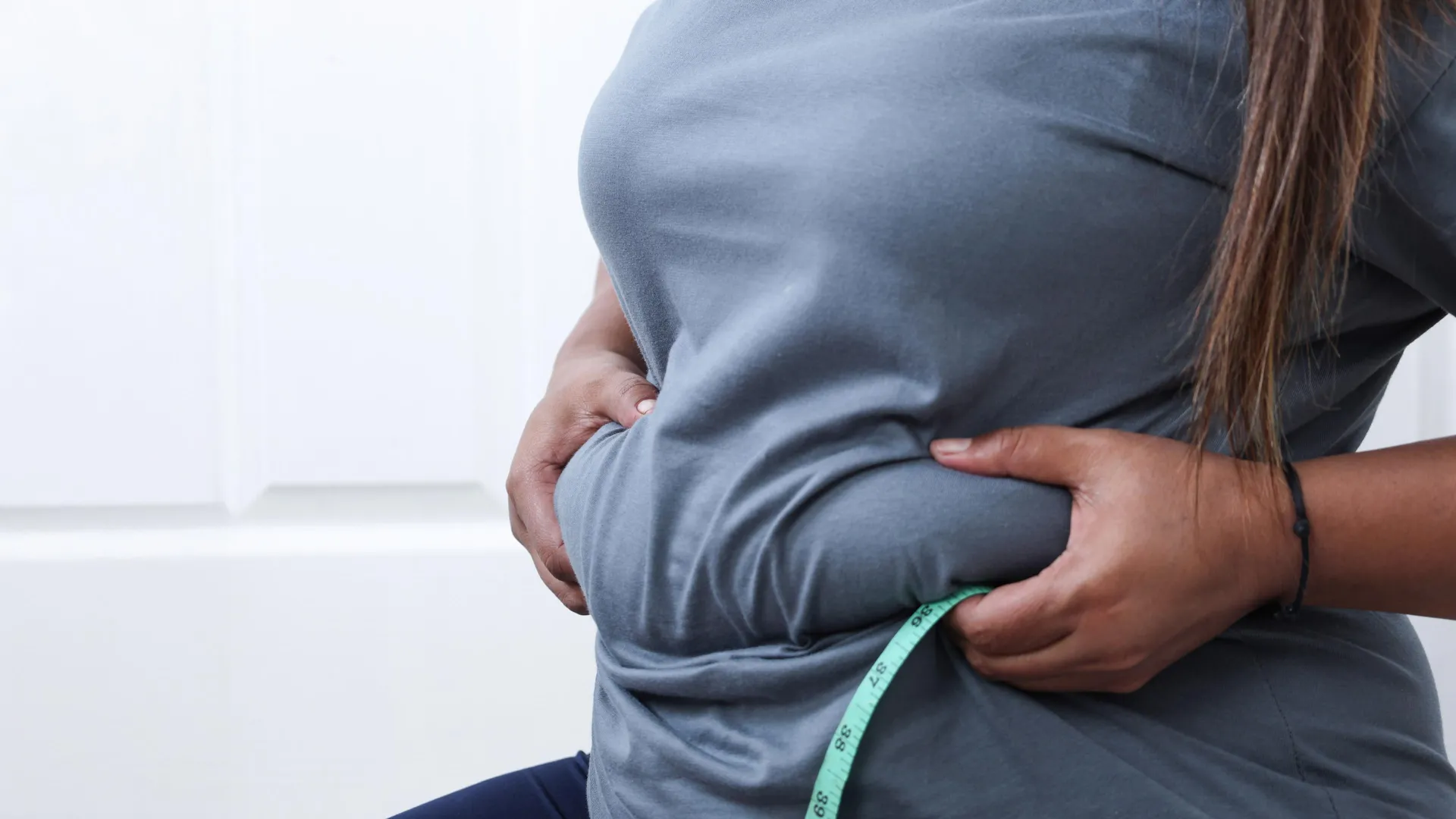
To appreciate the gravity of these findings, one must first distinguish between the two primary types of fat storage in the human body. The vast majority of body fat is subcutaneous, residing just beneath the skin. While often a target for cosmetic concern, subcutaneous fat is generally benign and, in healthy amounts, serves as a vital energy reserve and an insulator for the body.
In stark contrast lies visceral fat. This fat accumulates deep within the abdominal cavity, wrapping itself around critical internal organs such as the liver, pancreas, and intestines. Unlike subcutaneous fat, visceral fat is metabolically active and highly inflammatory. It functions almost like an endocrine organ, releasing chemicals and hormones that interfere with the body’s normal functions. This "hidden" fat has been definitively linked to an increased risk of type 2 diabetes, cardiovascular disease, metabolic syndrome, and systemic inflammation.
As individuals enter their senior years, the body begins a natural but often unhealthy redistribution process, shifting fat stores away from the limbs and surface layers toward the visceral compartment. This transition is not merely a byproduct of lifestyle; it is a complex physiological shift governed by hormonal fluctuations.
The Hormonal Driver: Testosterone’s Role in Fat Distribution
At the heart of this metabolic migration are sex hormones. Jacob Earp, an assistant professor of kinesiology at CAHNR, notes that the aging process involves a significant "unhealthy redistribution of fat from the more innocuous regions into the visceral compartment."
"There is a direct link between sex hormones and fat distribution throughout the body," Earp explains. As levels of testosterone—which, while often associated with male biology, is essential for metabolic health in both sexes—decline with age, the body loses one of its primary defenses against visceral fat accumulation.
Traditional medical advice for those looking to manage their weight often relies on "blanket" calorie reduction or generic exercise programs. However, these approaches are increasingly being criticized for their lack of nuance when applied to the elderly. When an older adult attempts to lose weight through aggressive dieting alone, they often suffer from significant sarcopenia—the loss of muscle mass. Maintaining muscle is arguably the most critical factor in preserving functional independence as we age. Losing muscle weight alongside fat is a trade-off that often leaves the body more frail and prone to further injury.
Chronology of a Breakthrough: The Clinical Trial
Recognizing the need for a more sophisticated approach, Earp spearheaded a clinical study, recently published in the journal Obesity Pillars, to investigate whether targeted testosterone supplementation could mitigate the harmful metabolic changes that follow a serious injury.
Phase 1: Identifying the Patient Population
The study focused on a vulnerable demographic: women over the age of 65 who were in the early stages of recovery from a hip fracture. Hip fractures represent a catastrophic health event for this population. Statistically, these injuries occur nearly three times more often in women than in men and serve as one of the leading drivers of lost independence. The post-fracture period is particularly perilous; the resulting loss of mobility triggers a sedentary cycle that leads to muscle atrophy and a rapid increase in visceral fat, further complicating recovery and increasing the risk of secondary injuries.
Phase 2: The Methodology
The research team followed 66 women for a six-month period. Upon enrollment, each participant underwent a Dual-energy X-ray Absorptiometry (DXA) scan—the gold standard for assessing body composition—to establish a baseline for their fat and muscle mass.
The study design was straightforward but rigorous. All participants were placed on a structured, supervised exercise program designed to maintain muscle strength and mobility. However, the cohort was split into two groups: one group received a topical testosterone gel, while the other acted as the control group.
Supporting Data: A Selective Reduction of Fat
The results of the six-month trial were both illuminating and unexpected. When researchers compared the follow-up DXA scans, they found that the overall body weight and total body fat levels remained largely consistent across both groups. On the surface, it appeared that the treatment had no effect.
However, the granular data told a different story.
The women who utilized the testosterone gel demonstrated a significant, targeted reduction in visceral fat. Conversely, the control group—those who underwent the exercise program without the hormonal intervention—exhibited the expected increase in visceral fat that typically accompanies the recovery phase of a hip fracture.
"If you have an injury and, just generally, as we age, we expect an increase in visceral fat," Earp notes. "This [study] really bucked that trend and caused selective reduction of fat in that visceral compartment."
This finding is significant because it suggests that the testosterone gel did not simply make the participants "lose weight" in a general sense; rather, it fundamentally altered the way their bodies stored and metabolized fat, effectively overriding the age-related and injury-related trend toward visceral accumulation.
Official Responses and Scientific Implications
The medical community has long sought interventions that improve metabolic health without the side effects of systemic weight-loss medications or the hazards of extreme dietary restriction. By focusing on the specific compartment of visceral fat, this study offers a potential roadmap for "precision geriatrics."
While the study is a breakthrough, researchers emphasize that this is not a panacea. The intervention was specifically designed to support recovery from a severe injury, and the use of testosterone must be carefully managed under strict medical supervision. The interaction between hormone replacement therapy and existing health conditions—such as cardiovascular history or hormone-sensitive conditions—remains a primary consideration for clinicians.
However, the implications for quality of life are profound. "These are devastating injuries that most women don’t ever recover from," says Earp. "In this case, any kind of intervention that can have a beneficial effect on health, you could potentially have a huge improvement in quality of life for the individual."
Future Directions: Redefining Healthy Aging
The success of the CAHNR study raises several questions about how we define "recovery." In the past, recovery from a hip fracture was measured by the ability to walk again. Today, the bar is being raised. Researchers are now looking at whether these interventions can improve metabolic health, immune function, and long-term survival rates.
The "testosterone-exercise" synergy observed in the study provides a compelling case for a multi-modal approach to aging. It moves beyond the idea that aging is a passive process of decline and suggests that, through targeted physiological support, the negative metabolic trends of later life can be delayed, arrested, or even reversed.
As the global population continues to age, the demand for therapies that protect both muscle mass and metabolic health will only increase. By treating the body not as a single mass to be reduced, but as a complex system of compartments to be balanced, science is moving closer to ensuring that the later years of life are not defined by the limitations of injury or metabolic decay, but by the strength and vitality required to maintain independence.
For the thousands of women who suffer hip fractures each year, these findings offer more than just a clinical statistic; they offer a window of opportunity to regain not just their mobility, but their metabolic integrity. As further research continues, the integration of hormonal support into rehabilitation protocols may well become the new standard of care in geriatric medicine.