








For those over the age of 55, the quest to trim the midsection often feels like an uphill battle against physiology. You may have spent countless hours in the gym, dutifully performing sets of crunches and sit-ups, only to find that the "belly overhang"—the stubborn fat and lax skin around the abdomen—remains stubbornly in place.
If this sounds familiar, you are not alone. The frustration of stagnant progress is a common narrative in midlife fitness, but the problem may not lie with your effort—it may lie with your methodology. Modern fitness science suggests that the traditional approach of isolated abdominal training is largely ineffective for fat loss. To address the midsection effectively after 55, we must pivot from floor-based isolation to functional, gravity-defying movement.
The Myth of Spot Reduction and the Science of Midsection Fat
The primary misconception in fitness is the concept of "spot reduction"—the belief that performing hundreds of crunches will burn fat specifically from the stomach. Research published in Physiological Reports has debunked this theory, confirming that our bodies do not choose where to pull energy from based on which muscle is working.
Instead, shedding abdominal fat requires a holistic approach that focuses on increasing total energy expenditure (TEP) while improving posture and core stability. As we age, our metabolic rate naturally slows, and the distribution of body fat shifts. Consequently, exercises that engage multiple muscle groups simultaneously—recruiting the core, glutes, hips, and legs all at once—provide a far superior "bang for your buck" than static, seated, or floor-based ab machines.
Why Standing Exercises Are the Gold Standard for Seniors
When you perform exercises while standing, you are working against gravity in a way that requires constant, unconscious engagement of the deep core stabilizers. Unlike lying on a mat, which provides a supportive surface, standing forces your body to stabilize your torso, protect your lower back, and maintain balance.
James Brady, a CPT at OriGym, emphasizes that these movements do more than just burn calories; they improve daily functionality. "Standing exercises recruit more muscle groups, particularly the hips and glutes, which act as the foundation for your core," Brady explains. By integrating these into a routine, you aren’t just targeting the appearance of your midsection; you are building the structural integrity needed to remain active and mobile in your later years.
The Chronology of Effective Core Training
To understand why we are shifting away from crunches, we must look at the evolution of fitness science.
- The 1980s and 90s: The fitness industry was dominated by isolation movements. Sit-ups and crunches were the "gold standard" for abdominal health, often leading to excessive strain on the lumbar spine and neck without addressing metabolic health.
- The 2000s to 2015: Trainers began to emphasize "core stability" over "abs," introducing planks and isometric holds. While safer for the back, these movements often failed to burn significant calories.
- The Current Era: The focus has shifted toward "functional movement." By combining strength, stability, and cardiovascular demand, experts are now prioritizing movements that mimic the demands of daily life, such as reaching, lifting, and walking—all of which occur in a standing position.
4 Essential Standing Moves for Midsection Success
1. Standing Knee Drives
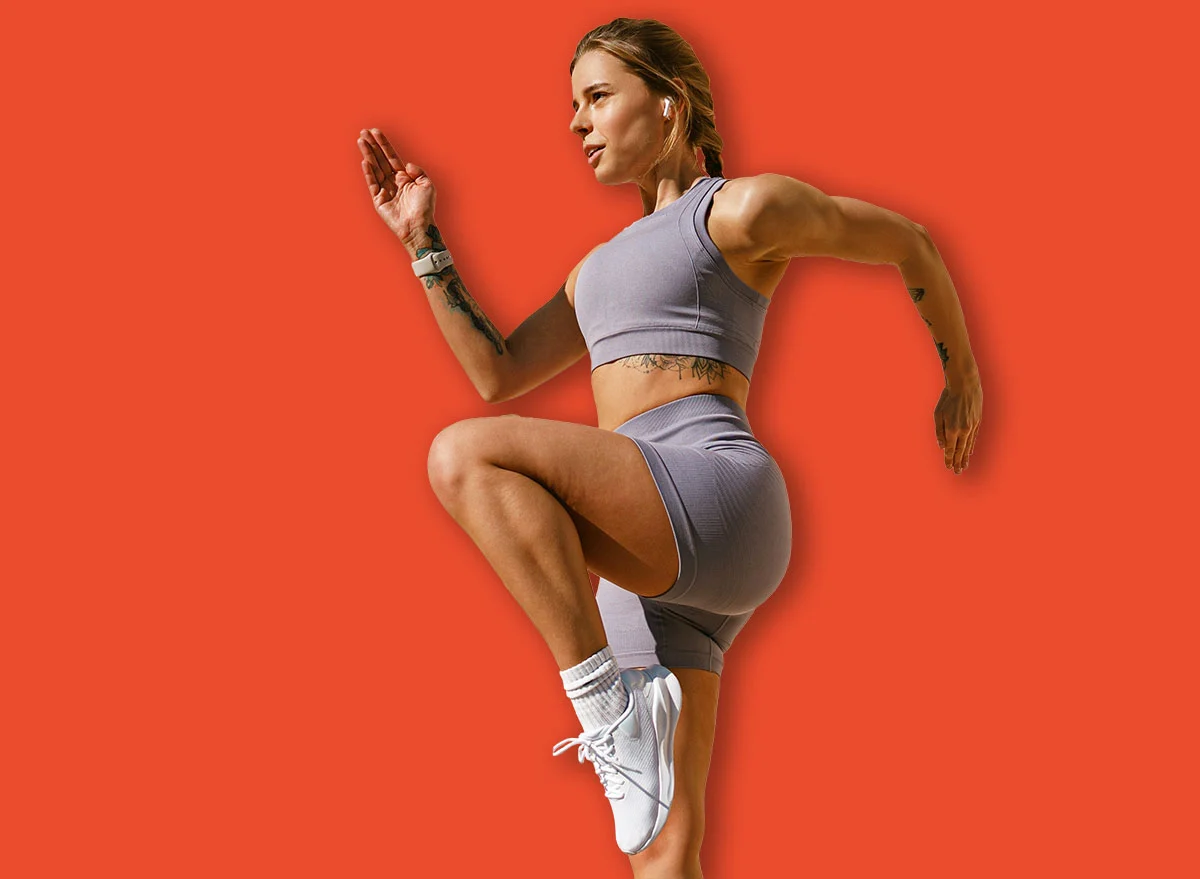
Standing knee drives are a dynamic, low-impact way to elevate the heart rate while forcing the abdominal wall to contract to stabilize the body.
- The Mechanism: As you lift one knee, your core must engage to keep your torso upright and prevent you from swaying.
- How to perform: Stand tall with your feet hip-width apart. Engage your core, then lift your right knee toward your chest. Lower it with control and repeat on the left side. To increase intensity, drive the knee up rhythmically, moving at a pace that keeps your heart rate elevated. Perform 3 sets of 20 repetitions.
2. Standing Wood Chops
The obliques are responsible for the rotation of the trunk. Strengthening these muscles helps "cinch" the waistline and protects the spine during twisting motions.
- The Mechanism: This movement mimics the motion of chopping wood, forcing the body to resist and control rotational forces, which engages the entire abdominal complex.
- How to perform: Stand with feet slightly wider than shoulder-width. Clasp your hands together or hold a light weight. Reach your arms up toward the right side of the ceiling, then "chop" down diagonally across your body toward your left hip, pivoting your right foot as you twist. Perform 15 reps on each side.
3. Side Leg Raises
Often overlooked, the hip stabilizers are essential for pelvic alignment. When the pelvis is misaligned, the stomach can appear more prominent due to an exaggerated arch in the lower back.
- The Mechanism: By strengthening the abductors (outer hips), you improve pelvic stability, which helps pull the abdominal wall taut and improves overall posture.
- How to perform: Hold onto a sturdy chair or wall for balance. Stand tall, engage your core, and lift your right leg out to the side. Keep your toes pointing forward, not toward the ceiling. Hold for one second at the top, then slowly lower. Perform 12-15 reps per leg.
4. Standing Marches with Arm Swings
This movement is the ultimate "functional cardio." It challenges balance, increases metabolic demand, and forces the core to remain tight to support the shifting weight of the limbs.
- The Mechanism: By coordinating opposite arm and leg movements, you improve neuromuscular coordination while keeping the heart rate in the "fat-burning zone."
- How to perform: Stand tall and march in place. As you lift your left knee, swing your right arm forward, and vice-versa. Focus on maintaining a steady, rhythmic pace. For added intensity, lift your knees higher and swing your arms with more vigor. March for 2–3 minutes at a time to maximize the calorie burn.
Supporting Data and Physiological Implications
The transition to these exercises is backed by a shift in how we view the "core." The core is not merely the "six-pack" muscle (rectus abdominis); it is a complex cylinder of muscles including the transverse abdominis, the internal and external obliques, and the multifidus.
According to sports physiologists, standing exercises utilize the kinetic chain—a concept that suggests our muscles work in concert to produce movement. When you stand and march, your brain must recruit the core to stabilize the spine, the glutes to support the legs, and the shoulders to maintain posture. This high level of neurological and muscular engagement leads to higher caloric expenditure than lying on a gym floor. Furthermore, improved posture—a direct result of these exercises—can make an immediate, visual difference in how a midsection appears, effectively "lengthening" the torso.
Official Responses and Expert Consensus
Certified trainers and physical therapists increasingly agree that for individuals over 55, the risk-to-reward ratio of traditional crunches is unfavorable. "The repetitive spinal flexion required for crunches can exacerbate existing disc issues," notes James Brady. "By moving the core training to a standing position, we achieve the same—if not better—muscle activation while maintaining a neutral spine, which is crucial for long-term health."
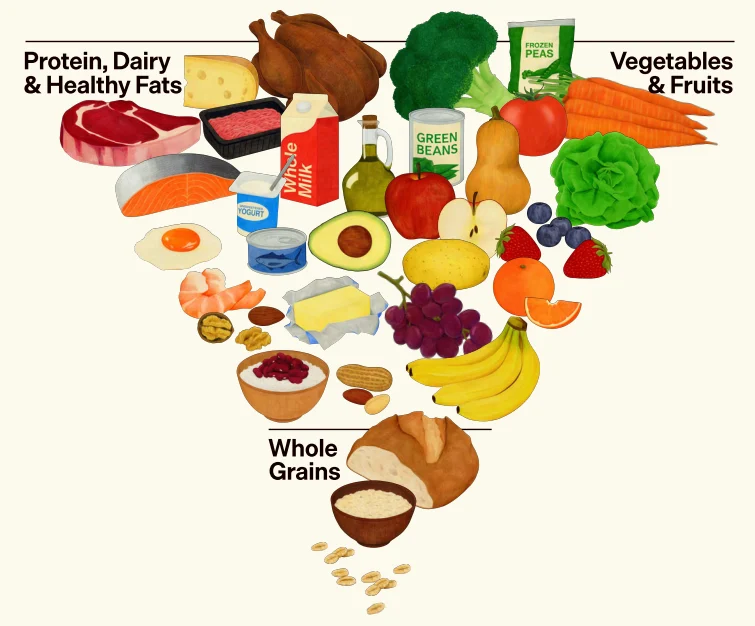
The medical community also emphasizes that while these exercises are powerful tools, they should be integrated into a broader strategy. "Exercise is only half the equation," says clinical nutritionist Adam Meyer. "To see results in the midsection after 55, these standing movements must be paired with adequate protein intake and a consistent caloric deficit."
Final Implications: Consistency Over Intensity
The journey to a stronger, more defined midsection after 55 is not about the "perfect" exercise; it is about the sustainability of your movement. By choosing exercises that improve your balance, increase your daily calorie burn, and protect your spine, you are investing in a body that functions as well as it looks.
If you are beginning this routine, start slow. Perform these four moves as a circuit, three to four times per week. As your strength improves, focus on increasing the range of motion rather than the speed of the movement. Remember, the goal is to create a core that is strong enough to support your posture and active enough to fuel your metabolism. By ditching the floor and standing tall, you are finally giving your body the stimulus it needs to change.