The landscape of oncology is currently navigating a high-stakes transition: the shift from reactive, symptomatic diagnosis to proactive, population-scale screening. At the heart of this transformation is Grail’s Galleri test, a multi-cancer early detection (MCED) tool that uses liquid biopsy technology to identify DNA shed by cancer cells into the bloodstream.
As the American Society of Clinical Oncology (ASCO) convened for its annual meeting this past weekend, all eyes were on the long-awaited final results of the NHS-Galleri trial. While Grail executives framed the data as a "historic" step forward in shifting the stage at which cancers are diagnosed, the broader medical community—represented by ASCO leadership—remains cautious. Despite the test’s promise, the failure of the trial to meet its primary clinical endpoint has left the path toward FDA approval and standardized clinical adoption complex and uncertain.
The Core Conflict: Statistical Failure vs. Clinical Signal
The primary goal of the NHS-Galleri trial was ambitious: to demonstrate a statistically significant reduction in the diagnosis of Stage III and IV cancers among 142,250 asymptomatic participants. When the data was unveiled, the results confirmed a reality that had been anticipated since February’s preliminary release—the trial missed this primary endpoint.
For investors and industry observers, this was a moment of significant tension. When the initial "first look" at the data surfaced earlier this year, Grail’s stock value plummeted by nearly 50%, reflecting the market’s anxiety regarding the company’s regulatory trajectory. However, the full data presentation at ASCO provided a more nuanced picture that Grail executives are eager to champion.
The company pointed to a secondary analysis showing a 20% reduction in Stage IV diagnoses specifically within a pre-specified group of 12 cancer types. Furthermore, they highlighted a 16% increase in the detection of cancers at Stages I and II. To Grail, these figures represent a tangible "stage shift"—a phenomenon where patients are identified early enough for curative treatment rather than palliative care.
A Chronology of the NHS-Galleri Journey
The path to these results has been defined by massive logistical efforts and high-stakes scientific scrutiny:
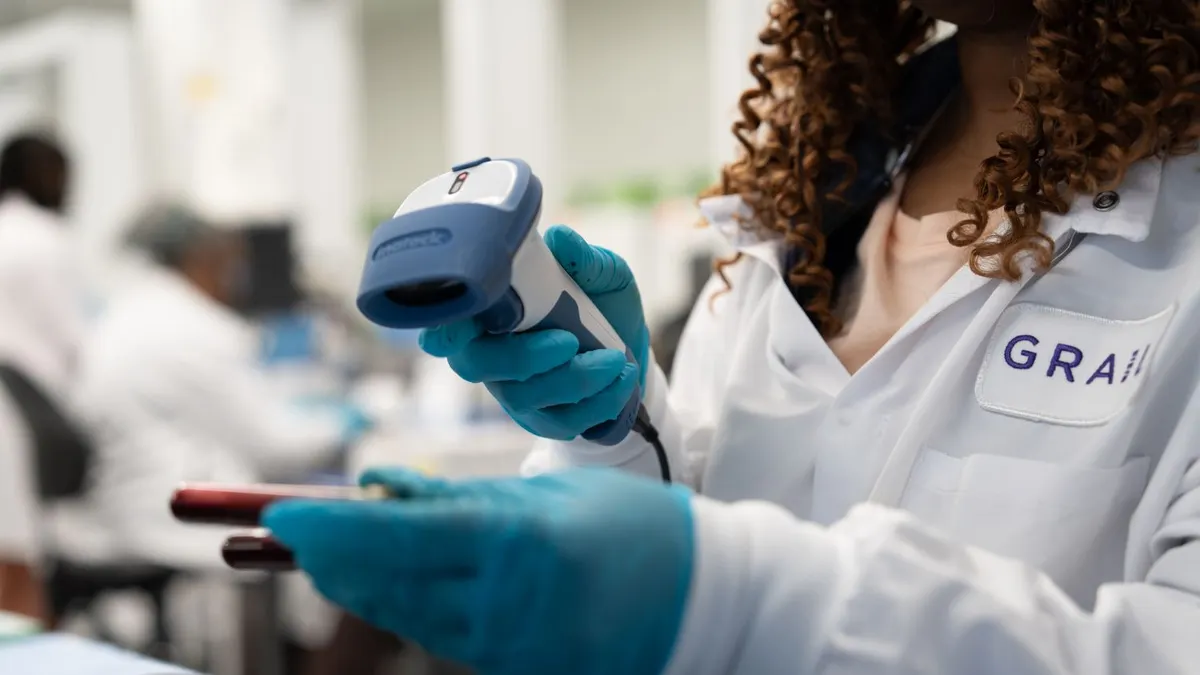
- The Inception: The NHS-Galleri trial was launched in collaboration with the United Kingdom’s National Health Service, aiming to determine if a simple blood draw could revolutionize cancer screening across an entire population.
- The February 2026 Disclosure: Grail released a preliminary summary of the trial findings, which failed to show the anticipated reduction in late-stage cancer rates. The subsequent market reaction signaled deep skepticism from the financial sector.
- The FDA Submission: Undeterred by the February findings, Grail officially filed its Premarket Approval (PMA) application with the U.S. Food and Drug Administration later that month.
- The ASCO Presentation (Present Day): The full, peer-reviewed data from the NHS-Galleri trial and the supplemental PATHFINDER 2 study were formally presented to the global oncology community, setting the stage for regulatory deliberation.
Supporting Data: PATHFINDER 2 and Beyond
While the NHS-Galleri trial remains the primary focus, Grail has bolstered its argument with the PATHFINDER 2 study. This trial, also presented at the ASCO meeting, involved over 35,000 participants and offered a clearer look at the test’s operational performance.
The PATHFINDER 2 data revealed that 60% of all diagnosed cancers in the study cohort were successfully detected by the Galleri test. For a tool designed to operate as a screening adjunct—not a replacement—for standard diagnostic procedures, proponents argue that this level of sensitivity in an asymptomatic population is unprecedented.
Joshua Ofman, the CEO-elect of Grail, emphasized that the company’s submission to the FDA constitutes a comprehensive package, incorporating both the first year of the NHS-Galleri study and the entirety of the PATHFINDER 2 results. "The NHS-Galleri study is the first time any MCED has demonstrated the ability to generate a stage shift in how cancers are detected," Ofman noted during a call with analysts. He maintained that the company stands firmly behind its current materials and sees no need for revisions ahead of the FDA’s review, characterizing the findings as a fundamental shift in population health management.
Official Responses: The ASCO Perspective
The reaction from the medical establishment, particularly the American Society of Clinical Oncology (ASCO), serves as a crucial barometer for the test’s future. ASCO’s position is one of "cautious optimism." While they acknowledge the potential for the Galleri test to disrupt the current status quo of oncology, they emphasize that "more evidence is needed" before the test can be formally integrated into international screening guidelines.
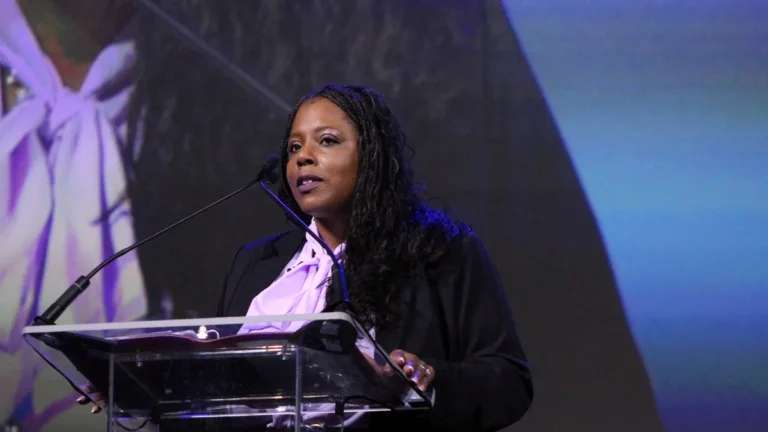
Julie Gralow, Chief Medical Officer at ASCO, provided a measured assessment: "While the Galleri-NHS study results show some encouraging trends toward tumor downstaging, it is important to recognize that the trial did not statistically reduce late-stage cancers by its predefined primary endpoint."
However, Gralow was quick to acknowledge the human element of the data. "Nevertheless, these findings still offer genuine hope for deadly malignancies that currently lack screening options, such as ovarian and pancreatic cancer." This sentiment highlights the primary value proposition of the Galleri test: it is not necessarily intended to replace mammograms or colonoscopies, but to provide a diagnostic window into cancers that have historically been "silent" until they reach terminal stages.

Implications for Regulatory and Clinical Adoption
The road ahead for Grail is paved with regulatory milestones that will dictate the future of liquid biopsy in routine healthcare. Analysts are currently focused on two primary levers: FDA approval and the subsequent decision from the Centers for Medicare and Medicaid Services (CMS) regarding national coverage.
Kyle Mikson, an analyst at Canaccord Genuity, suggests that the complexity of the data—specifically the "novel nature of the test"—will likely necessitate an FDA advisory committee meeting. Such meetings are standard for groundbreaking medical technologies, providing a forum for independent experts to dissect the data, address the failure to meet the primary endpoint, and weigh the risks of false positives against the benefits of early detection.
Dan Brennan, an analyst at TD Cowen, projects a timeline that stretches into 2027. An advisory panel could potentially be convened in the fall of 2026, with an FDA decision arriving shortly thereafter. Should the FDA grant approval, the battle then shifts to the CMS. A national coverage determination would likely follow 9 to 12 months after regulatory clearance, marking the moment when Galleri could move from a niche, private-pay laboratory-developed test to a widely accessible tool for millions of Americans.
The Weighing of Risks
The debate surrounding Galleri is not merely about whether the test "works," but whether it is ready for the rigors of public health implementation. Critics worry about the psychological and financial toll of "false positives"—cases where the test indicates cancer, but subsequent diagnostic imaging reveals a healthy patient. Proponents argue that in the context of lethal, late-stage cancers, the benefits of early intervention far outweigh these risks.
Ultimately, the ASCO meeting has served to frame the next year as a critical period of "wait and see." Grail is betting that the clinical signal of a stage shift is enough to convince regulators that the Galleri test is a net positive for society. The medical community, meanwhile, is waiting to see if the statistical "miss" in the NHS-Galleri trial can be adequately explained away by the emerging data in smaller, more targeted studies like PATHFINDER 2.
As it stands, the Galleri test remains a testament to the rapid advancement of biotechnology. Whether it becomes a cornerstone of 21st-century medicine or serves as a cautionary tale in the complexity of screening technology, its impact on the conversation around early detection is already permanent. The coming months of FDA deliberation will be the final arbiter of its immediate future.