











In a landmark development for the treatment of rare autoimmune disorders, the investigational monoclonal antibody obexelimab has demonstrated superior efficacy compared to placebo in the phase III INDIGO trial for IgG4-related disease (IgG4-RD). The findings, published in the New England Journal of Medicine, suggest that the medical community may be shifting away from the indiscriminate depletion of B cells toward a more nuanced, inhibitory approach to managing this chronic, systemic condition.
With the trial results positioning obexelimab as a formidable challenger to the recently approved inebilizumab, the landscape for IgG4-RD management is undergoing a significant transformation. As Zenas BioPharma, the developer of obexelimab, moves toward regulatory submission, clinicians are beginning to view the therapy not just as an alternative, but as a potential standard-bearer for long-term remission.
The Clinical Challenge: Understanding IgG4-Related Disease
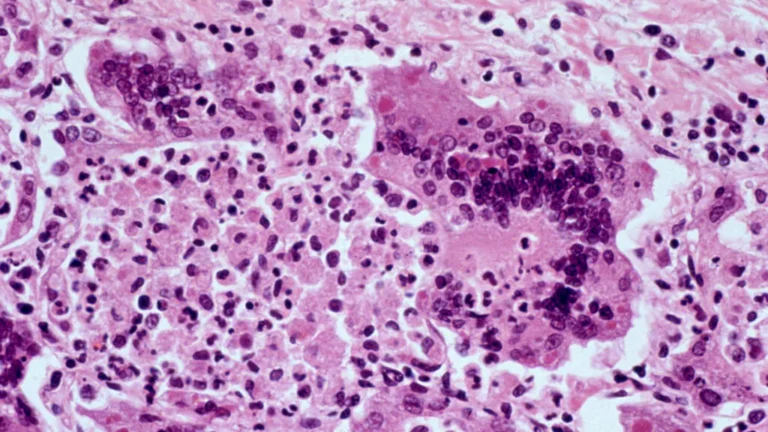
IgG4-related disease is a complex, fibro-inflammatory condition characterized by the formation of tumor-like masses and fibrosis in multiple organs, including the salivary glands, lacrimal glands, pancreas, and aorta. Because the disease is systemic and often progresses silently until significant tissue damage occurs, it represents a lifelong management challenge.
Historically, the standard of care has been corticosteroids. While effective at inducing initial remission, chronic steroid use is plagued by severe side effects—including bone density loss, metabolic disturbances, and psychological impact—making them unsustainable for long-term therapy. In the absence of specialized treatments, clinicians have frequently resorted to off-label use of B-cell-depleting agents like rituximab. However, because rituximab was not designed specifically for IgG4-RD, its efficacy has remained clinically inconsistent.
The recent FDA approval of inebilizumab in April 2025 marked the first targeted milestone for the disease. By binding to the CD19 antigen, inebilizumab offers a more precise method of B-cell depletion than the CD20-targeting rituximab. Yet, the INDIGO trial results suggest that even more targeted approaches are on the horizon.
Chronology of the INDIGO Trial
The journey to the current data set began with the enrollment of 194 patients across a diverse geographic footprint, including significant cohorts from Asia, North America, and Europe. The INDIGO trial design was rigorous, utilizing a randomized, double-blind, placebo-controlled structure.
- Trial Initiation: The study focused on patients with a mean disease duration of 2.8 years. A striking demographic note was that two-thirds of participants were male, a departure from the female-predominant trends seen in many other autoimmune conditions.
- Methodology: Patients were administered weekly injections of either obexelimab or a placebo. A critical component of the trial design was the aggressive tapering of corticosteroids, which were reduced to zero by week eight, with the option for "rescue" steroids only in the event of a disease flare.
- The One-Year Milestone: Over the 52-week period, the primary endpoint—the time to the first disease flare—was systematically tracked. The trial data, presented by lead investigator Dr. John Stone of Mass General Brigham, confirmed that patients receiving obexelimab experienced flares at roughly half the rate of those in the placebo group.
Supporting Data: Efficacy and Safety Profiles
The statistical evidence supporting obexelimab is robust. The hazard ratio for the time to first flare was 0.44 (95% CI 0.28-0.71), indicating a statistically significant reduction in disease activity.
Key Quantitative Findings:
- Flare Reduction: 27% of patients in the obexelimab group experienced flares, compared to 55% in the placebo group.
- Complete Remission: 37.1% of the treatment group achieved complete remission, nearly double the 19.6% observed in the placebo arm.
- Steroid Sparing: The mean aggregate steroid dose for the treatment group was 330 mg, compared to 930 mg in the control group. This reduction suggests that not only were flares less frequent with obexelimab, but they were also less severe.
- Biomarker Response: Serum IgG4 levels and B-cell counts decreased under treatment, yet—crucially—the B cells were not wiped out entirely. They remained within the normal reference range, a finding that supports the theory of selective modulation rather than total depletion.
While adverse events such as arthralgia (joint pain) and diarrhea were more common in the obexelimab group, the rate of serious adverse events was actually lower in the treatment arm (10.3%) than in the placebo arm (18.6%), largely because the drug successfully prevented the clinical crises that would have otherwise required urgent medical intervention.
Official Perspectives: The Paradigm Shift
The scientific community has reacted with cautious optimism. In an editorial accompanying the study, Dr. Thomas Dörner of Charité Universitätsmedizin Berlin highlighted the conceptual leap represented by obexelimab.
"Depletion is no longer the only credible B-cell therapeutic paradigm," Dr. Dörner wrote. He emphasized that the drug’s mechanism of action—targeting both the CD19 antigen and the FcγRIIB inhibitory receptor—effectively "silences" pathogenic B-cell function. By mimicking the body’s natural mechanisms for inhibiting immune overactivation, obexelimab prevents the erratic, inflammatory behavior of B cells without the collateral damage associated with complete lineage destruction.
Dr. John Stone, who has been instrumental in the development of both inebilizumab and now obexelimab, noted that the success of this trial validates the hypothesis that controlling B-cell function is the "holy grail" for managing IgG4-RD. By preventing the production of autoantibodies without depleting the entire B-cell population, clinicians can maintain the patient’s immune system integrity against common infections.
Implications for the Future of Autoimmunity
The success of the INDIGO trial carries profound implications that extend beyond IgG4-related disease.
1. Regulatory Trajectory
With Zenas BioPharma having officially submitted a marketing application to the FDA, the medical community is bracing for a potentially expedited review. If approved, obexelimab will compete directly with inebilizumab. However, experts suggest that the "bifunctional" nature of obexelimab may offer a distinct clinical advantage for patients who do not respond adequately to traditional depletion therapies.
2. Broadening the Scope
The potential for this mechanism is not limited to IgG4-RD. Zenas BioPharma is currently moving forward with phase II trials for lupus, another condition driven by B-cell dysfunction. If the inhibitory receptor-targeting strategy proves as effective in lupus as it has in IgG4-RD, it could signal the beginning of a new generation of "precision" biologics.
3. Impact on Patient Quality of Life
For patients living with IgG4-RD, the prospect of a treatment that reduces dependence on steroids is life-changing. Chronic steroid use is one of the most feared aspects of the disease, associated with long-term morbidity. By effectively managing flares and allowing for the near-elimination of steroids, obexelimab promises to return a sense of normalcy to patients who previously faced a cycle of recurring, unpredictable health crises.
4. A New Therapeutic Standard
The shift from "depletion" to "modulation" is the most important takeaway for rheumatology and immunology. As Dr. Dörner noted, the trial provides proof that we can control autoimmune pathways without resorting to the "scorched earth" tactics of earlier biologics. This, combined with the safety profile observed in the INDIGO trial, positions obexelimab as a potential cornerstone of therapy for systemic autoimmune diseases in the coming decade.
As the EULAR annual meeting convenes, the data from the INDIGO trial will undoubtedly be the subject of intense discussion. While long-term, real-world data will be necessary to confirm these findings, the current results represent a rare and exciting victory in the treatment of rare, complex autoimmune diseases. The era of precision B-cell modulation has arrived, and it may well change how we approach immune-mediated pathology forever.