Decades after the tragic deaths of their children in the mid-1960s, the families of Ross Otto Hambrick and Victor Marcellus King have launched a landmark legal challenge against the federal government. The lawsuit, filed on May 22, alleges that the National Institutes of Health (NIH) conducted experimental respiratory syncytial virus (RSV) vaccine trials on infants without parental knowledge or informed consent—trials that resulted in fatal outcomes.
The litigation brings to light a dark chapter in American medical research, asserting that the very tissues taken from these children during autopsies became the cornerstone for the development of modern RSV vaccines, which are now administered globally.
The Core Allegations: Wrongful Death and Civil Battery
The lawsuit, as detailed in recent reporting by The New York Times, centers on the administration of a substance known as "Lot 100." Between 1965 and 1966, at least 31 children were enrolled in an experimental study at the NIH. Among these were Hambrick and King, who were administered three doses of the vaccine candidate.
The plaintiffs argue that the federal government committed wrongful death, failed to obtain informed consent, and engaged in civil battery. They contend that the research was conducted under a veil of secrecy, with families left in the dark regarding both the experimental nature of the injections and the significant risks associated with the compound.
The families are seeking an unspecified amount of financial relief, arguing that the federal government not only caused the premature deaths of their children but also profited from the scientific data and biological samples harvested from their autopsies to secure the foundation of today’s RSV immunization programs.
Chronology: A Timeline of Medical Malfeasance
The history of the "Lot 100" trials represents a period of lax ethical oversight in clinical research. To understand the gravity of the current lawsuit, one must look at the timeline of events that led to the tragic deaths in January 1967.
1965–1966: The Experimental Phase
During these two years, the NIH spearheaded an effort to develop a vaccine against RSV, a common virus that can cause severe respiratory illness in infants. Researchers utilized "Lot 100," an experimental RSV vaccine compound. During this window, 31 children were selected as subjects. According to the court filings, parents were not adequately informed that their children were part of an experimental study, nor were they warned of the potential for an immune-enhanced response to the virus.
January 1967: The Fatal Outcome
By early 1967, the risks of the study became devastatingly clear. Both Ross Otto Hambrick and Victor Marcellus King—at just 14 and 16 months old, respectively—succumbed to complications involving RSV and bacterial pneumonia. Despite the researchers’ growing awareness of increased mortality risks among the children in the trial, the study had already reached a point of no return for these infants.
Post-Mortem Utilization
Following the deaths, the lawsuit alleges that the government took tissue samples from the boys’ autopsies. These samples, the plaintiffs claim, were instrumental in the laboratory work required to understand how to stabilize the RSV protein, a scientific breakthrough that paved the way for the current generation of FDA-approved RSV vaccines.
The Ethical Failure: Lack of Informed Consent
The heart of the legal dispute is the concept of "informed consent." In the modern era, the Nuremberg Code and subsequent federal regulations, such as the Common Rule, strictly govern human subject research. However, in the 1960s, these protections were frequently ignored or inconsistently applied in institutional settings.
Legal experts following the case point out that the absence of consent documents—or the presence of falsified or coerced consent—would constitute a severe breach of medical ethics. The families’ argument is that their children were treated as mere instruments of science rather than vulnerable human beings under the care of the state.
Supporting Data: The Legacy of "Lot 100"
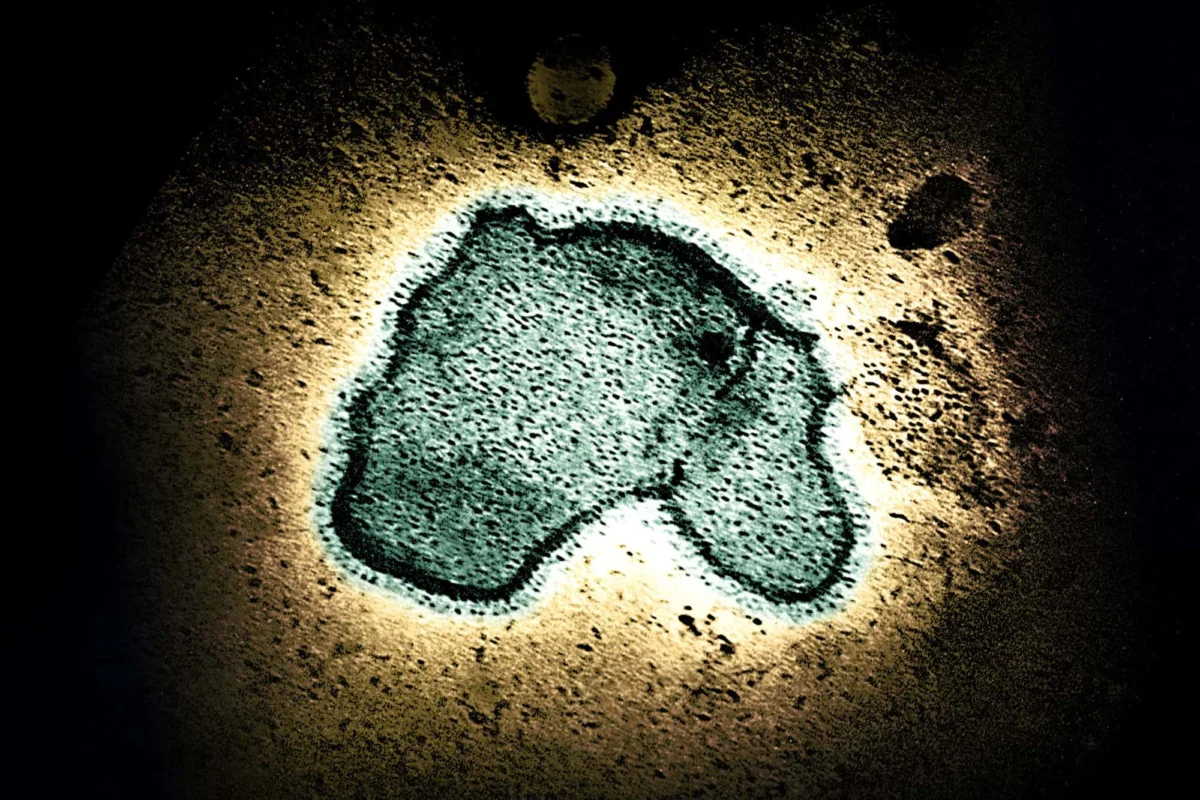
The RSV vaccine research of the 1960s is well-documented in medical literature as a "failed" trial. The vaccine candidate (formalin-inactivated RSV) actually caused a phenomenon known as Vaccine-Associated Enhanced Respiratory Disease (VAERD). When vaccinated children were subsequently exposed to the natural virus, they experienced much more severe illness than those who were unvaccinated.
The tragedy of the 1960s trials delayed the development of a safe RSV vaccine for decades. It was not until the scientific community understood the structural biology of the RSV F-protein that a safe and effective vaccine could be engineered. The plaintiffs are now challenging the morality of building that modern success on the backs of children who died because of the initial, flawed, and arguably unethical, experimentation.
Official Responses and Federal Stance
As of the current filing, the federal government has maintained a guarded stance. Typically, in cases involving the Federal Tort Claims Act (FTCA), the government often argues that the statute of limitations has expired or that the individuals involved in the research were acting within the scope of their employment according to the standards of the time.
However, the plaintiffs’ attorneys are likely to argue that the discovery of the extent to which the children’s tissues were used for modern, profitable research constitutes a "fraudulent concealment" that tolls the statute of limitations. The Department of Justice, which handles the defense for the NIH, has not yet issued a comprehensive public response to the specific claims regarding the autopsies and the long-term usage of the biological materials.
Implications for Medical Ethics and Litigation
The implications of this lawsuit are far-reaching. If the court rules in favor of the families, it could open a floodgate for other litigation regarding historical medical abuses conducted by federal institutions.
1. Precedent for Historical Wrongs
This case challenges the "statute of repose"—the idea that there is a time limit beyond which a party can no longer be held liable for past actions. If the court acknowledges that the financial benefit gained from the autopsies constitutes a continuous injury, it could redefine how the legal system addresses historical medical malpractice.
2. Oversight of Research Institutions
The case serves as a stark reminder of the importance of the Institutional Review Board (IRB) system. The absence of such oversight in the 1960s allowed for the "Lot 100" tragedy. Today, while IRBs are mandatory, critics argue that the system still faces challenges regarding transparency and the commodification of human biological samples.
3. The Rights of Subjects and Their Families
This litigation elevates the rights of the families of deceased children to seek justice for the improper use of remains. The unauthorized use of human tissue for commercial and scientific gain is an area of law that has evolved significantly, and this case may force the government to establish clearer guidelines on the ownership and use of biological samples taken during post-mortem examinations.
Conclusion
The lawsuit filed by the families of Ross Otto Hambrick and Victor Marcellus King is more than a request for financial compensation; it is a quest for historical recognition. For decades, these families have lived with the unanswered questions surrounding the deaths of their children. Now, they are forcing the federal government to account for its past, challenging the narrative of scientific progress by highlighting the human cost upon which that progress was built.
As the case moves through the court system, it will undoubtedly spark a national conversation about the ethics of clinical trials, the sanctity of informed consent, and the responsibility of the state to those who were once subject to its absolute authority. Whether or not the families achieve their legal goals, they have already succeeded in bringing a forgotten tragedy into the light, ensuring that the names of the children lost in the "Lot 100" trials are no longer relegated to the footnotes of medical history.