








Executive Summary: A Sudden Strategic Pivot
Fulcrum Therapeutics, a clinical-stage biopharmaceutical company focused on developing small-molecule therapies for genetically defined diseases, finds itself at a critical juncture. On Tuesday, the company announced the immediate discontinuation of its lead drug candidate, pociredir, following a definitive and unfavorable ruling from the U.S. Food and Drug Administration (FDA). The decision marks the end of a high-stakes effort to treat sickle cell disease (SCD) and has triggered a broad strategic review that may culminate in the sale of the company, the divestiture of its remaining assets, or a full corporate merger.
The collapse of the pociredir program has sent shockwaves through the investment community, wiping out more than half of the company’s market capitalization in a single trading session. As Fulcrum shifts its focus toward preserving its roughly $333 million in remaining cash and cash equivalents, the industry is left to grapple with the tightening regulatory environment surrounding the PRC2 inhibitor class of drugs.
Chronology of a Regulatory Impasse
The path to this week’s announcement was fraught with regulatory hurdles, signaling an increasingly cautious stance from federal health authorities regarding the safety profiles of novel hematologic therapies.
- Early 2023: The FDA placed a full clinical hold on Fulcrum’s pociredir program. The move was largely driven by systemic concerns regarding the safety profile of PRC2 (Polycomb Repressive Complex 2) inhibitors as a broader class.
- Summer 2023: Following a period of negotiation, the FDA lifted the clinical hold. Fulcrum successfully argued for a modified study protocol, which included strict eligibility criteria to mitigate risk.
- March 2024: Ipsen, the manufacturer of the PRC2 inhibitor Tazverik, faced a major blow when the drug was withdrawn from the market. Emerging data revealed an increased incidence of secondary blood cancers in patients treated with the therapy.
- Late May 2024: Fulcrum engaged in a critical meeting with the FDA to define the regulatory path forward for pociredir.
- June 2024: The company received the official record of the meeting. Despite the company’s efforts to differentiate pociredir from the failed Tazverik, the FDA maintained that no "viable regulatory path" existed, citing insurmountable safety concerns.
Supporting Data: The Mechanism and the Hazard
At the heart of the controversy is the protein complex PRC2. Pociredir was designed to inhibit this complex to boost fetal hemoglobin production—a validated strategy for alleviating the symptoms of sickle cell disease. By latching onto a specific binding site on the PRC2 protein, the drug aimed to re-activate the production of healthy hemoglobin, thereby improving red blood cell health.
The Class Effect Dilemma
The primary obstacle, according to analysts and regulators, is the "class effect." While Fulcrum’s engineers meticulously designed pociredir to bind to a different portion of the PRC2 protein than Ipsen’s Tazverik, the FDA has shown little appetite for nuance when it comes to oncogenic risk.
Joseph Schwartz, an analyst at Leerink Partners, noted that the FDA appears to have adopted a "hard line" regarding the risk-benefit profile of all PRC2 inhibitors. This stance suggests that the agency is prioritizing the prevention of secondary malignancies over the potential therapeutic benefits of the drug class, regardless of whether a specific drug has demonstrated those exact risks in clinical trials.
Ironically, the early-stage study for pociredir had shown genuine promise. Patients saw a meaningful boost in fetal hemoglobin levels, and the trial did not report any new clinical safety signals during its active phase. However, the shadow cast by the Tazverik data proved too long for the company to escape.
Official Responses and Corporate Strategy
The CEO’s Stance
CEO Alex Sapir delivered the news with a mixture of professional pragmatism and regret. In a statement released Tuesday, Sapir described the termination of the pociredir program as a "very difficult decision."
"We are committed to maximizing value for our shareholders," Sapir noted. By initiating a "strategic review," the company has signaled that it is no longer wedded to its current operating structure. The company has begun "significantly reducing" its operating expenses to ensure that its substantial capital reserve—over $330 million as of the end of Q1—remains intact for potential acquirers or to fund future pivots.
Analyst Perspectives
The reaction from Wall Street has been stark. Joseph Schwartz of Leerink Partners downgraded the stock to "Market Perform," stating that with "limited visibility into future value creation beyond strategic alternatives," his firm was effectively moving to the sidelines.
In contrast, Luca Issi of RBC Capital Markets offered a more resigned take. "While it is unfortunate for the many [sickle cell] patients looking for therapeutic alternatives, we do believe that discontinuing the program is the right pragmatic decision," Issi wrote. His analysis suggests that the FDA’s message was loud and clear: fighting the agency on a perceived class-wide safety issue is a battle that few small-cap biotechs can afford to win.
Implications: A Sector in Flux
The failure of Fulcrum’s program is not an isolated event; it is part of a broader, troubling trend for the sickle cell disease therapeutic market. The last two years have been characterized by a series of high-profile disappointments, withdrawals, and program terminations.
The Landscape of Disappointment
The list of companies that have encountered significant headwinds in the sickle cell space is growing:
- Intellia, Sangamo, and Graphite Bio: All discontinued experimental programs in 2023.
- Pfizer and Agios: Both delivered disappointing clinical trial results, failing to move the needle on treatment efficacy.
- The Global Blood Therapeutics Fallout: Pfizer’s $5.4 billion acquisition of GBT—once hailed as a massive win for the sickle cell community—has turned into a cautionary tale. Pfizer was forced to withdraw Oxbryta, a key asset from that acquisition, due to safety concerns.
- Novartis: The company saw its drug Adakveo have its marketing authorization revoked by European regulators, further thinning the ranks of available treatments.
The Human Toll
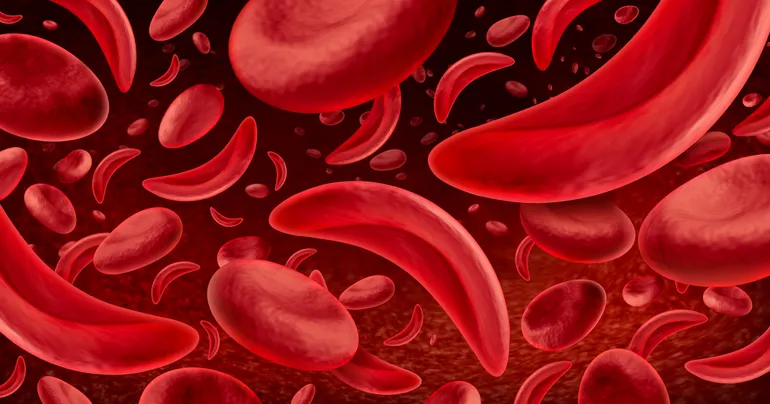
Beyond the stock tickers and boardrooms, the human cost is profound. According to the World Health Organization, nearly 8 million people live with sickle cell disease worldwide. These patients suffer from "vaso-occlusive crises," characterized by sudden, excruciating pain when misshapen red blood cells obstruct small vessels. Beyond the immediate agony, the disease causes chronic organ damage and reduces life expectancy by an average of 20 years compared to the general population.
The withdrawal of potential treatments like pociredir creates a "therapeutic vacuum." As regulators adopt a more conservative posture in response to past safety failures, the burden of proof for new companies entering the space rises exponentially. This, in turn, risks discouraging investment in one of the most underserved areas of modern medicine.
Conclusion: What Lies Ahead for Fulcrum?
For Fulcrum Therapeutics, the road ahead is uncertain. With its primary engine of value creation dismantled, the company is effectively a "cash-rich shell." The strategic review will likely focus on three possible paths:
- M&A Activity: An acquisition by a larger pharmaceutical firm looking to utilize Fulcrum’s capital and potentially salvage other, non-PRC2 assets in their pipeline.
- Asset Divestiture: Selling off remaining intellectual property to companies with a higher risk tolerance or different therapeutic focuses.
- The "Pivot" Model: Attempting to redirect the remaining capital toward a new therapeutic area, though such moves are notoriously difficult and often lead to further shareholder dilution.
As the company navigates this transition, the broader biopharmaceutical industry will be watching closely. The Fulcrum case serves as a poignant reminder that in the world of drug development, scientific innovation is only half the battle; navigating the shifting tides of regulatory scrutiny is the other, and often more dangerous, half. For now, shareholders are left waiting to see if there is any "value creation" left in a company that just lost its flagship.