










In a move designed to harmonize neurostimulation hardware with advanced digital health infrastructure, Nexalin Technology Inc. has officially closed its acquisition of PONM Inc. from GreenLight Ventures LLC. This strategic consolidation grants Nexalin full ownership of the AI-integrated software platform that serves as the backbone for its proprietary HALO Clarity program and the Nexalin NeuroCare virtual clinic. By bringing this technology in-house, the company is positioning itself to accelerate its path toward a pivotal FDA clinical trial for moderate-to-severe insomnia, slated for 2026.
The transaction, valued at $1.3 million and settled entirely in Nexalin common stock, marks a significant shift in the company’s operational model. Beyond the acquisition of assets, the deal establishes a long-term strategic partnership, ensuring that Nexalin retains access to the deep technical expertise of the GreenLight Ventures team.
Main Facts: Integrating Hardware and Software
At the heart of the acquisition is the PONM digital health platform, which provides the critical software layer for the HALO Clarity ecosystem. This platform is not merely a data-tracking tool; it is a comprehensive management suite that bridges the gap between patient, provider, and device.
The acquired assets include:
- AI-Integrated Remote Patient Monitoring: Tools designed to track patient adherence and treatment progress in real-time.
- Treatment-Compliance Data Capture: Sophisticated logging systems that ensure clinicians have an accurate, auditable record of treatment sessions.
- Electronic Health Record (EHR) Functionality: Seamless integration with existing medical records systems to streamline clinical workflows.
- Virtual-Clinic Management: The infrastructure required to scale the Nexalin NeuroCare platform, allowing for remote oversight and prescribing.
- Real-time Clinical-Data Analysis: Advanced algorithms that assist in the interpretation of neurostimulation outcomes.
By securing exclusive rights to these proprietary software features, Nexalin is moving away from a reliance on third-party integrations, gaining total control over the "device-plus-software" ecosystem. This control is widely regarded as a prerequisite for the next generation of home-based, physician-supervised neurostimulation therapies.
Chronology: From Concept to Clinical Trial
The integration of the PONM platform has been a multi-year project, with its most notable deployment currently centered at the University of California, San Diego (UCSD).
The UCSD Deployment
The technology has already passed through several phases of real-world testing at UCSD. Specifically, the university has successfully utilized the platform to manage:
- Headset Usage Tracking: Monitoring how patients interact with the HALO neurostimulation hardware.
- Remote Prescribing: Facilitating the physician’s ability to initiate and adjust treatments remotely.
- Clinical-Data Workflows: Supporting complex military studies, where the rigors of data integrity and patient safety are paramount.
The Path to 2026
The current deployment at UCSD serves as a "proving ground" for the upcoming 160-participant FDA pivotal trial. The phases of development—initially focused on military-grade clinical workflows—are now being pivoted to meet the regulatory requirements for the treatment of moderate-to-severe insomnia. Enrollment for this pivotal trial is projected to commence in the second quarter of 2026, a milestone that the leadership team believes is now significantly more achievable given the total control over the underlying digital infrastructure.
Supporting Data: Why the Ecosystem Matters
The decision to acquire PONM is rooted in the belief that hardware innovation is no longer sufficient to disrupt the medical device market. In the context of insomnia, where patient compliance and longitudinal data are vital to proving efficacy, the "human-in-the-loop" model is essential.
According to industry analysts, the success of non-invasive neurostimulation depends on three pillars: the device, the data, and the delivery model. Nexalin’s current strategy addresses all three:
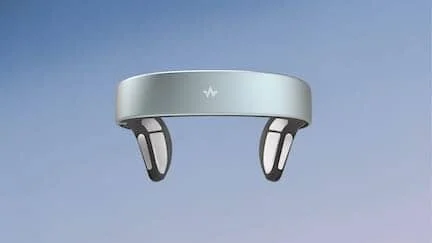
- The Device: The HALO Clarity headset, which aims to provide non-invasive treatment for insomnia.
- The Data: The PONM platform, which captures the nuance of how patients respond to electrical stimulation over time.
- The Delivery: The virtual clinic, which allows physicians to act as supervisors, scaling the therapy beyond the walls of a traditional hospital or sleep center.
By consolidating these pillars, Nexalin is mitigating the risk of fragmented care, where patients might struggle to relay their progress to their doctors, or where clinicians might lack the visibility to make informed, data-driven decisions.
Official Responses and Strategic Vision
The acquisition was met with enthusiasm from both Nexalin’s executive team and the leadership at GreenLight Ventures.
"This acquisition gives Nexalin ownership of a critical part of the HALO Clarity ecosystem: the digital platform that connects the device, the patient, the physician, and the clinical-data workflow," said Mark White, CEO of Nexalin Technology. White emphasizes that the platform is more than just a convenience; it is an "essential" component for scaling. "We believe the future of neurostimulation will be defined not only by the device itself, but by the software, data, and physician-supervised care model around it. This transaction strengthens our control over that full ecosystem and expands what we believe the company can ultimately offer to patients and providers seeking non-invasive treatment alternatives."
From the perspective of the seller, the deal represents a natural progression of the platform’s mission. Peter Gratale, founder of GreenLight Ventures, noted the alignment between the two companies. "GreenLight has spent years building digital infrastructure for next-generation healthcare technologies, and HALO Clarity is exactly the type of platform our work was designed to support," Gratale stated. He confirmed that the relationship will persist beyond the sale, with GreenLight remaining a long-term shareholder and a strategic partner providing ongoing engineering and regulatory support.
Implications for the Future of Insomnia Treatment
The broader implications of this acquisition are twofold: regulatory and commercial.
Regulatory Strategy
For the FDA, clear evidence of treatment compliance and oversight is a key factor in approving new medical technologies. By owning the software that monitors patient compliance, Nexalin can provide regulators with robust data demonstrating that the HALO Clarity device is being used as intended under professional supervision. This reduces the "black box" nature of at-home therapy and increases the likelihood of a positive regulatory outcome.
Commercial Deployment
Commercially, the shift toward a virtual-clinic model allows Nexalin to bypass many of the geographical constraints associated with traditional sleep medicine. If a patient can receive a physician-supervised, non-invasive neurostimulation treatment at home, the addressable market for the HALO Clarity program expands exponentially.
Furthermore, by integrating cybersecurity, behavioral-health, and regulatory capabilities through their continued partnership with GreenLight, Nexalin is positioning itself as a leader in "Digital Therapeutics." As the healthcare industry continues to move toward value-based care, the ability to show not just a clinical result, but a measurable improvement in patient outcomes via longitudinal digital data, will be the company’s strongest competitive advantage.
Looking Ahead
As Nexalin prepares for its 2026 pivotal trial, the focus will now shift to optimizing the user interface and refining the AI algorithms that interpret patient data. With the PONM acquisition, the company has effectively "de-risked" the technological component of its clinical trial.
In a sector often characterized by hardware-centric business models, Nexalin’s pivot toward a software-enabled service model—backed by ownership of its digital infrastructure—represents a sophisticated evolution. For the millions of patients suffering from moderate-to-severe insomnia, this infrastructure could be the difference between a novel medical device and a reliable, accessible, and scalable treatment standard.