Main Facts: A Dual-Action Breakthrough
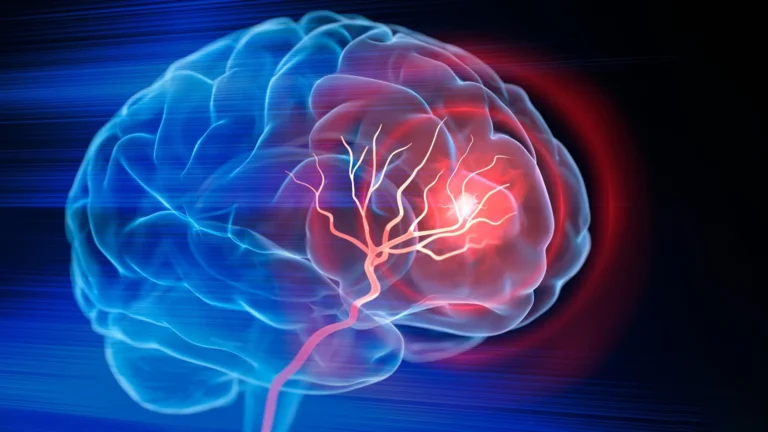
In a significant development for metabolic and cardiovascular medicine, an international research consortium has unveiled findings suggesting that an experimental therapeutic agent, known as IC7Fc, may provide a robust defense against heart disease. Traditionally investigated for its potential to treat type 2 diabetes, the drug has now demonstrated a unique capacity to lower cholesterol levels and mitigate systemic inflammation—two primary drivers of cardiovascular morbidity.
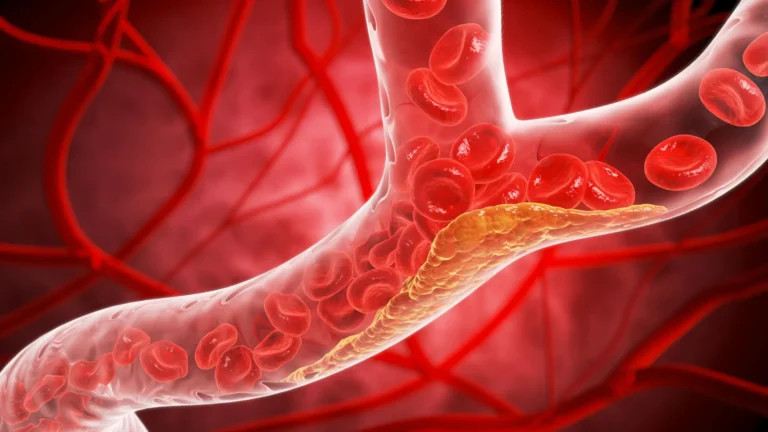
The study, published in the peer-reviewed journal Science Advances, represents a collaborative effort between the Leiden University Medical Centre in the Netherlands and the Monash Institute of Pharmaceutical Sciences (MIPS) in Australia. By targeting the underlying mechanisms of atherosclerosis—the hardening and narrowing of arteries due to plaque buildup—the drug offers a potential paradigm shift in how clinicians approach patients at risk for myocardial infarction (heart attack) and stroke.
The core discovery centers on the drug’s ability to intervene in lipid metabolism. In preclinical trials involving mice predisposed to cardiovascular disease, the administration of IC7Fc resulted in a marked reduction in circulating triglycerides and low-density lipoprotein (LDL) cholesterol. Crucially, this occurred independently of weight loss, suggesting that the drug’s cardioprotective effects may be accessible to a broad patient demographic, not merely those struggling with obesity.
Chronology: The Evolution of IC7Fc
The journey of IC7Fc from a laboratory candidate to a potential therapeutic for heart disease is a testament to the cumulative nature of biomedical research.
The Foundation: Metabolic Origins
The development of IC7Fc began with a focus on metabolic homeostasis. Earlier research led by Professor Mark Febbraio and his team at Monash University identified the molecule as a potent tool for addressing type 2 diabetes. The initial premise was that by modulating specific signaling pathways—specifically the IL-6 trans-signaling pathway—the drug could improve insulin sensitivity and glucose tolerance.
The Obesity Connection
In subsequent preclinical investigations, researchers observed that IC7Fc exerted a significant influence on energy expenditure. In obese mice, the drug consistently reduced body weight and suppressed appetite, positioning it as a prospective treatment for metabolic syndrome. These findings established the drug as a metabolic regulator, but the researchers hypothesized that its benefits might extend further.
The Cardiovascular Pivot
The most recent phase of research, which culminated in the Science Advances publication, shifted the focus toward cardiovascular health. Recognizing that metabolic disease and atherosclerosis share common inflammatory and lipid-based origins, the team transitioned to lean, genetically predisposed mouse models. By isolating the cardiovascular effects from the weight-loss effects, the researchers demonstrated that IC7Fc possesses a distinct, dual-action mechanism. This evolution marks the current stage of the drug’s lifecycle: a versatile candidate moving toward the critical hurdle of human clinical trials.
Supporting Data: Mechanisms of Action
The efficacy of IC7Fc is rooted in its ability to manipulate the body’s inflammatory and lipid-processing pathways. Atherosclerosis is not merely a "clogging" of pipes; it is a complex, chronic inflammatory condition where fatty deposits (plaques) accumulate within the arterial walls.
Managing Lipid Profiles
Data from the study indicate that IC7Fc significantly lowers serum triglycerides. Elevated triglycerides are a known risk factor for cardiovascular disease, often associated with a higher likelihood of plaque rupture. By normalizing these levels, IC7Fc creates a less favorable environment for the formation of atherosclerotic lesions.
The Anti-Inflammatory Effect
Beyond lipids, inflammation is the "hidden" driver of heart disease. The drug was shown to dampen the inflammatory markers that attract immune cells to the arterial wall. In the study, researchers noted a reduction in the size and composition of fatty plaques. By "stabilizing" these plaques, the drug reduces the risk of the plaque rupturing, which is the event that typically triggers a heart attack or stroke.
The Weight-Neutrality Factor
One of the most compelling aspects of the data is the separation of cardiovascular benefits from weight loss. In the lean mouse models, IC7Fc had no impact on body mass or caloric intake. This is a vital distinction, as it implies that the drug’s protective effect against arterial disease is not merely a byproduct of losing weight. For patients who are at high risk for heart disease but who are already at a healthy weight, this finding suggests that IC7Fc could serve as a standalone preventative treatment.
Official Responses: Insights from the Lead Investigators
Professor Mark Febbraio, a lead figure in the development of IC7Fc at MIPS, has been instrumental in articulating the clinical potential of these findings.
"Our earlier studies showed IC7Fc could help manage type 2 diabetes, a metabolic disease," Professor Febbraio noted. "This new research shows it can also reduce atherosclerosis, meaning it slows the ‘clogging’ of the arteries, where fatty deposits build up and restrict blood flow to the heart."
Professor Febbraio is quick to point out that current medical standards, while effective, leave a significant gap in patient care. "Heart disease remains the world’s biggest killer, driven largely by atherosclerosis. Even with common treatments that lower blood pressure and cholesterol, many people are still at risk, showing there’s more work to do."
The sentiment from the research team is one of cautious optimism. The dual-action nature of the drug—targeting metabolic health in some and pure cardiovascular protection in others—represents a highly efficient, targeted approach to chronic disease management. The collaboration with Leiden University Medical Centre underscores the global interest in this molecule, as researchers look toward the next stages of validation.
Implications for Future Medical Practice
The implications of the IC7Fc study are profound for both the pharmaceutical industry and clinical practice.
A New Class of Therapy
If human trials mirror the success of these preclinical studies, IC7Fc could herald a new class of "metabolic-cardiovascular" hybrids. Currently, patients often take a cocktail of medications: statins for cholesterol, ACE inhibitors for blood pressure, and metformin for glucose control. An agent capable of addressing both inflammation and lipid metabolism could simplify treatment regimens and improve patient compliance.
Addressing the "Residual Risk"
Even with the widespread use of statins, many patients still experience cardiovascular events. This is known as "residual risk." The ability of IC7Fc to target inflammation and plaque composition—factors that statins do not address as directly—could be the key to treating the millions of people who remain at risk despite having "normal" cholesterol levels.
The Path to Clinical Trials
Despite the promising results, the researchers are careful to emphasize that the leap from mouse models to human application is significant. The next steps for the consortium include rigorous safety and efficacy testing in human cohorts. Questions regarding dosage, long-term side effects, and potential interactions with existing medications will need to be addressed in upcoming Phase I and Phase II trials.
A Personalized Approach
The study also highlights the potential for personalized medicine. Because IC7Fc appears to function differently in obese versus lean subjects, clinicians might one day be able to tailor its use based on the specific metabolic profile of the patient. For an obese patient, the drug could serve as both a weight-management tool and a heart-health stabilizer. For a lean patient, it could act as a precise anti-atherosclerotic agent.
Conclusion
The findings regarding IC7Fc represent a bridge between two of the most significant health challenges of the 21st century: metabolic disease and cardiovascular failure. By demonstrating that a single molecule can exert such precise control over the inflammatory and lipid processes that plague our arteries, the team led by Monash and Leiden universities has opened a promising new chapter in preventative medicine. While the road to pharmacy shelves is long and complex, the potential for IC7Fc to provide a more comprehensive defense against the world’s leading killer is a development that merits close observation by the global scientific community. As researchers move toward human trials, the hope remains that this experimental drug will eventually offer a powerful, dual-action weapon in the fight for heart health.