











By Emily Olsen, MedTech Dive
Published June 4, 2026
The landscape of personal health management has undergone a radical transformation over the past decade. Where once health tracking was the domain of clinical settings and specialized medical equipment, the modern consumer now carries sophisticated diagnostic-adjacent technology on their wrists and fingers. Yet, as new data from Rock Health reveals, this rapid integration of wearables into daily life has created a digital divide that poses significant questions about the future of equitable healthcare.
While nearly 60% of U.S. adults now report owning at least one wearable or connected health device, the benefits of this "quantified self" movement are not distributed equally. According to a comprehensive survey of 8,000 Americans, the typical user is younger, wealthier, and already in excellent health—raising concerns that the very tools capable of identifying chronic conditions are failing to reach the populations that need them most.
The Chronology of Consumer Health Tracking
The trajectory of wearable technology adoption reflects a decade of rapid innovation and shifting consumer behaviors.
- 2015: The wearable market was in its relative infancy. Only 13% of surveyed adults reported owning a wearable device. Most early adopters were fitness enthusiasts utilizing basic step trackers.
- 2018–2020: The introduction of more sophisticated sensors—capable of detecting heart rate variability and blood oxygen levels—began to shift the narrative from "fitness tracking" to "health monitoring."
- 2022: The post-pandemic surge in telehealth normalized the concept of remote data sharing. Wearables became a primary interface for patients seeking to track their own recovery or long-term wellness.
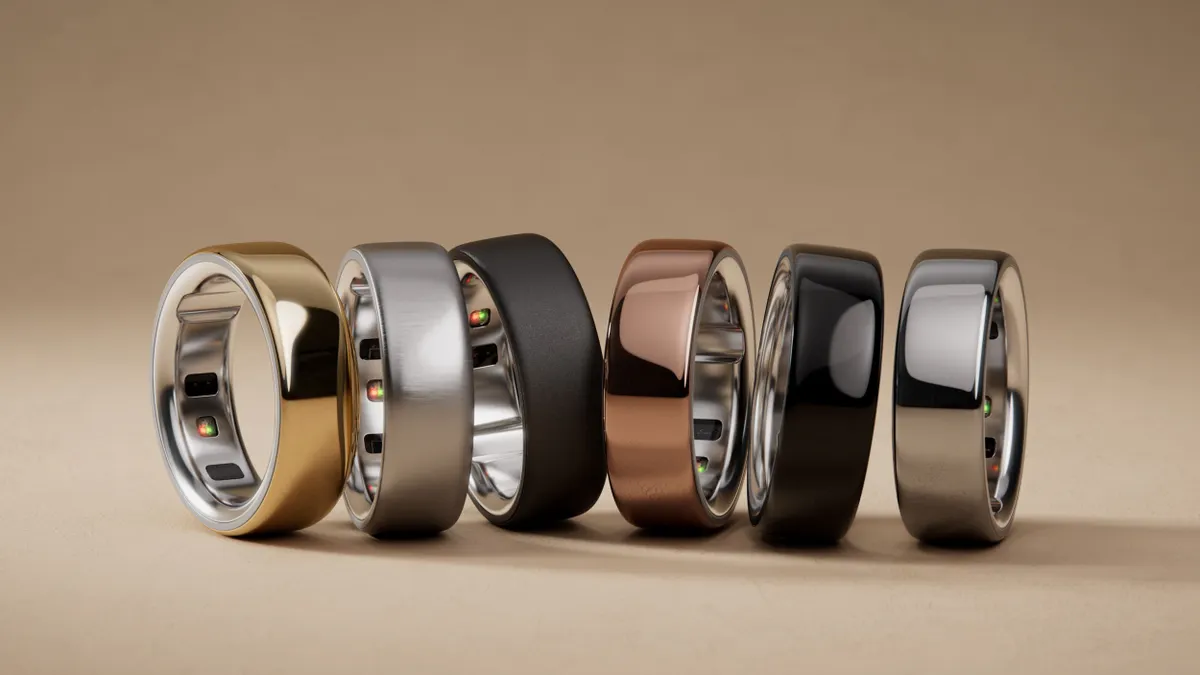
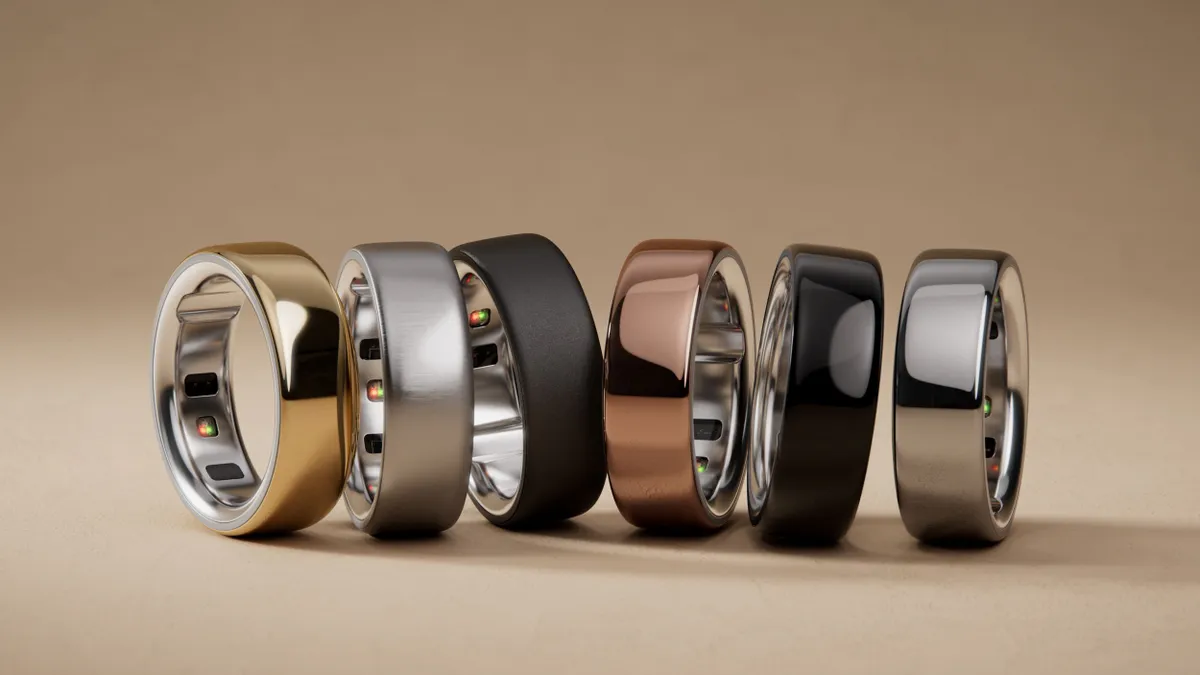
- 2024: The launch of flagship devices, such as the Oura Ring 4, signaled a move toward unobtrusive, continuous monitoring. Design-forward technology began to lower the barrier to entry for casual users.
- 2026: Adoption rates hit an all-time high of 46% for smartwatches and rings, with the ecosystem expanding to include advanced glucose and blood pressure monitoring, often falling outside traditional regulatory frameworks.
Supporting Data: Who is Wearing What?
The Rock Health study provides a granular look at the demographic disparity inherent in the current wearable boom. The data points to a clear bifurcation in the market:
The "Healthy-Wealthy" Bias
The survey indicates that 23% of wearable owners describe their health status as "excellent." Conversely, those who suffer from the most significant chronic illnesses—the populations that stand to benefit most from continuous monitoring—are the least likely to own these devices. This suggests a "wellness-to-wellness" pipeline, where technology is predominantly used by those already invested in maintaining a peak physical state rather than those managing complex pathologies.
Ownership Channels
The source of these devices highlights a disconnect between the consumer market and the clinical world:
- Self-Purchased: 54% of users bought their devices out-of-pocket.
- Provider-Issued: Only 15% obtained their device through a healthcare provider.
- Employer/Insurer-Provided: Just 12% received their technology through formal health insurance or workplace wellness programs.
This data underscores that the growth of wearable technology is currently a consumer-driven phenomenon rather than a provider-led medical strategy.

The Clinical Integration Impasse
Despite the ubiquity of devices, the bridge between consumer data and clinical practice remains largely unbuilt. While the majority of wearable owners have attempted to discuss their device data with a clinician at least once, many health systems have been hesitant to integrate this data into the Electronic Health Record (EHR).
The Liability and Reimbursement Barrier
The primary hurdle is not technological, but operational. Many hospitals have opted not to enable integrations with platforms like Apple HealthKit or Google Health due to significant liability concerns. The core question remains: If a patient’s wearable records a potential fall or an AFib alert, and the clinician fails to notice or act upon it, who is responsible?
"The liability question alone—what happens if a clinician misses a flagged fall or AFib alert?—has been enough to keep many traditional providers on the sideline," the Rock Health report notes. Without a clear standard of care for interpreting high-frequency, non-clinical data, physicians are understandably wary of opening the floodgates to thousands of data points per patient.
Regulatory Shifts and the New Frontier
The regulatory environment is currently in flux, reflecting a push by government officials to accelerate the adoption of digital health tools. The Trump administration has been vocal in its encouragement of wearable use, viewing these devices as a mechanism to empower patients and reduce the burden on the traditional healthcare system.

FDA Eases Oversight
Early in 2026, the Food and Drug Administration (FDA) released updated guidance that eased regulatory oversight for specific wellness-focused products. Under these new rules, devices measuring metrics like blood pressure or blood glucose do not require rigorous medical-grade regulation if they are marketed for "general wellness" rather than diagnostic purposes. While this encourages innovation and market entry, experts warn that it leaves consumers without the assurance of medical accuracy that they might expect when tracking vital signs.
CMS Payment Experiments
In a move to bridge the clinical gap, the Centers for Medicare and Medicaid Services (CMS) announced a payment experiment in late 2025. This initiative aims to provide reimbursement models for technology-backed care, specifically targeting chronic condition management. Partnerships with companies like Whoop and Withings are early pilots in this model, testing whether integrating these devices into Medicare plans can actually reduce long-term costs by catching health deviations early.
Implications: The Future of Digital Health
As we look toward the remainder of the decade, the implications of these trends are profound.
Toward a "Two-Tier" Health System
There is a growing risk of a "two-tier" healthcare system: one for those with the financial means and digital literacy to leverage wearables for preventative care, and one for those who remain reliant on intermittent, episodic care in traditional settings. If the healthcare system does not find a way to incorporate low-cost, high-efficacy wearable data for lower-income populations, the digital divide will only exacerbate existing health disparities.
The Need for Data Standardization
For the industry to move forward, there must be a shift from "raw data" to "actionable intelligence." Clinicians do not need more data; they need filtered, clinically validated insights. This requires a new layer of software infrastructure—often called "Digital Health Navigators" or AI-driven triage—that can sit between the consumer wearable and the EHR to flag only the most critical information for the physician.
Empowerment vs. Over-Diagnosis
Finally, there is the sociological implication of constant self-monitoring. As more people track their heart rate, sleep cycles, and glucose levels, the medical community must prepare for a surge in "worried well" patients seeking care for minor, non-clinically significant deviations identified by their devices. The healthcare system must balance the benefit of early detection with the risks of over-testing and medicalization of normal physiological variance.
In conclusion, the wearable revolution is currently a tale of two realities: a rapid, innovative consumer market and a cautious, struggling clinical infrastructure. Bridging this gap will require not just better sensors, but better policy, more robust reimbursement structures, and a new framework for clinical liability. Only then will the "quantified self" truly become a tool for public health rather than a luxury for the privileged few.